Slipstone powder, a widely used industrial mineral, requires efficient and reliable conveying methods to ensure smooth production processes. The choice of conveying system significantly impacts operational efficiency, safety, and product quality. This article explores various slipstone powder conveying methods, with a focus on the advantages and features of pneumatic conveying, a modern solution that has revolutionized material handling in many industries.
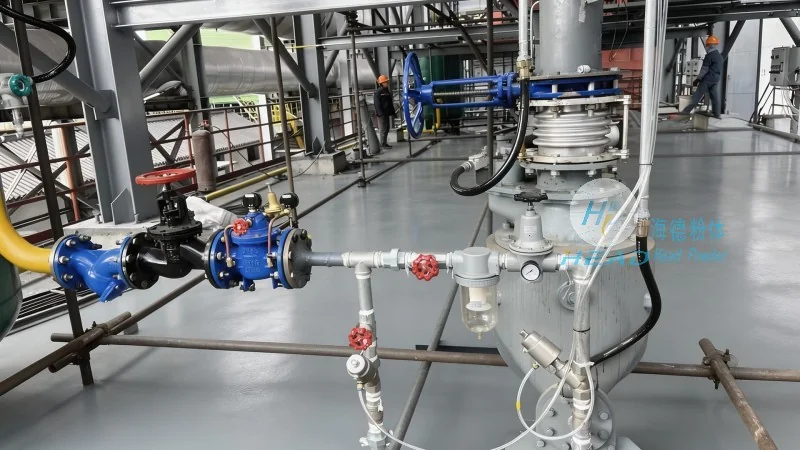
Conventional Conveying Methods for Slipstone Powder
Traditionally, slipstone powder has been conveyed using methods such as screw conveyors, belt conveyors, and bucket elevators. These systems are often effective for short to medium distances and moderate material volumes. However, they have limitations, particularly when dealing with fine powders like slipstone, which can lead to issues like dust accumulation, material degradation, and increased maintenance requirements. For example, screw conveyors may cause excessive friction and heat, potentially affecting the powder's moisture content and particle size distribution. Belt conveyors, while suitable for bulk materials, can struggle with fine powders due to the risk of clogging and material spillage.
Pneumatic Conveying: A Modern Solution for Slipstone Powder Handling
Pneumatic conveying, also known as air conveying, has emerged as a preferred method for transporting slipstone powder due to its ability to handle fine, dry powders efficiently and safely. This technology uses compressed air to move material through a pipeline, eliminating the need for mechanical components that come into direct contact with the powder. The primary advantage of pneumatic conveying is its ability to prevent dust leakage and contamination, which is critical for maintaining product purity and meeting environmental regulations. Unlike traditional systems, pneumatic conveyors can transport slipstone powder over longer distances with minimal loss and reduced risk of material degradation.
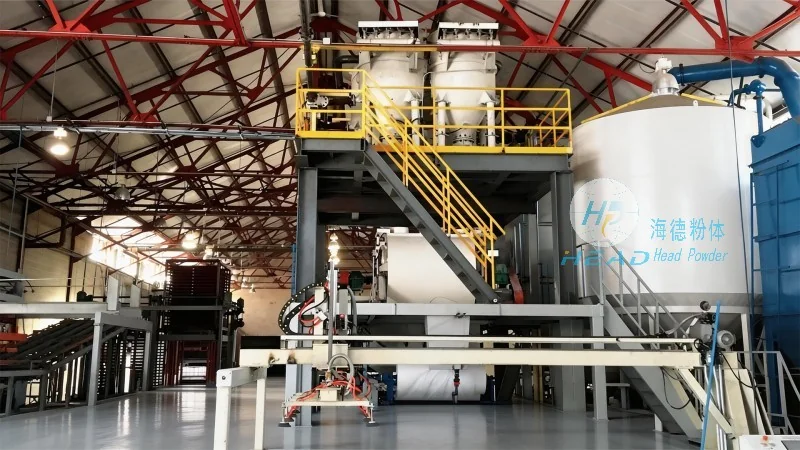
Key Advantages of Pneumatic Conveying for Slipstone Powder
Several key advantages make pneumatic conveying an ideal choice for slipstone powder handling. First, it offers high conveying efficiency, with the ability to transport materials at high speeds and over long distances without the need for multiple transfer points. This reduces the overall footprint of the conveying system and minimizes the risk of material breakage. Second, pneumatic systems are highly flexible, allowing for easy integration with existing production lines and the ability to reconfigure the system as production needs change. Third, they provide excellent control over the material flow, enabling precise dosing and batching, which is essential for applications requiring consistent product quality. Additionally, pneumatic conveying reduces labor costs by automating the material handling process, as it eliminates the need for manual loading and unloading of materials.
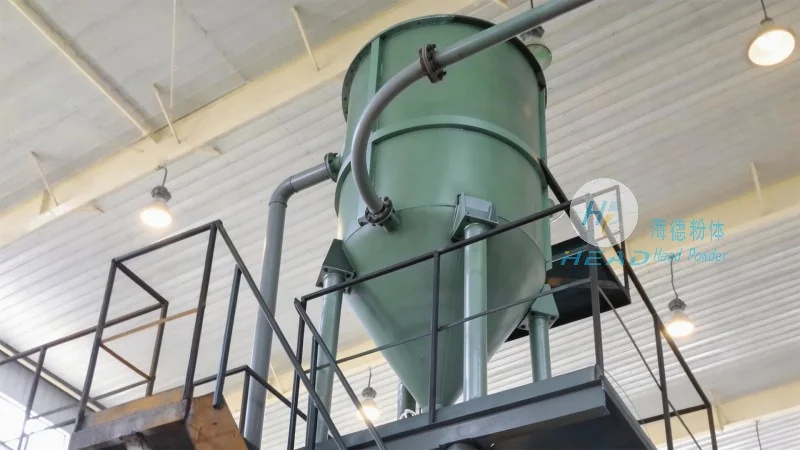
Technical Features of Pneumatic Conveying Systems for Slipstone Powder
The effectiveness of pneumatic conveying for slipstone powder depends on several technical features of the system. The most critical component is the air compressor, which must be capable of generating sufficient pressure to move the powder through the pipeline. The choice of pipeline material is also important, as it needs to be resistant to corrosion and wear from the fine powder. For slipstone powder, which can be abrasive, materials such as stainless steel or special coatings are often used to extend the system's lifespan. The system design, including the type of airlocks and cyclones, plays a crucial role in maintaining material separation and preventing clogging. For example, rotary airlocks are commonly used to feed material into the pipeline, while cyclones are employed to separate the powder from the air stream, ensuring that the material is collected efficiently and without loss.
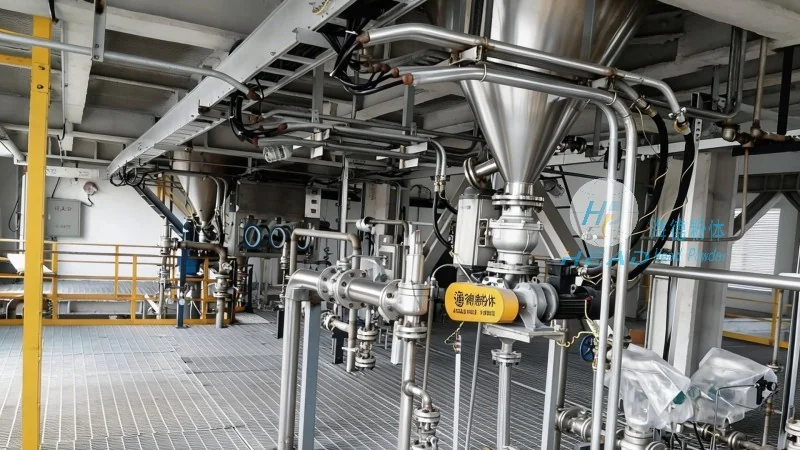
Application Examples and Case Studies
Pneumatic conveying systems are widely used in various industries that handle slipstone powder, including the paper, plastics, and cosmetics sectors. For instance, in the paper industry, slipstone powder is used as a coating material, and pneumatic conveying ensures that the powder is delivered to the coating machines without dust contamination. In the plastics industry, slipstone is used as a filler, and the ability to transport it in a clean, dry state is essential for maintaining the quality of the final product. A case study from a leading slipstone manufacturer in Shandong, China, demonstrates the success of pneumatic conveying in a large-scale production facility. The company, Shandong HeadPowder Engineering Co., Ltd., implemented a pneumatic conveying system to replace an older screw conveyor, resulting in a 30% increase in production efficiency and a 50% reduction in dust emissions. This example highlights the significant benefits that pneumatic conveying can bring to slipstone powder handling operations.
Conclusion and Recommendations
When selecting a conveying method for slipstone powder, it is essential to consider the specific requirements of the application, including material properties, distance, and production volume. While traditional methods may be suitable for small-scale operations, pneumatic conveying offers superior performance and flexibility for modern industrial applications. For companies looking to improve their slipstone powder handling processes, investing in a pneumatic conveying system can lead to significant operational and environmental benefits. As a leading provider of slipstone powder handling solutions, Shandong HeadPowder Engineering Co., Ltd. specializes in designing and manufacturing customized pneumatic conveying systems tailored to the unique needs of each client. With their expertise and experience, they can help businesses optimize their material handling processes and achieve higher levels of efficiency and product quality.




