Ammonium bicarbonate (NH₄HCO₃) is a widely used chemical in industries such as food processing, pharmaceuticals, and agriculture. Its application requires efficient and reliable material handling, often through air-pneumatic conveying systems. However, the unique physical and chemical properties of ammonium bicarbonate can lead to pipeline blockages, which can disrupt production and increase maintenance costs. This article explores the strategies to prevent pipeline blockages in air-pneumatic conveying systems for ammonium bicarbonate and highlights the critical design parameters that ensure system efficiency and longevity.
Understanding the Challenges of Ammonium Bicarbonate Conveying
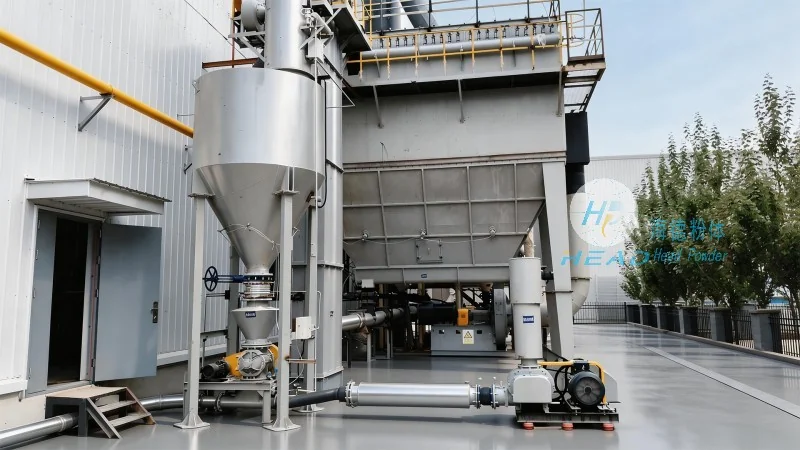
Ammonium bicarbonate is a hygroscopic and slightly soluble compound, which means it can absorb moisture from the air and undergo decomposition at elevated temperatures. These characteristics make it prone to agglomeration and caking when handled improperly. In air-pneumatic conveying, the material is transported by a stream of air, and if the conveying conditions are not optimized, the particles may stick together or adhere to the inner walls of the pipeline, leading to blockages. Additionally, the material's relatively low bulk density and irregular particle size distribution can affect the flow dynamics within the system.
Key Design Parameters for Preventing Pipeline Blockages
Several key design parameters must be carefully considered to prevent pipeline blockages in ammonium bicarbonate conveying systems. The first critical parameter is the conveying velocity. The air velocity must be high enough to maintain the material in suspension but not so high as to cause excessive wear on the equipment or increase energy consumption. For ammonium bicarbonate, an optimal conveying velocity typically ranges from 20 to 30 meters per second, depending on the pipeline diameter and the material's properties. Maintaining this velocity ensures that the particles remain fully suspended and do not settle or adhere to the pipe walls.
The second important parameter is the pressure and air flow rate. The system must be designed to provide sufficient air pressure to overcome the resistance of the pipeline and the material's friction. For ammonium bicarbonate, a positive pressure system is commonly used, where the air is supplied under pressure to push the material through the pipeline. The pressure level is usually set between 0.5 to 1.5 bar, depending on the pipeline length and the required flow rate. Proper air flow rate management is crucial to avoid under-conveying or over-conveying, both of which can lead to blockages.
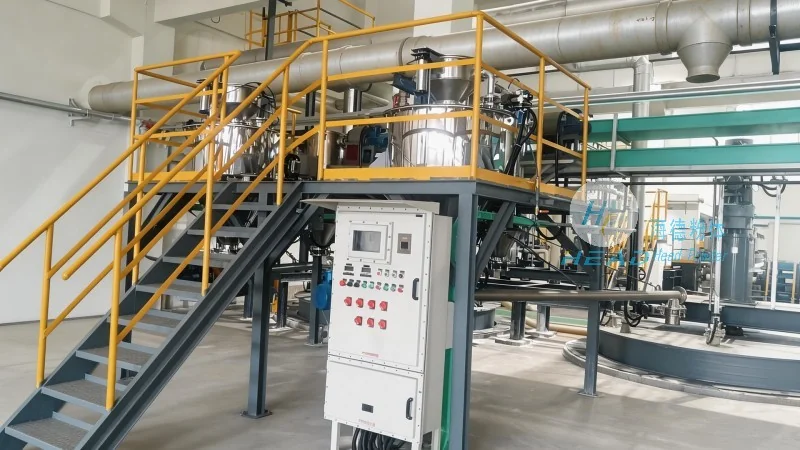
The third critical design parameter is the pipeline diameter and material. The diameter of the pipeline should be selected based on the material's particle size and the required flow rate. For ammonium bicarbonate, a pipeline diameter of 50 to 100 millimeters is often used, as it balances the need for sufficient cross-sectional area to prevent particle settling and the cost of the system. The material of the pipeline is also important; stainless steel or polyethylene is commonly used due to their resistance to corrosion and chemical attack from ammonium bicarbonate. These materials prevent the material from adhering to the pipe walls and reduce the risk of blockages.
The fourth parameter is the gas-solid ratio (air-to-solid ratio). This ratio determines the amount of air required to transport a given quantity of material. An optimal gas-solid ratio for ammonium bicarbonate is typically between 0.5 to 1.0, meaning that for every kilogram of material, 0.5 to 1.0 cubic meters of air is used. An improper ratio can lead to insufficient air for suspension, causing the material to settle and block the pipeline. Conversely, an excessive ratio increases energy consumption without improving conveying efficiency.
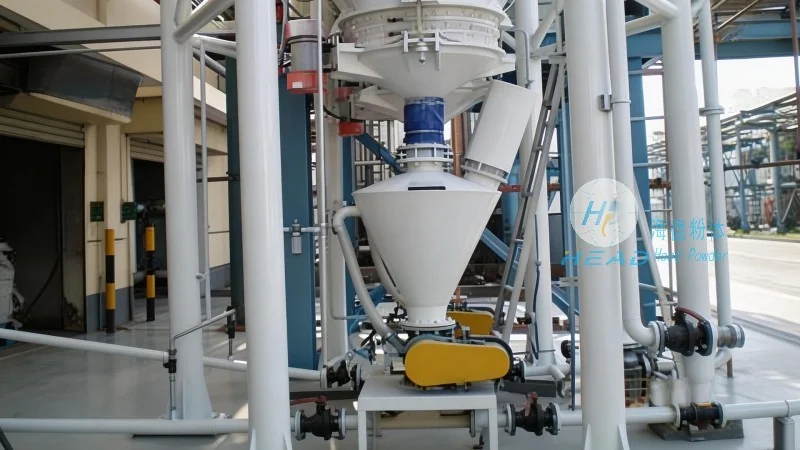
The fifth design parameter is the system layout and equipment selection. The pipeline should be designed with gentle curves and minimal changes in direction to avoid the accumulation of material at bends or elbows. The use of inline mixers or agitators can help break up agglomerates and maintain the material's flowability. Additionally, the selection of the air compressor and filter system is crucial. A high-quality air compressor with proper filtration ensures that the air used for conveying is clean and free of contaminants that could affect the material's properties or cause blockages.
Additional Strategies for Preventing Blockages
Beyond the design parameters, regular maintenance and operational practices are essential to prevent pipeline blockages. This includes cleaning the pipeline regularly, especially after periods of low or no operation, to remove any accumulated material. Monitoring the system's performance, such as air pressure and flow rate, can help detect potential issues early. Additionally, controlling the moisture content of the ammonium bicarbonate before conveying can reduce the risk of agglomeration. Proper storage and handling of the material, such as using sealed containers and maintaining a dry environment, can also minimize the formation of caked material.
Conclusion
Preventing pipeline blockages in air-pneumatic conveying systems for ammonium bicarbonate requires a comprehensive approach that considers both design parameters and operational practices. By optimizing conveying velocity, pressure, pipeline diameter, gas-solid ratio, and system layout, along with regular maintenance and moisture control, the risk of blockages can be significantly reduced. These measures not only improve the efficiency of the conveying process but also extend the lifespan of the equipment and reduce maintenance costs. For industries handling ammonium bicarbonate, investing in a well-designed and properly maintained air-pneumatic conveying system is a critical step toward ensuring smooth and reliable material handling.




