When it comes to designing a bauxite pneumatic conveying system, the process requires a comprehensive approach that balances technical specifications, operational efficiency, and long-term reliability. As a leading engineering firm, Shandong HeadPowder Engineering Co., Ltd. specializes in creating tailored solutions for material handling, with a focus on optimizing the performance of bauxite transportation systems. This article outlines key considerations and best practices for designing an effective bauxite pneumatic conveying system, ensuring that the final solution meets the specific needs of the client while adhering to industry standards.
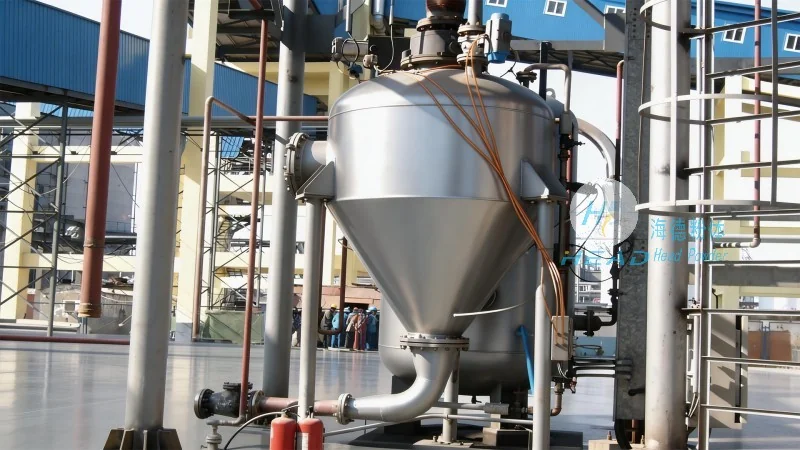
Understanding Bauxite Characteristics and System Requirements
Bauxite, a primary ore used in aluminum production, presents unique challenges due to its physical properties such as particle size, moisture content, and density. These characteristics directly impact the selection of the pneumatic conveying system type. For instance, dry bauxite with relatively uniform particle sizes may be suitable for positive pressure systems, while wet or highly abrasive bauxite might require negative pressure or hybrid systems. At Shandong HeadPowder Engineering Co., Ltd., our engineers conduct thorough material analysis to determine the optimal conveying method, ensuring that the system can handle the specific demands of the bauxite being transported.
System Type Selection: Positive vs. Negative Pressure Conveying
The choice between positive and negative pressure systems is a critical decision in bauxite pneumatic conveying design. Positive pressure systems, which blow air into the conveying line, are often preferred for bauxite due to their ability to handle abrasive materials and prevent dust contamination. These systems typically use rotary airlocks, cyclone separators, and dust collectors to maintain a clean and efficient operation. Negative pressure systems, on the other hand, draw material into the system using suction, which can be beneficial for applications where dust control is paramount. However, they may require more robust equipment to handle abrasive particles and maintain consistent flow rates. Shandong HeadPowder Engineering Co., Ltd. evaluates the client's operational environment, including space constraints and dust emission regulations, to recommend the most suitable system type for their bauxite handling needs.
Pipeline Design and Sizing for Optimal Performance
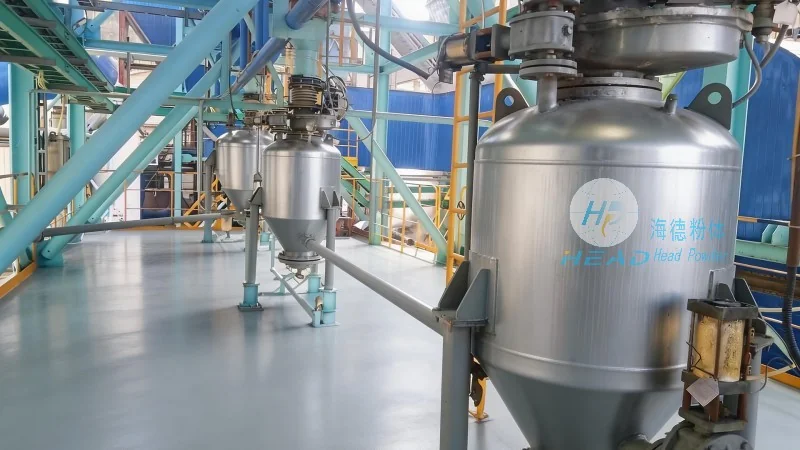
Pipeline design is a cornerstone of bauxite pneumatic conveying system performance. The diameter and length of the conveying line must be carefully calculated to ensure that the system can maintain the required air velocity and material flow rate. Insufficient air velocity can lead to material deposition and blockages, while excessive velocity may cause excessive wear on the pipeline and equipment. Our engineers at Shandong HeadPowder Engineering Co., Ltd. use advanced computational fluid dynamics (CFD) tools to model the flow characteristics and optimize the pipeline dimensions. This approach ensures that the system operates within the optimal velocity range, minimizing energy consumption and maximizing the lifespan of the conveying components.
Equipment Selection: From Feeders to Separators
The selection of key equipment, including feeders, blowers, and separators, is essential for the reliable operation of a bauxite pneumatic conveying system. Rotary airlocks are commonly used to feed bauxite into the conveying line, as they provide a controlled and consistent material flow. The choice of airlock type (e.g., rotary or vibratory) depends on the bauxite's particle size and moisture content. High-pressure blowers or vacuum pumps are used to generate the necessary airflow, with specifications tailored to the system's capacity and pressure requirements. Cyclone separators and baghouse filters are critical for separating the bauxite from the air stream and collecting dust, ensuring compliance with environmental regulations. Shandong HeadPowder Engineering Co., Ltd. selects equipment from reputable manufacturers, considering factors such as durability, efficiency, and maintenance requirements to deliver a long-lasting solution.
Control Systems and Automation for Efficient Operation
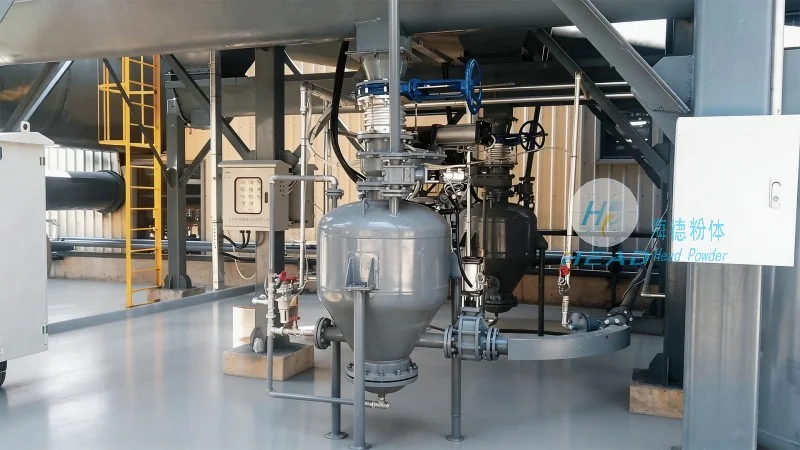
Modern bauxite pneumatic conveying systems rely on advanced control systems to ensure smooth and efficient operation. These systems typically include sensors for monitoring pressure, flow rate, and material level, as well as programmable logic controllers (PLCs) that adjust the system parameters in real-time. Automation features such as automatic start/stop sequences, overload protection, and alarm systems enhance safety and reduce downtime. At Shandong HeadPowder Engineering Co., Ltd., we integrate user-friendly control panels that allow operators to monitor and control the system from a central location, improving operational efficiency and reducing the risk of human error. The implementation of automation also enables remote monitoring and diagnostics, allowing for proactive maintenance and minimizing unplanned shutdowns.
Installation and Commissioning: Ensuring System Reliability
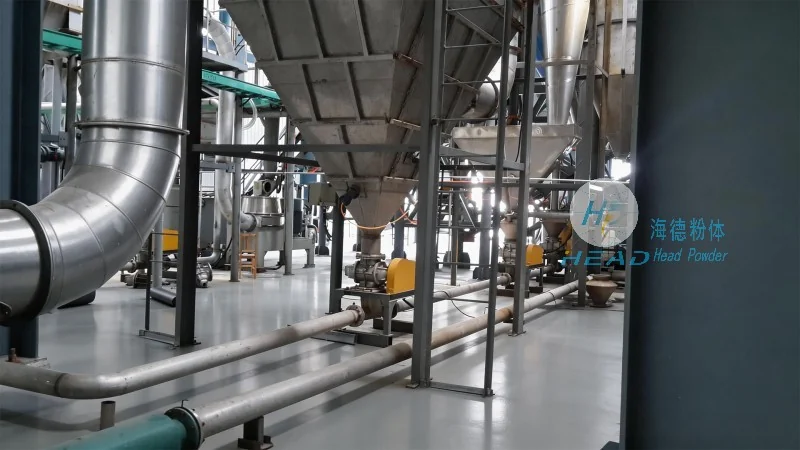
The successful installation and commissioning of a bauxite pneumatic conveying system are crucial for its long-term performance. Proper installation involves careful alignment of components, proper sealing of joints to prevent air leaks, and adherence to safety protocols. Commissioning involves testing the system under various operating conditions to verify that it meets the design specifications. This includes checking air pressure, flow rates, and material transport efficiency. Shandong HeadPowder Engineering Co., Ltd. follows a rigorous commissioning process, which includes system checks, performance testing, and operator training. Our team ensures that the system is fully operational and that the client's personnel are equipped to handle any issues that may arise during operation.
Maintenance and Long-Term Sustainability
Regular maintenance is essential to ensure the longevity and reliability of a bauxite pneumatic conveying system. This includes routine inspections of components such as pipelines, airlocks, and separators, as well as replacement of worn parts. At Shandong HeadPowder Engineering Co., Ltd., we provide comprehensive maintenance services, including preventive maintenance plans tailored to the system's usage and operating conditions. Our maintenance team is trained to handle the unique challenges of bauxite handling, such as abrasive wear and dust accumulation. By implementing a proactive maintenance strategy, clients can minimize downtime, reduce repair costs, and extend the lifespan of their conveying system. Additionally, our engineers consider the environmental impact of the system, ensuring that it complies with local regulations and contributes to sustainable material handling practices.




