Efficient and reliable transportation of pearl sand requires a well-designed pneumatic conveying system. This article outlines the key considerations and steps for creating a reasonable plan, with insights from Shandong HeadPowder Engineering Co., Ltd., a leading provider based in Shandong, China.
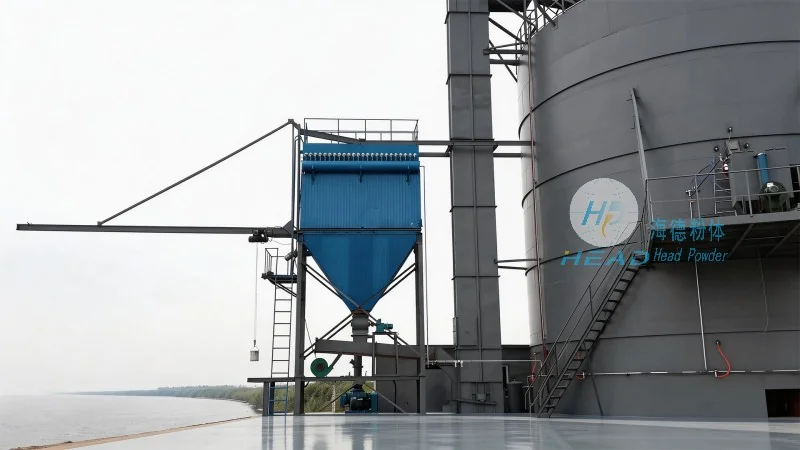
Core Components of a Pearl Sand Pneumatic Conveying System
A pneumatic conveying system for pearl sand typically includes several critical components. The material feed hopper stores and feeds the sand into the system. The air source, usually a blower or compressor, generates the airflow needed to move the material. The conveying line, which can operate under positive or negative pressure, transports the sand from the hopper to the destination. Finally, the receiving hopper collects the material at the end of the line. Each component must be carefully selected and sized to ensure optimal performance and minimize operational challenges.
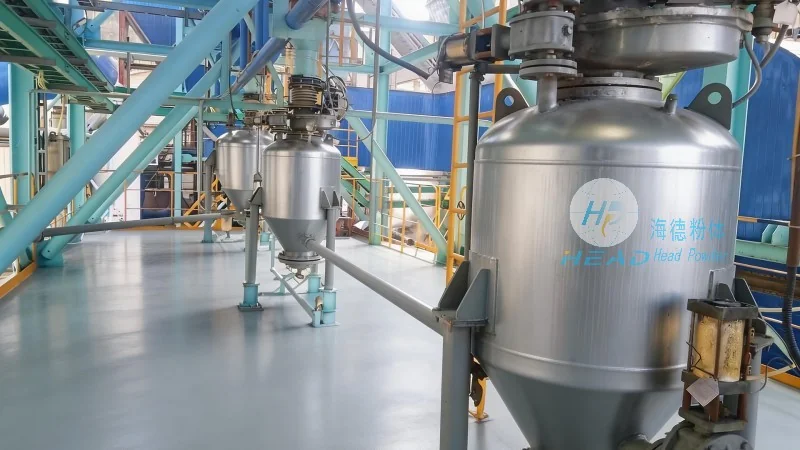
Key Design Factors for System Efficiency
Several critical factors influence the design of a pneumatic conveying system for pearl sand. The first is the system type: positive pressure systems use a blower to push material through the line, while negative pressure systems use a vacuum to pull it. This choice depends on factors like distance, height, and material characteristics. The second factor is the material's properties, such as particle size, density, and moisture content, as these affect required airflow and pressure. The third is the system's capacity, which must align with production needs to avoid bottlenecks or underutilization. Additionally, the system's layout—including the number of bends and line length—affects efficiency and energy consumption.
Selecting Appropriate Equipment
Choosing the right equipment is essential for a successful pearl sand pneumatic conveying system. The air source, whether a rotary lobe blower or centrifugal fan, must match the system's requirements. The blower's capacity and pressure must overcome system resistance. The conveying line, made of materials like stainless steel or PVC, should be sized to handle material flow without excessive pressure drop. The feed and receiving hoppers must prevent buildup and ensure smooth flow. All equipment should be selected based on the pearl sand's specific characteristics and operational conditions.
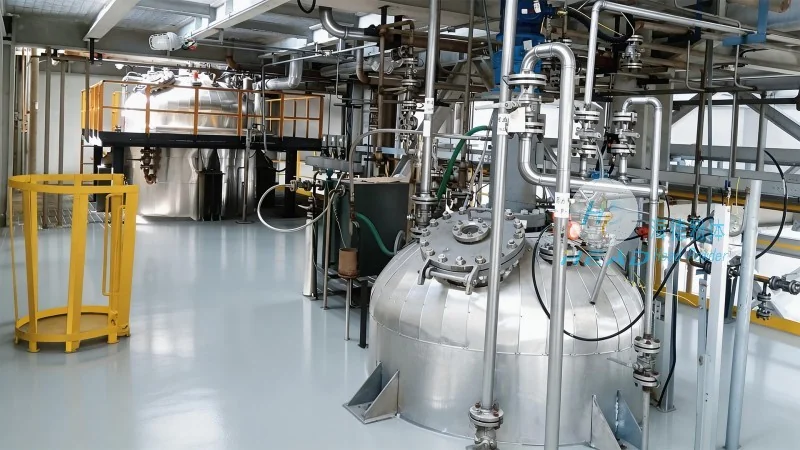
Optimizing Performance and Reliability
Once the system is designed and installed, optimizing performance is crucial. Regular maintenance, such as cleaning the conveying line and checking the air source, prevents clogs and ensures consistent operation. Monitoring pressure and airflow helps identify issues early. Using high-quality components from reputable manufacturers, like Shandong HeadPowder Engineering Co., Ltd., enhances reliability and longevity. By following these guidelines, you can design a pneumatic conveying system that efficiently handles pearl sand while minimizing downtime and operational costs.




