Wood fiber powder conveying is a critical process in various industrial applications, particularly in the manufacturing of wood-based panels and composite materials. The efficient handling of wood fiber powders ensures smooth production workflows and optimal material utilization. This article provides an in-depth look at the operation process and working principles of wood fiber powder conveying systems, highlighting key components, operational steps, and the role of specialized equipment in maintaining consistent performance.
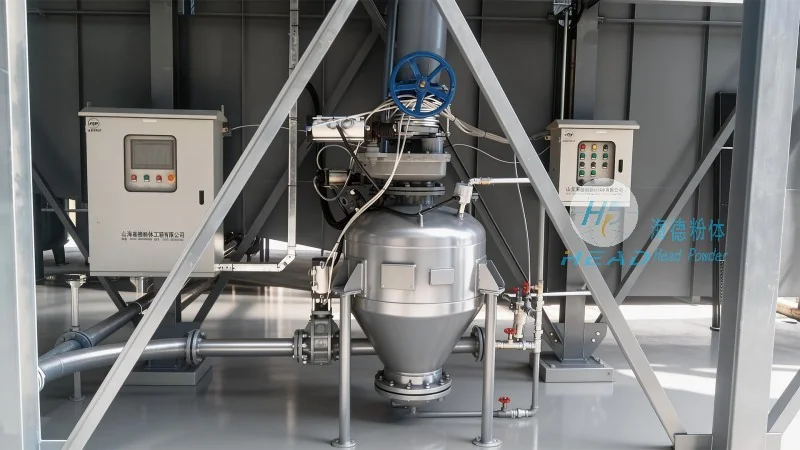
Overview of Wood Fiber Powder Conveying Systems
Wood fiber powder conveying systems are designed to transport wood fiber powders from storage silos or processing units to the production lines where they are incorporated into final products. These systems typically consist of several interconnected components, including feeders, conveyors, and control mechanisms, all working in tandem to ensure reliable and continuous material flow. The design of such systems is tailored to handle the unique properties of wood fiber powders, which include varying particle sizes, moisture content, and bulk density.
Key Components and Their Functions
The core components of a wood fiber powder conveying system include feeders, which regulate the flow of material from the source; conveyors, which transport the powder to the destination; and control units, which monitor and adjust the system parameters. Feeders, such as rotary valves or screw feeders, are crucial for maintaining a consistent feed rate, preventing material bridging or clogging, and ensuring uniform material distribution. Conveyors, often using pneumatic or mechanical methods, are selected based on the specific characteristics of the wood fiber powder and the required conveying distance. Pneumatic conveying systems, for instance, use air to move the powder through pipelines, while mechanical conveyors rely on belts or screws to transport the material.
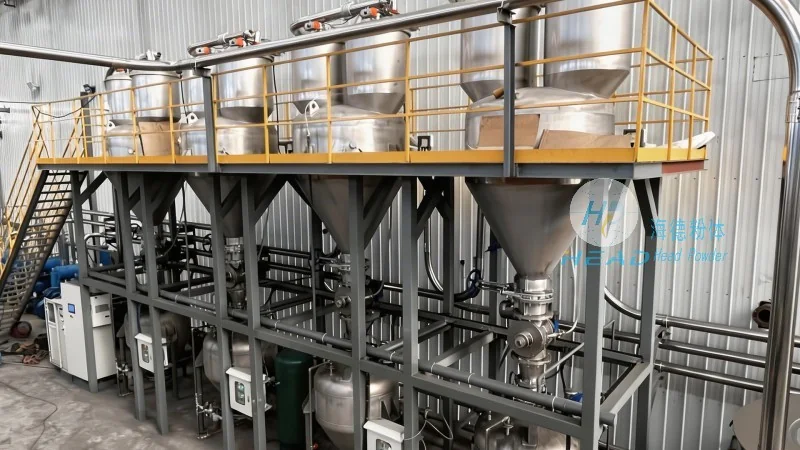
Operation Process: Step-by-Step Analysis
The operation process of wood fiber powder conveying involves several sequential steps that ensure the system operates efficiently and safely. The first step is material loading, where wood fiber powders are transferred from storage containers into the feeder. This is typically done using bulk handling equipment, such as bucket elevators or conveyor belts, which move the material from the ground level to the feeder hopper. The feeder then regulates the flow of material into the conveyor system, ensuring a steady supply to the processing line.
Once the material is in the conveyor system, it is transported to the target location, such as a mixing or blending unit. The conveying method used depends on the system design and the properties of the wood fiber powder. For example, pneumatic conveying systems use compressed air to create a pressure differential that moves the powder through the pipeline. The air velocity and pressure are carefully controlled to prevent particle segregation or degradation. Mechanical conveyors, on the other hand, use rotating components to push the powder along the conveyor path, which is suitable for shorter distances and higher material loads.
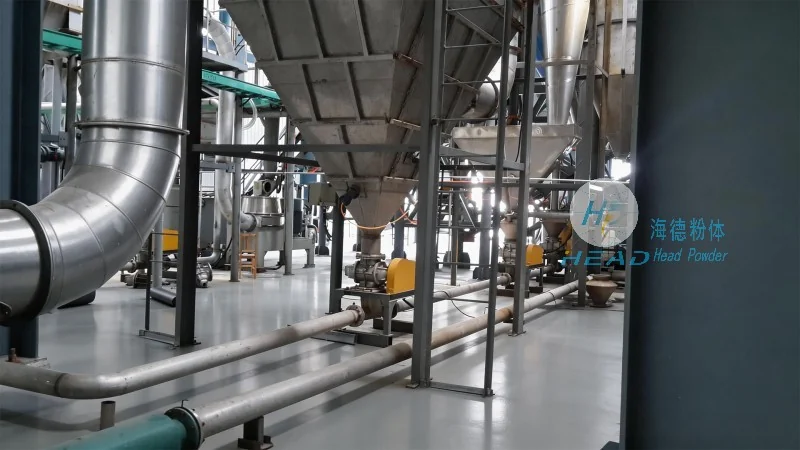
Working Principles: How the System Operates
The working principles of wood fiber powder conveying systems are based on the physical properties of the material and the principles of fluid dynamics or mechanical force. In pneumatic conveying, the system operates by creating a pressure difference between the source and destination. The feeder introduces the wood fiber powder into the pipeline, and the compressed air pushes the material forward. The air velocity is maintained above the minimum required to prevent particle settling, ensuring a continuous flow. The control unit monitors the pressure and flow rates, adjusting the air supply as needed to maintain optimal conveying conditions.
In mechanical conveying systems, the working principle involves the use of rotating components, such as screws or belts, to move the powder. The screw conveyor, for example, uses a helical screw to push the material along the conveyor tube. The speed of the screw and the pitch of the helix are adjusted to control the flow rate and prevent clogging. The mechanical force applied by the screw ensures that the wood fiber powder is transported efficiently, even in cases where the material has high moisture content or is prone to clumping.
Role of HeadPowder in Wood Fiber Conveying Solutions
Shandong HeadPowder Engineering Co., Ltd., commonly known as HeadPowder, specializes in the design, manufacturing, and installation of wood fiber powder conveying systems. With a focus on providing customized solutions tailored to the specific needs of clients, HeadPowder leverages advanced engineering and manufacturing capabilities to deliver reliable and efficient conveying systems. The company’s expertise lies in understanding the unique challenges of wood fiber powders, such as their variability in particle size and moisture content, and developing systems that address these challenges effectively.
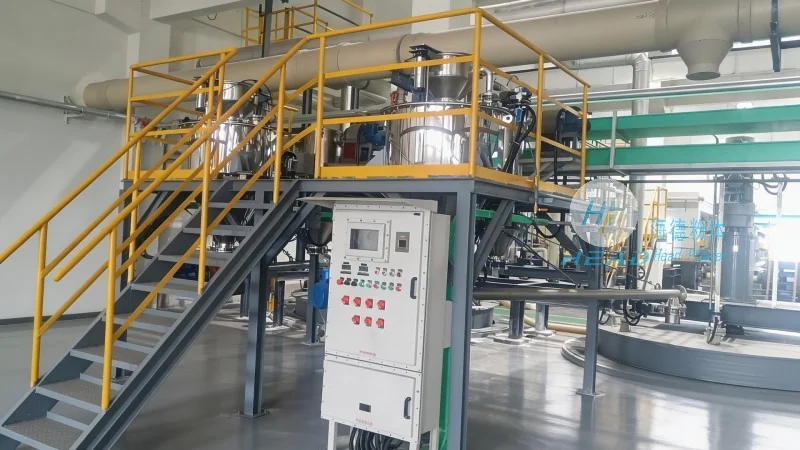
HeadPowder’s wood fiber powder conveying systems are designed to enhance production efficiency and reduce downtime. By ensuring consistent material flow and preventing material loss or degradation, these systems contribute to higher product quality and lower operational costs. The company’s team of engineers and technicians work closely with clients to assess their specific requirements, from the type of wood fiber powder to the conveying distance and production capacity. This collaborative approach ensures that the final system meets all operational and performance criteria.
Conclusion: The Importance of Efficient Wood Fiber Powder Conveying
Efficient wood fiber powder conveying is essential for the smooth operation of wood-based manufacturing processes. By understanding the operation process and working principles of these systems, manufacturers can optimize their production workflows, improve material utilization, and enhance overall productivity. The role of specialized equipment, such as feeders and conveyors, and the expertise of companies like HeadPowder in designing and implementing these systems, is critical to achieving reliable and consistent performance. As the demand for wood-based products continues to grow, the importance of efficient wood fiber powder conveying will only increase, making it a key area of focus for manufacturers seeking to maintain competitive advantages.




