When it comes to the efficient and safe handling of lithium-ion batteries, the design of a pneumatic conveying system is a critical factor. A well-designed system not only ensures optimal performance but also enhances safety and reduces operational costs. This article will explore the key aspects of designing a reasonable lithium-ion battery pneumatic conveying system, providing insights into the technical considerations and practical steps involved.
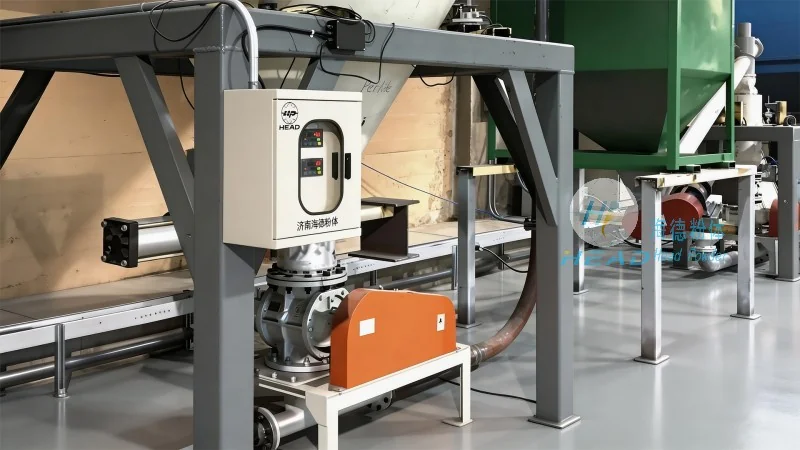
Understanding the Core Requirements for Lithium-Ion Battery Pneumatic Conveying
Before diving into the design specifics, it's essential to understand the unique characteristics of lithium-ion batteries that influence system design. These batteries are typically lightweight yet dense, with specific electrical and chemical properties that require careful handling. The system must be capable of transporting these batteries without causing damage, ensuring minimal vibration and impact. Additionally, the system should be designed to prevent dust accumulation and maintain a controlled environment to mitigate fire or explosion risks. These factors are paramount in creating a safe and efficient conveying solution.
Key Design Considerations for Pneumatic Conveying Systems
Several critical factors must be considered when designing a pneumatic conveying system for lithium-ion batteries. The first is the material's physical properties, such as particle size, density, and flowability. These characteristics determine the type of conveying system—whether it's a pressure or vacuum system, and the specific components needed. For instance, if the battery components are small and lightweight, a pressure system with a positive displacement blower might be more suitable, as it can provide consistent airflow and pressure. Conversely, if the material is bulkier, a vacuum system with a large suction capacity might be preferred.
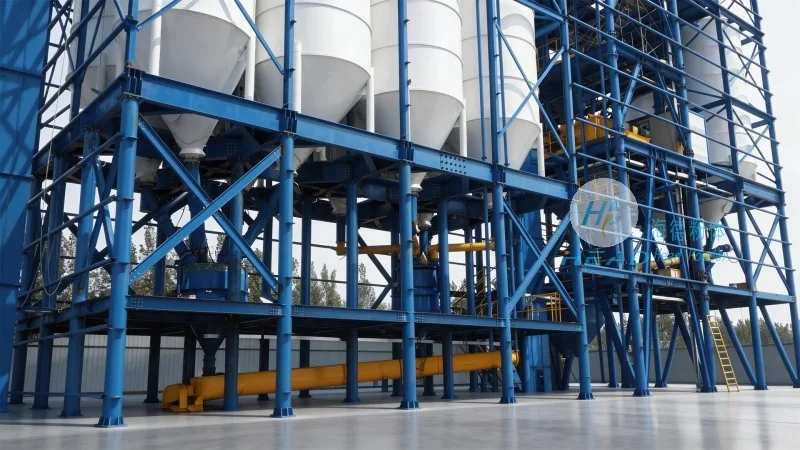
Another crucial consideration is the system's capacity and throughput requirements. The design must account for the production volume and the desired conveying speed. This involves calculating the required air volume and pressure to move the batteries efficiently without causing excessive wear on the system components. Engineers must also consider the system's scalability, ensuring it can adapt to future production increases without major overhauls.
Component Selection and System Layout
The selection of components is a pivotal step in the design process. For a lithium-ion battery pneumatic conveying system, key components include the hopper, feeder, air compressor or vacuum pump, conveying pipes, and collection bin. The hopper must be designed to accommodate the battery components and prevent material bridging or segregation. A well-designed feeder ensures a consistent flow of material into the system, minimizing fluctuations that could affect performance. The air compressor or vacuum pump must be capable of delivering the required pressure or vacuum levels, with sufficient power to handle the system's load. The conveying pipes should be made of materials resistant to corrosion and wear, such as stainless steel or special polymers, to ensure longevity and safety.
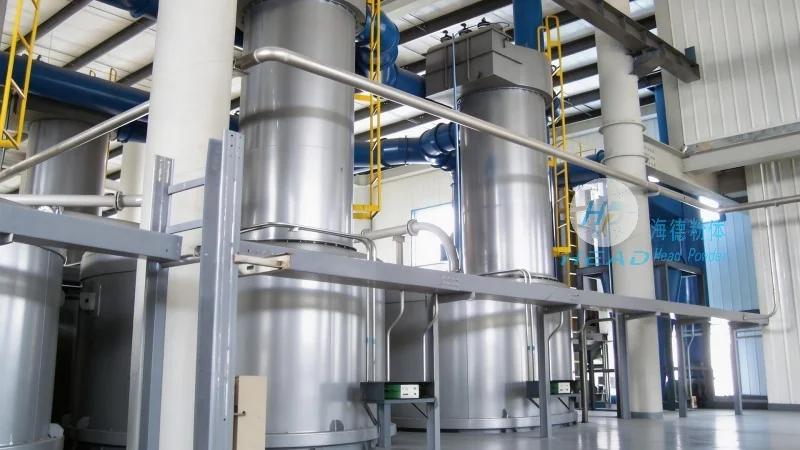
The system layout is equally important. The arrangement of components should minimize the length of the conveying line, reducing energy consumption and wear on the pipes. Proper positioning of the hopper, feeder, and collection bin can also enhance the system's efficiency and safety. For example, placing the collection bin at an appropriate height can facilitate easy discharge of the batteries, while ensuring that the system remains within the recommended operating parameters.
Safety and Compliance in System Design
Safety is a top priority when dealing with lithium-ion batteries, which are known for their potential fire and explosion hazards. The pneumatic conveying system must be designed with safety features to mitigate these risks. This includes incorporating explosion-proof components, such as air compressors and motors, and using non-combustible materials for the conveying pipes and hoppers. The system should also be equipped with pressure relief valves and emergency shut-off mechanisms to prevent over-pressurization or other dangerous situations. Additionally, the design must comply with relevant industry standards and regulations, such as those from the International Electrotechnical Commission (IEC) or local safety authorities, to ensure legal and operational compliance.




