High-temperature ash pneumatic conveying systems are critical in industrial applications where efficient and safe handling of hot ash is required. These systems are designed to transport ash from sources like boilers, furnaces, or incinerators to disposal or processing facilities. A well-designed system not only enhances operational efficiency but also ensures compliance with safety and environmental regulations. This article outlines key factors and practical steps for designing a reliable high-temperature ash pneumatic conveying system, tailored for industries such as power generation, waste management, and industrial manufacturing.
Understanding the Core Requirements of High-Temperature Ash Conveying
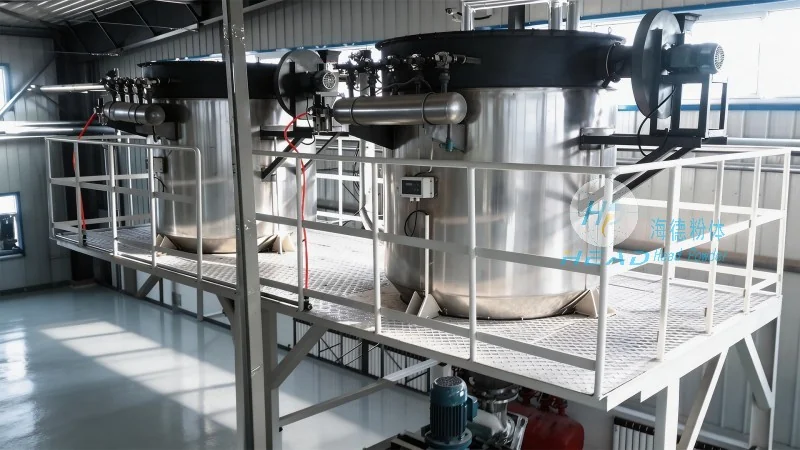
Before embarking on the design process, it is essential to understand the specific characteristics of the ash being handled. High-temperature ash often presents unique challenges, including abrasive properties, moisture content, and varying particle sizes. These factors directly impact the selection of materials, components, and system configuration. For instance, abrasive ash may require wear-resistant materials for pipelines and components to extend service life. Moisture content can affect the flow characteristics and may necessitate drying or moisture control measures. Particle size distribution influences the air velocity and pressure requirements to ensure proper conveying. By thoroughly analyzing these parameters, engineers can tailor the system to meet both operational and safety standards.
Key Components and Technologies in High-Temperature Ash Pneumatic Conveying
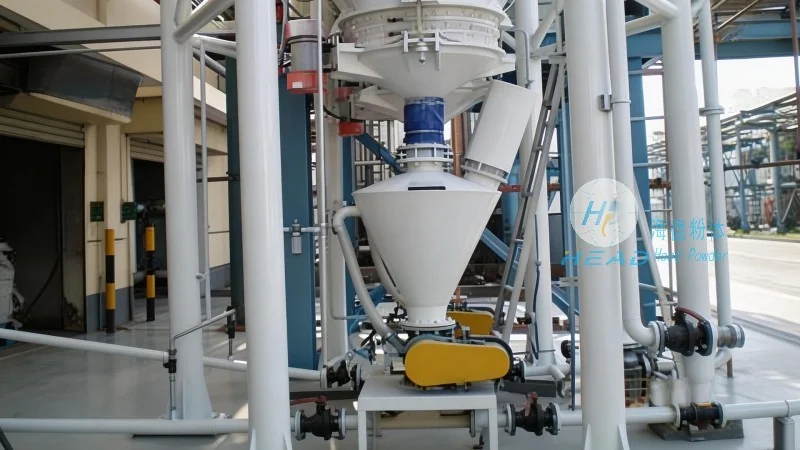
The design of a high-temperature ash pneumatic conveying system involves several critical components, each playing a vital role in the overall performance. The primary components include the ash feed hopper, which collects and stores the ash before it is introduced into the system. The feed hopper must be equipped with a suitable discharge mechanism, such as a rotary valve or a screw feeder, to control the flow rate and prevent blockages. The conveying line itself is typically made of materials like stainless steel or high-grade plastic, chosen for their resistance to high temperatures and corrosion. For high-temperature applications, insulated pipelines may be used to maintain the temperature of the ash and prevent heat loss. The system also includes a blower or air compressor that generates the necessary air pressure to move the ash particles through the pipeline. The air velocity must be sufficient to overcome the resistance of the ash particles and maintain a stable flow. Additionally, the system may incorporate filters and cyclones to separate the ash from the air stream, ensuring that the exhaust air is clean and meets environmental regulations. The selection of these components is crucial for the system's efficiency and longevity.
Practical Design Steps for Implementing a High-Temperature Ash Pneumatic Conveying System
Designing a high-temperature ash pneumatic conveying system requires a systematic approach, starting with a comprehensive analysis of the process requirements. The first step is to define the system's capacity and the desired conveying distance. This information helps determine the required air volume and pressure. Engineers then select the appropriate blower or compressor based on the system's power needs and the specific characteristics of the ash. The next step involves designing the pipeline layout, considering factors such as the height and length of the conveying line, and ensuring that the system can handle the expected flow rates. The pipeline diameter and material are chosen based on the particle size and the required air velocity. The system may also include expansion joints or flexible connectors to accommodate thermal expansion and reduce stress on the components. The feed hopper and discharge equipment are designed to handle the ash's properties, with considerations for wear resistance and proper sealing to prevent dust emissions. Finally, the system is tested and optimized to ensure it meets performance and safety standards. Regular maintenance and monitoring are essential to maintain the system's efficiency and longevity.
Case Study: Successful Implementation by Shandong HeadPowder Engineering Co., Ltd.
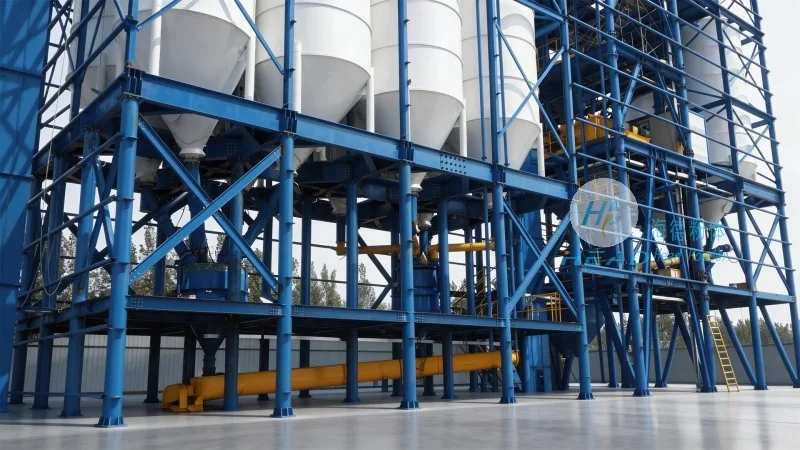
Shandong HeadPowder Engineering Co., Ltd., a leading provider of engineering solutions for material handling systems, has successfully implemented high-temperature ash pneumatic conveying systems for various clients. One notable project involved a power plant in Shandong, China, where the company designed and installed a system to transport hot ash from the boiler to a disposal facility. The system was tailored to handle the plant's specific ash characteristics, including high temperature and abrasive properties. The design incorporated wear-resistant materials for the pipelines and components, ensuring long service life. The system's performance was monitored and optimized to achieve the desired conveying capacity and efficiency. The project demonstrated the effectiveness of the system in improving operational efficiency and reducing maintenance costs. This case study highlights the importance of a well-designed system and the expertise of Shandong HeadPowder Engineering Co., Ltd. in providing customized solutions for high-temperature ash handling.
Conclusion and Recommendations
Designing a high-temperature ash pneumatic conveying system requires careful consideration of the ash's properties, system components, and operational requirements. By following a systematic approach and incorporating appropriate technologies, engineers can develop a reliable and efficient system. The key to success lies in thorough analysis, proper component selection, and regular maintenance. For industries dealing with high-temperature ash, partnering with experienced engineering firms like Shandong HeadPowder Engineering Co., Ltd. can ensure that the system meets both performance and safety standards. By investing in a well-designed high-temperature ash pneumatic conveying system, companies can enhance their operational efficiency, reduce costs, and comply with environmental regulations. The future of high-temperature ash handling lies in innovative design and advanced materials, which will continue to improve the performance and reliability of these systems.




