

Working Principle and Features of Silicate Pneumatic Conveying Systems
For industries dealing with silicate materials, efficient and reliable material handling is crucial. Silicate pneumatic conveying systems offer a solution that combines advanced technology with practical application, ensuring smooth operation and minimal downtime. This article explores the working principle and key features of such systems, providing insights into how they enhance productivity in material processing.
Understanding the Working Principle of Silicate Pneumatic Conveying Systems
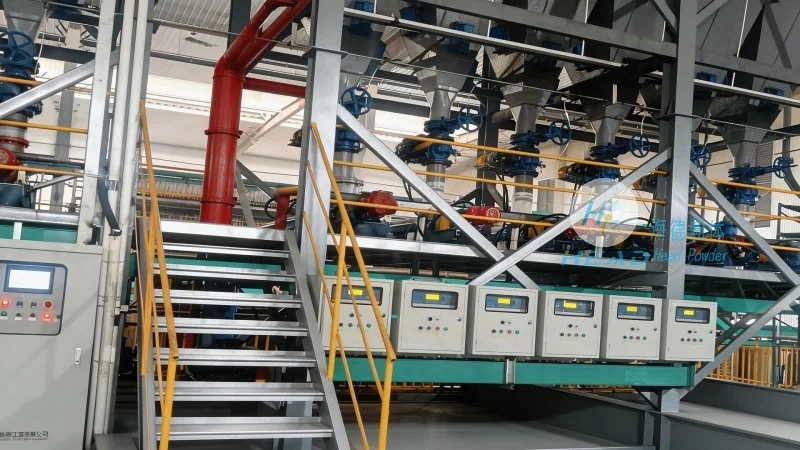
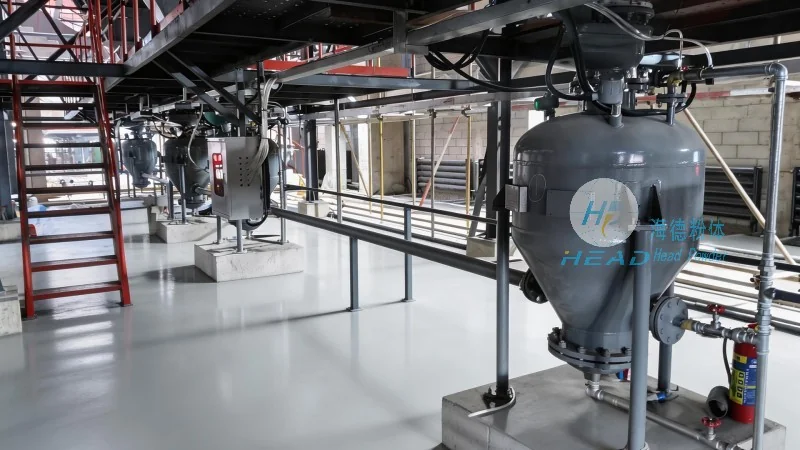
Silicate pneumatic conveying systems operate on the principle of transporting bulk materials through a pipeline using air or other gases. The process typically involves either suction or pressure methods, depending on the specific requirements of the material and the system design. In suction systems, a vacuum is created at the material inlet to draw the silicate particles into the pipeline, where they are then carried by the airflow to the discharge point. Conversely, pressure systems use compressed air to push the material through the pipeline, which is often more suitable for longer distances or when dealing with abrasive or sensitive materials. The core components of these systems include a hopper for material storage, a conveying line, a control unit, and a discharge mechanism. The control unit regulates the airflow and pressure, ensuring consistent material flow and preventing blockages or system failures. By leveraging the kinetic energy of the air, the system efficiently moves silicate materials from one location to another without the need for mechanical components like belts or buckets, reducing maintenance and operational costs.
Key Features and Advantages of Silicate Pneumatic Conveying Systems
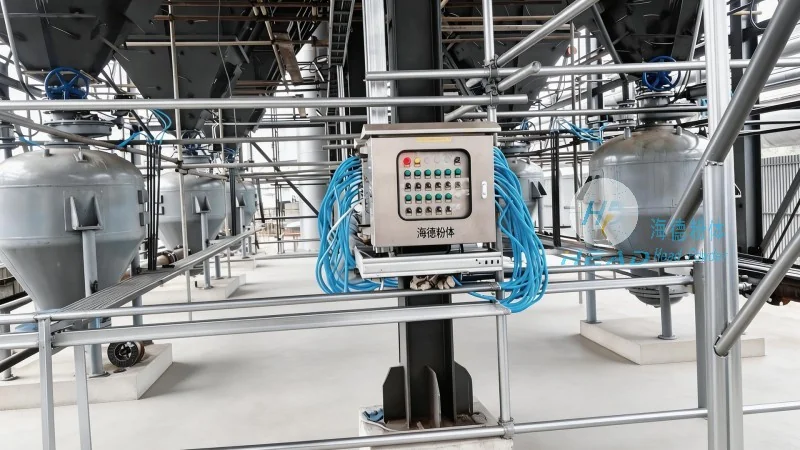
One of the primary advantages of silicate pneumatic conveying systems is their ability to handle a wide range of silicate materials, including powders, granules, and fine particles. The system's design allows for flexibility in material types, making it suitable for various industrial applications such as ceramics, glass, and construction materials. Another significant feature is the system's compact and modular structure, which enables easy installation and integration into existing production lines. This modularity also facilitates maintenance and repairs, as individual components can be accessed and serviced without disrupting the entire system. Additionally, silicate pneumatic conveying systems offer high efficiency in material transport, with minimal material loss and low energy consumption compared to traditional methods like belt conveyors or bucket elevators. The systems are also designed with safety in mind, incorporating features like pressure relief valves and material flow monitors to prevent accidents and ensure safe operation. Environmental considerations are also addressed, as the enclosed pipeline design reduces dust emissions and improves workplace safety, aligning with modern industrial standards.
About Shandong HeadPowder Engineering Co., Ltd.
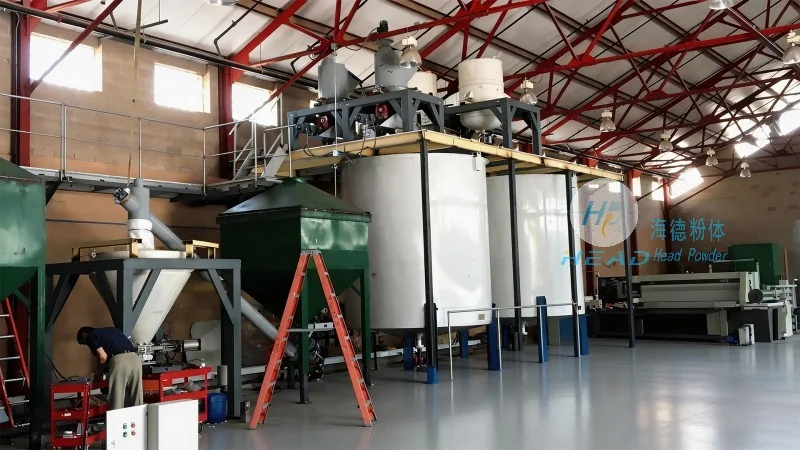
HeadPowder, a leading manufacturer of material handling solutions, specializes in the design, manufacturing, and installation of silicate pneumatic conveying systems. With years of experience in the industry, the company has developed a reputation for producing high-quality, reliable equipment tailored to the specific needs of its clients. HeadPowder's systems are engineered to meet international standards and are backed by a team of skilled engineers and technicians who provide comprehensive support throughout the project lifecycle. The company's commitment to innovation and customer satisfaction has made it a trusted partner for businesses seeking efficient and sustainable material handling solutions. HeadPowder's facilities are located in Shandong, China, where the company leverages local resources and expertise to deliver superior products and services to the global market.