Understanding the mechanics and applications of dry ash pneumatic conveying systems is crucial for industries dealing with bulk material handling, particularly in power generation and waste management sectors. This article provides an overview of the technology, focusing on the fundamental principles that enable efficient transport of dry ash and other fine particulate materials.
Overview of Pneumatic Conveying Systems
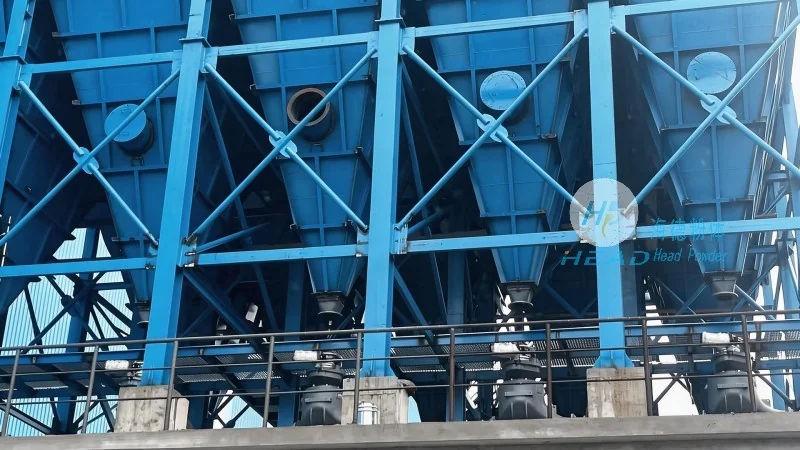
Pneumatic conveying systems utilize air or other gases to transport solid materials through a pipeline network. Unlike traditional mechanical systems like belt conveyors or screw conveyors, pneumatic systems offer flexibility in layout, the ability to handle abrasive or corrosive materials, and minimal maintenance requirements. The core components typically include a material feed hopper, a blower or compressor to generate airflow, a pipeline system, and a discharge point or collection unit.
Working Principle of Dry Ash Pneumatic Conveying
The process of dry ash pneumatic conveying involves several key steps. First, dry ash is fed from a storage silo or hopper into the conveying line. A blower then generates high-pressure air, which is introduced into the pipeline at the feed point. The air velocity is carefully controlled to ensure that the ash particles are suspended and transported through the pipeline without clogging or deposition. The conveying medium, usually air, is often filtered and recycled to maintain system efficiency and environmental compliance. At the receiving end, the air and ash are separated, with the ash collected in a designated container and the air either vented or recirculated back into the system.
Key Components and Their Functions
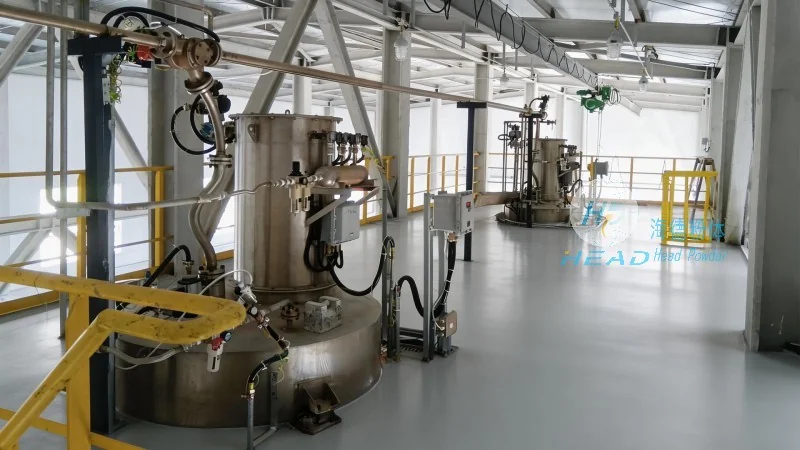
Several critical components contribute to the effective operation of a dry ash pneumatic conveying system. The material feed hopper is designed to provide a consistent flow of dry ash, often equipped with a rotary valve or feeder to control the discharge rate. The blower or compressor is the power source, generating the necessary airflow to move the material. The pipeline system, made from materials such as stainless steel or plastic, must be capable of withstanding the pressure and abrasion from the ash particles. Additionally, a filter system is essential to remove any fine particles from the exhaust air, ensuring compliance with environmental regulations and preventing equipment damage.
Advantages of Dry Ash Pneumatic Conveying
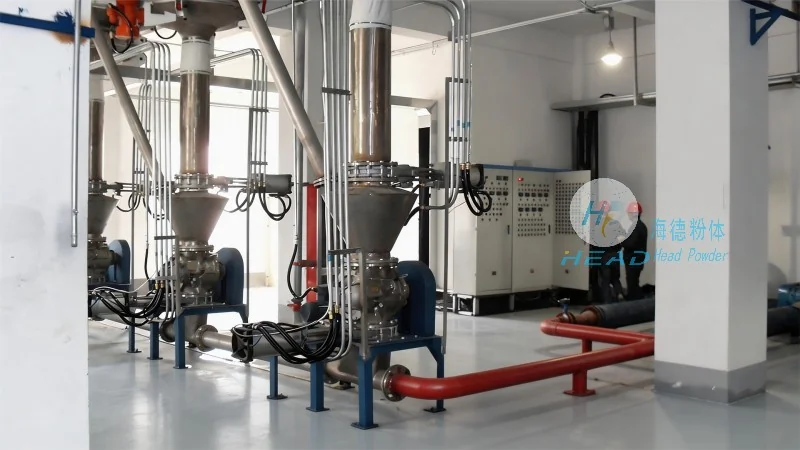
Compared to other material handling methods, dry ash pneumatic conveying offers several advantages. It allows for the transport of materials over long distances with minimal space requirements, as the system can be routed through existing structures or underground. The process is also relatively low maintenance, as there are fewer moving parts compared to mechanical conveyors. Furthermore, pneumatic systems can handle a wide range of particle sizes and densities, making them suitable for various applications in power plants, waste incineration facilities, and industrial processing plants.
About HeadPowder Engineering
HeadPowder Engineering, a leading provider of bulk material handling solutions, specializes in the design, manufacturing, and installation of pneumatic conveying systems tailored to the needs of industrial clients. With a focus on innovation and reliability, the company has established itself as a trusted partner in the power generation and waste management sectors. HeadPowder Engineering's expertise lies in developing customized solutions that optimize material transport efficiency while ensuring compliance with industry standards and environmental regulations. The company's headquarters is located in Shandong, China, where it leverages advanced technology and local manufacturing capabilities to deliver high-quality equipment and services to global markets.




