

Working Principle and Features of Lithium Manganese Dioxide Pneumatic Conveying Systems
Understanding the working principle and features of lithium manganese dioxide (LiMnO₂) pneumatic conveying systems is crucial for industries that handle this critical material. These systems are designed to efficiently transport LiMnO₂, a key component in lithium-ion batteries, from one location to another with precision and reliability. This article explores the fundamental mechanisms behind these systems and highlights the key characteristics that make them effective in industrial applications.
Working Principle of Lithium Manganese Dioxide Pneumatic Conveying Systems
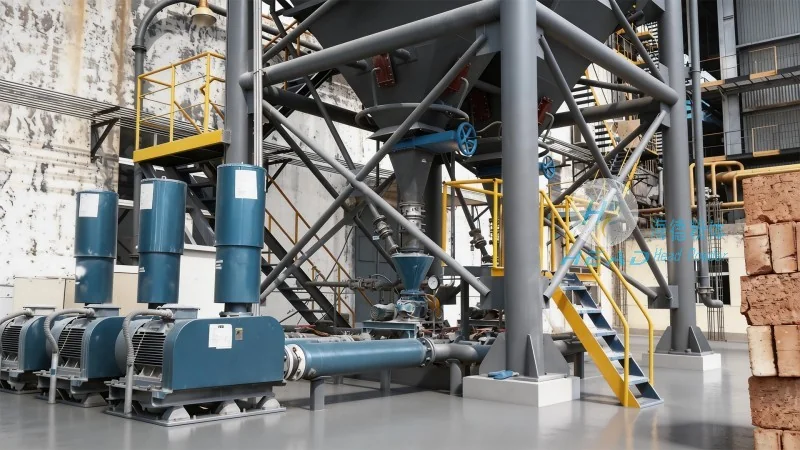
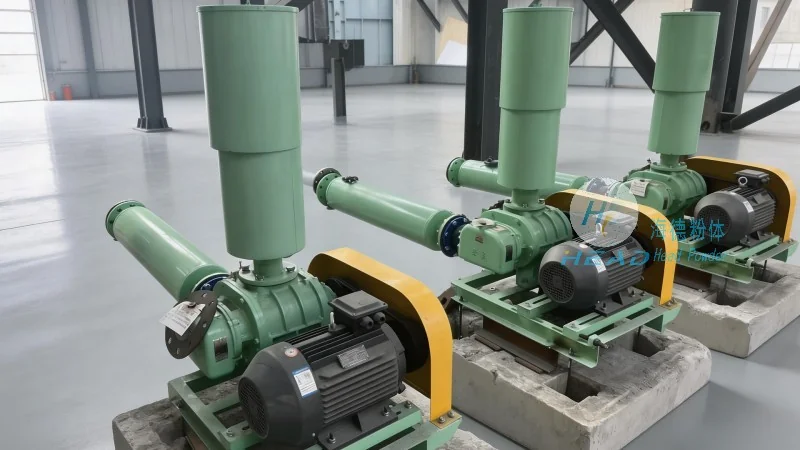
The core of a pneumatic conveying system is the ability to use air or other gases to move solid materials like LiMnO₂ through a pipeline. The process typically involves several key components: a material feed hopper, a blower or compressor to generate airflow, a conveying line, and a discharge point. The working principle can be broken down into the following steps:
First, the LiMnO₂ powder is fed into the system from the hopper. The material is then drawn into the conveying line by the high-velocity air stream generated by the blower. As the powder particles are entrained in the air, they are carried through the pipeline to the discharge point. The air velocity is carefully controlled to ensure that the particles remain suspended and do not settle or clog the system. At the discharge end, the air is often filtered to separate the powder from the gas, and the purified air is either recirculated or vented, depending on the system design.
One of the most common types of pneumatic conveying systems for LiMnO₂ is the positive pressure system. In this setup, the blower supplies compressed air to the entire system, creating a positive pressure environment. This method is particularly effective for transporting fine powders like LiMnO₂ over moderate distances, as it maintains consistent airflow and prevents material degradation. The system's design ensures that the air pressure is sufficient to overcome the resistance of the pipeline and the weight of the material, ensuring smooth and continuous operation.
Key Features of Lithium Manganese Dioxide Pneumatic Conveying Systems
Several distinct features make LiMnO₂ pneumatic conveying systems well-suited for industrial use. These features address the unique properties of LiMnO₂, such as its fine particle size, reactivity, and importance in battery manufacturing. The primary features include:
1. **Efficiency and Speed**: Pneumatic conveying systems can transport LiMnO₂ at high speeds, often several meters per second, which significantly reduces the time required for material movement compared to traditional methods like bucket elevators or belt conveyors. This efficiency is critical in high-volume production environments where rapid material turnover is essential.
2. **Low Maintenance and Reliability**: Modern pneumatic conveying systems are engineered for minimal maintenance. The absence of moving parts in the conveying line (except for the air source) reduces wear and tear, leading to longer operational lifespans. This reliability is vital for continuous production processes, as downtime can result in significant losses.
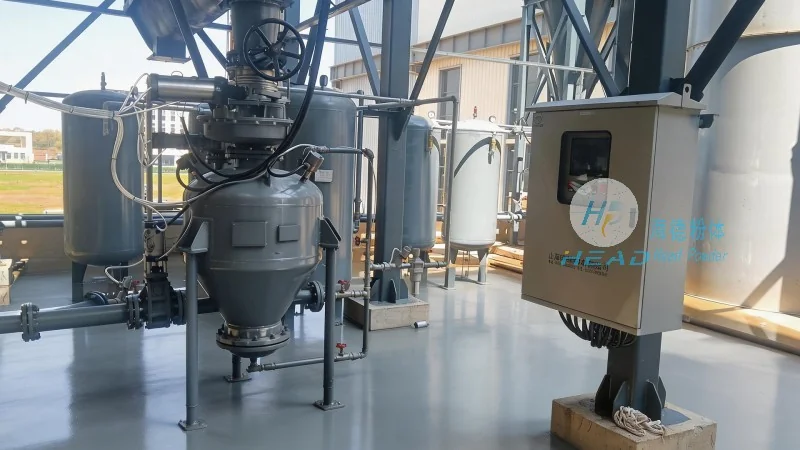
3. **Safety and Containment**: Handling LiMnO₂ requires strict safety measures due to its potential reactivity and dust explosion hazards. Pneumatic conveying systems are designed with sealed pipelines and enclosed hoppers to prevent dust leakage and ensure that the material is contained throughout the transport process. This containment feature minimizes the risk of environmental contamination and protects workers from exposure to fine powders.
4. **Flexibility in Layout**: These systems can be easily integrated into existing production layouts, allowing for horizontal, vertical, or even complex multi-directional transport paths. This flexibility is advantageous in facilities where space is limited or where the material needs to be delivered to multiple destinations. The ability to reconfigure the system without major structural changes makes it a versatile solution for various industrial needs.
5. **Energy Efficiency**: Compared to other material handling methods, pneumatic conveying systems can be more energy-efficient, especially when using high-efficiency blowers and optimized air flow rates. The reduced energy consumption translates to lower operational costs over time, making the system economically viable for long-term use.
Application Considerations and Best Practices
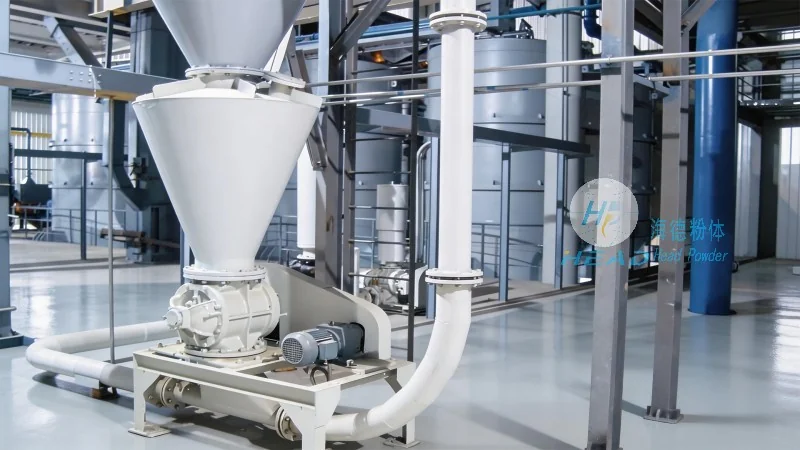
When implementing a LiMnO₂ pneumatic conveying system, several factors must be considered to ensure optimal performance. These include the particle size distribution of the LiMnO₂, the required conveying distance, and the ambient conditions of the facility. Proper sizing of the blower and the diameter of the conveying line are critical to maintain the air velocity necessary for particle suspension. Additionally, regular maintenance, such as cleaning filters and checking for air leaks, is essential to prevent system inefficiencies and potential failures.
Another important consideration is the handling of dust and particulate matter. LiMnO₂ is a fine powder that can generate significant dust during handling. Therefore, the system should be equipped with effective dust collection and filtration systems to comply with environmental regulations and maintain a safe working environment. Proper ventilation and dust suppression measures are also recommended to minimize the risk of dust accumulation and potential explosions.
Conclusion
Lithium manganese dioxide pneumatic conveying systems represent a sophisticated and efficient solution for transporting LiMnO₂ in industrial settings. By leveraging the principles of pneumatic transport, these systems offer advantages such as high speed, low maintenance, and enhanced safety. The key features discussed, including efficiency, reliability, and flexibility, make them a preferred choice for manufacturers of lithium-ion batteries and other LiMnO₂-based products. As the demand for LiMnO₂ continues to grow, the adoption of advanced pneumatic conveying technologies will be essential to meet production requirements while maintaining operational excellence.