Understanding the Pneumatic Conveying of Cement Dry Ash and the Operational Mechanics of Pneumatic Conveying Systems
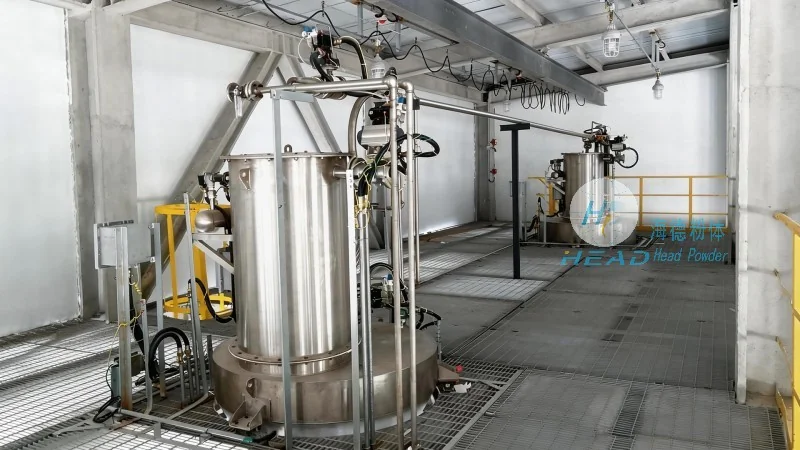
Overview of Cement Dry Ash Pneumatic Conveying
Cement dry ash, often a byproduct from industrial processes, requires efficient and reliable transport methods to ensure proper handling and utilization. Pneumatic conveying systems have emerged as a sophisticated solution for moving these fine particulate materials over varying distances with minimal loss and contamination. This technology leverages the principles of air flow to transport dry cement ash through a network of pipes, offering advantages such as reduced labor costs, improved safety, and enhanced material handling capabilities compared to traditional methods like belt conveyors or bucket elevators.
Working Principle of Pneumatic Conveying Systems
The core mechanism of a pneumatic conveying system involves the use of compressed air or gas to create a flow that propels the dry cement ash particles through the system. The process typically begins with the material being introduced into a hopper or feeder, where it is then fed into a pipeline. As the air is introduced, it creates a low-pressure zone that draws the material along with it, forming a dense or dilute phase flow depending on the system design. Dense phase conveying uses higher air velocities and lower material concentrations to minimize particle degradation, while dilute phase systems rely on higher air volumes and lower velocities, suitable for longer distances or lighter materials. The system may include components such as blowers, filters, and cyclones to manage air pressure, separate the material from the air stream, and ensure the material is deposited at the destination without clogging or loss.
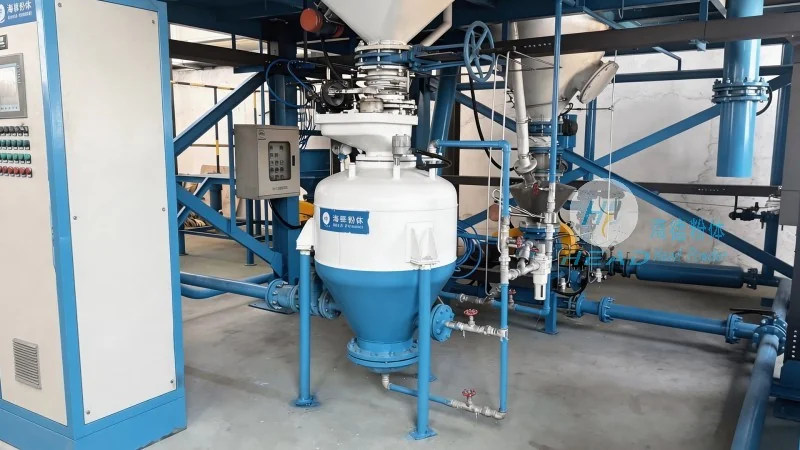
Key Components and Their Functions in Pneumatic Conveying
Effective operation of a pneumatic conveying system for cement dry ash depends on several critical components. The blower or compressor provides the necessary air pressure and volume to drive the material through the system. Hoppers and feeders are used to store and meter the dry ash, ensuring a consistent flow into the pipeline. The pipeline itself is typically made of durable materials like stainless steel or plastic to withstand the abrasive nature of the cement ash and the pressure of the air flow. Filters and cyclones are essential for separating the material from the air, preventing dust accumulation and maintaining air quality. Additionally, control valves and regulators adjust the air flow and pressure as needed, while sensors monitor system performance to detect any issues like blockages or pressure drops.
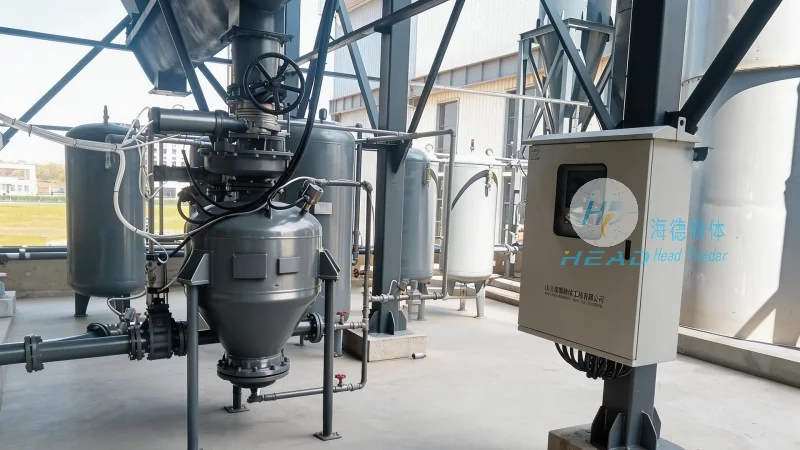
Advantages of Pneumatic Conveying for Cement Dry Ash
Compared to traditional material handling methods, pneumatic conveying offers several benefits for transporting cement dry ash. One of the primary advantages is the ability to handle fine, dusty materials without the need for additional equipment like hoppers or chutes, reducing the risk of material degradation or loss. The enclosed system also minimizes environmental contamination, as the dry ash is contained within the pipes and is not exposed to the atmosphere. Furthermore, pneumatic conveying systems can operate over longer distances and with fewer intermediate points, reducing the overall footprint of the material handling infrastructure. The technology also provides better control over the material flow, allowing for precise dosing and delivery to the final destination, which is crucial for processes that require consistent material quality and quantity.
Applications and Industries Utilizing Pneumatic Conveying
Pneumatic conveying systems for cement dry ash are widely used across various industries that generate or utilize these materials. In the cement manufacturing industry, these systems are employed to transport raw materials like limestone and gypsum, as well as finished products such as cement powder. In power plants, where fly ash is a common byproduct, pneumatic conveying is used to move the ash from the boiler to storage or disposal sites. Other industries, including chemical processing, mining, and food processing, also benefit from pneumatic conveying for handling fine powders and granules. The versatility of the technology makes it suitable for a wide range of applications, from small-scale laboratory operations to large-scale industrial plants.




