Metallurgical coke is a critical raw material in the steelmaking process, and its efficient transportation is essential for maintaining production efficiency and safety in industrial settings. The choice of conveying method significantly impacts operational costs, material handling speed, and overall system reliability. This article provides an overview of common metallurgical coke conveying methods, with a particular focus on pneumatic conveying systems, as offered by Shandong HeadPowder Engineering Co., Ltd., a leading provider of bulk material handling solutions based in Shandong, China.
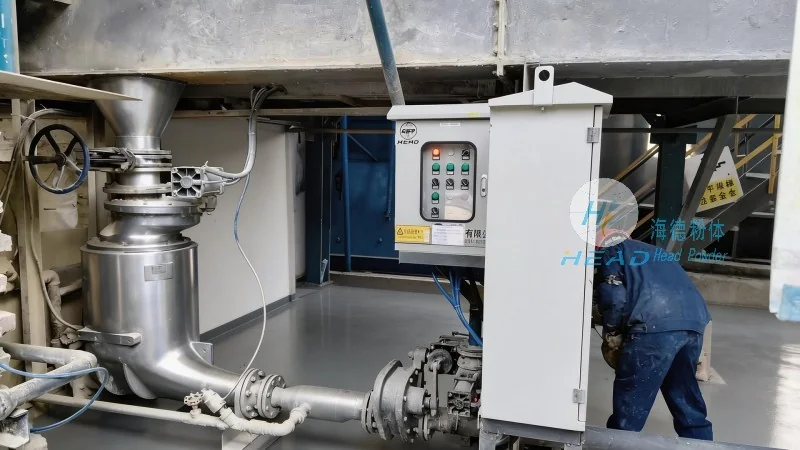
Understanding Metallurgical Coke and Conveying Requirements
Metallurgical coke, also known as coke breeze or coke powder, is produced by the destructive distillation of coal. It is characterized by its high carbon content, low ash and sulfur levels, and porous structure, making it ideal for use in blast furnaces and other metallurgical processes. The material's properties—such as its size distribution, density, and flowability—dictate the most suitable conveying method. Traditional methods like belt conveyors and bucket elevators are often used for bulk materials, but they may face challenges with fine or dusty coke, which can lead to material degradation, equipment wear, and environmental issues. This is where specialized systems like pneumatic conveying become advantageous.
Common Metallurgical Coke Conveying Methods
Several methods are employed for transporting metallurgical coke, each with its own advantages and limitations. The primary options include:
1. Belt Conveyors
Belt conveyors are among the most widely used bulk material handling systems. They consist of a continuous belt that moves over rollers or pulleys, transporting coke from one location to another. Belt conveyors are suitable for long-distance horizontal or slightly inclined transport and can handle large volumes of material. However, they are less effective for fine or dusty coke, as the material can fall through the belt or cause excessive wear on the belt and pulleys. Additionally, belt conveyors require regular maintenance to prevent belt slippage or breakage, and they may not be suitable for vertical transport due to the risk of material spillage.
2. Bucket Elevators
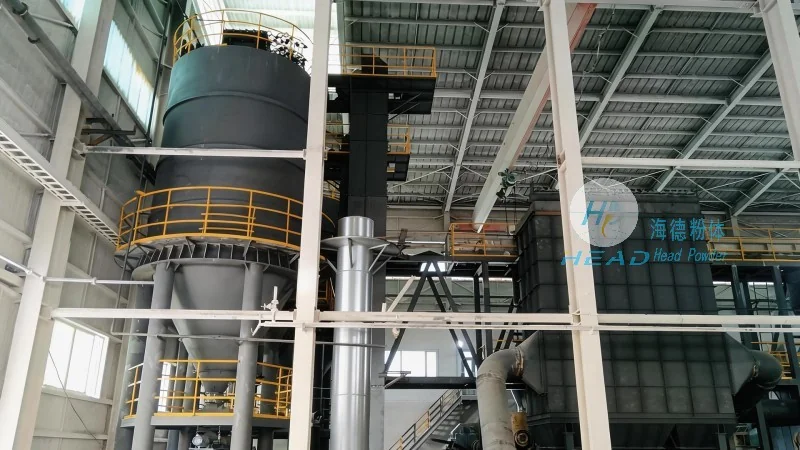
Bucket elevators use a series of buckets attached to a belt or chain to lift and transport coke vertically. This method is ideal for vertical or steeply inclined transport and can handle a wide range of material sizes. Bucket elevators are relatively simple in design and can be installed in confined spaces. However, they have limitations when dealing with fine or cohesive coke, as the material may stick to the buckets or the elevator casing, leading to reduced capacity and increased maintenance. Moreover, bucket elevators are not suitable for horizontal transport and may require additional equipment for material transfer.
3. Screw Conveyors
Screw conveyors, also known as auger conveyors, use a rotating screw to move coke through a tube or trough. This method is suitable for horizontal or slightly inclined transport and can handle fine or cohesive materials. Screw conveyors are compact and can be installed in tight spaces, making them ideal for confined areas. However, they are less effective for large or abrasive coke particles, as the screw and trough can experience significant wear over time. Additionally, screw conveyors may not be suitable for vertical transport due to the risk of material blockage or the need for high torque motors.
4. Pneumatic Conveying Systems
Pneumatic conveying systems use air or other gases to transport coke through a pipeline. This method is particularly effective for fine or dusty coke, as the material is carried by the air stream, reducing wear on equipment and minimizing environmental contamination. Pneumatic conveying systems can be classified into two main types: pressure and vacuum. Pressure systems use compressed air to push the material through the pipeline, while vacuum systems use a vacuum to draw the material into the pipeline. Both types offer advantages for metallurgical coke handling, including high transport speeds, low maintenance requirements, and the ability to handle fine or abrasive materials.
Advantages of Pneumatic Conveying for Metallurgical Coke
Among the various conveying methods, pneumatic conveying stands out as a preferred choice for metallurgical coke due to several key advantages. First, it provides a dust-free and enclosed transport environment, which is crucial for maintaining material quality and reducing environmental impact. The enclosed system prevents coke from being exposed to the air, minimizing oxidation and degradation, which can affect its performance in steelmaking processes. Second, pneumatic conveying offers high transport efficiency and speed, allowing for rapid material transfer between production stages. This can improve overall production throughput and reduce downtime. Third, the system is relatively low maintenance compared to other methods, as it has fewer moving parts and requires less frequent replacement of components. Additionally, pneumatic conveying systems can be easily integrated with other equipment, such as storage silos and processing units, to create a seamless material handling workflow.
Applications of Pneumatic Conveying in Metallurgical Coke Handling
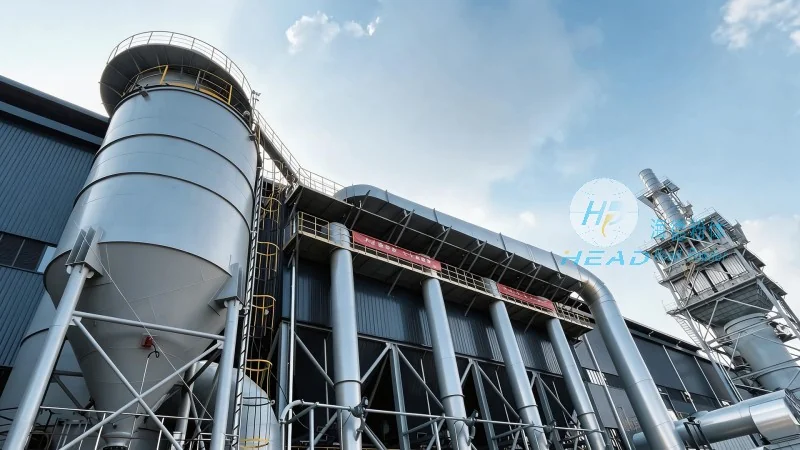
Pneumatic conveying systems are widely used in various applications within the metallurgical industry. For example, they are commonly employed to transport coke from storage silos to the blast furnace or other processing units. The enclosed pipeline system ensures that the material is delivered in a controlled manner, preventing spillage and contamination. Pneumatic conveying is also used in coke processing plants to move fine coke particles from grinding or screening equipment to storage or packaging areas. In addition, the system can be used for vertical transport, such as lifting coke from ground-level storage to elevated processing units, without the need for additional equipment like bucket elevators.
Key Considerations for Pneumatic Conveying Systems
When implementing a pneumatic conveying system for metallurgical coke, several factors must be considered to ensure optimal performance and efficiency. First, the material's properties, such as particle size, density, and flowability, must be carefully evaluated to determine the most suitable system configuration. For example, fine or cohesive coke may require a higher air velocity or a different pipeline design to prevent blockage. Second, the system's capacity and pressure requirements must be matched to the production needs. Overloading the system can lead to reduced efficiency or equipment failure, while underloading may result in unnecessary energy consumption. Third, the system's maintenance and operational costs must be considered. Regular cleaning of the pipeline and filters is essential to prevent material buildup and ensure consistent performance. Additionally, the system should be designed with safety features, such as pressure relief valves and emergency shut-off mechanisms, to prevent accidents and protect personnel.
Conclusion
Metallurgical coke conveying is a critical aspect of steel production, and the choice of conveying method directly impacts operational efficiency and material quality. While traditional methods like belt conveyors and bucket elevators are widely used, pneumatic conveying systems offer significant advantages for handling fine or dusty coke. Shandong HeadPowder Engineering Co., Ltd., with its expertise in bulk material handling solutions, provides high-quality pneumatic conveying systems tailored to the specific needs of metallurgical coke transport. By leveraging advanced technology and careful system design, these systems ensure efficient, safe, and reliable transport of metallurgical coke, contributing to improved production outcomes and reduced operational costs.




