Carbon fiber, a high-performance material widely used in aerospace, automotive, and sports equipment industries, requires efficient and reliable conveying methods to ensure consistent quality and productivity in manufacturing processes. The choice of a suitable conveying system is critical for carbon fiber processing facilities, as it directly impacts material handling efficiency, product integrity, and overall operational costs. Among various options, pneumatic conveying stands out as a preferred method for carbon fiber due to its ability to handle fine powders with minimal particle degradation and contamination.
Overview of Common Carbon Fiber Conveying Methods
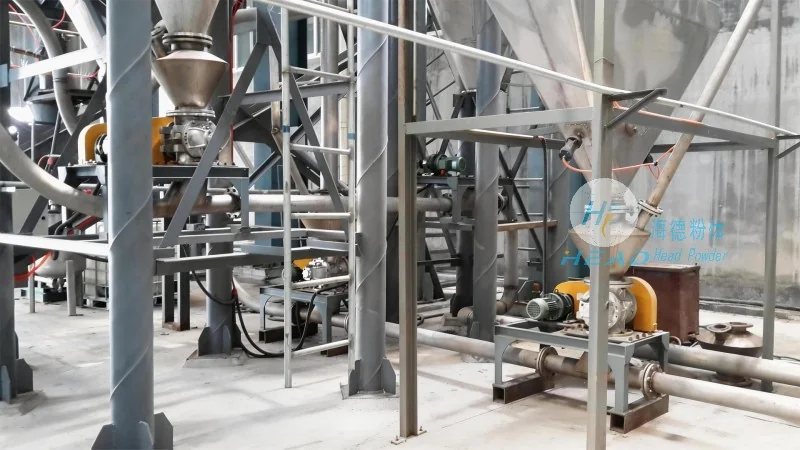
Several conventional methods are employed for transporting carbon fiber, each with distinct characteristics and applications. Traditional gravity conveyors, for instance, rely on the natural flow of material under gravity, often requiring inclined chutes or hoppers. While simple and cost-effective, gravity systems are limited by the material's bulk density and flowability, making them unsuitable for fine or cohesive carbon fiber powders. Mechanical conveyors, such as belt or screw conveyors, use mechanical components to move material. These systems are robust and can handle larger particle sizes, but they may cause abrasion and particle breakage, which is detrimental to the delicate structure of carbon fiber. In contrast, pneumatic conveying systems utilize compressed air to transport material through pipelines, offering a more flexible and controlled approach to handling fine powders.
Introduction to Carbon Fiber Pneumatic Conveying
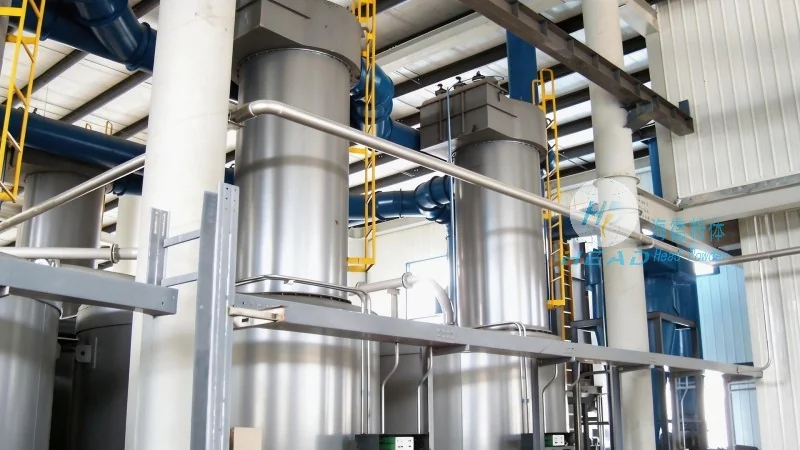
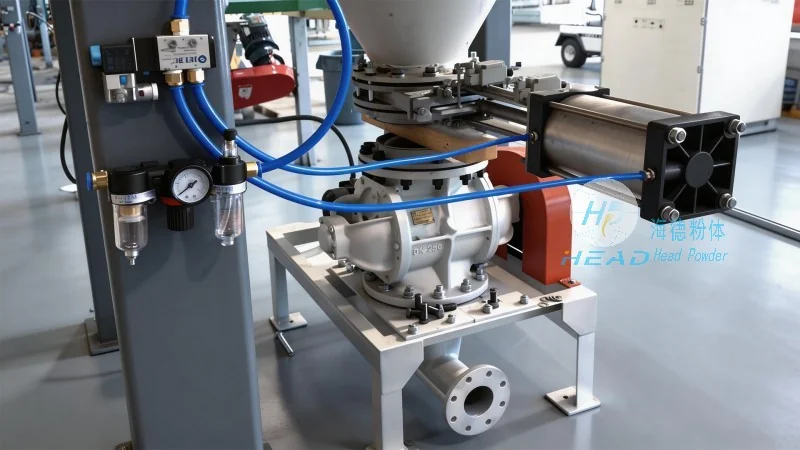
Pneumatic conveying, also known as air conveying, is a technology that uses air pressure to move bulk materials, including carbon fiber powders, through a closed system of pipes. This method is particularly advantageous for carbon fiber due to its ability to maintain particle integrity, minimize dust generation, and provide precise control over material flow. The core components of a pneumatic conveying system typically include a material hopper, a feeder, a conveying line, and a receiver. The process begins with the material being fed from the hopper into the feeder, which regulates the flow rate. Compressed air is then introduced into the system, creating a flow that propels the carbon fiber particles through the pipeline to the destination receiver. There are two main types of pneumatic conveying: pressure and vacuum systems. Pressure systems use positive pressure to push material from the source to the destination, while vacuum systems use negative pressure to pull material. For carbon fiber, pressure systems are often preferred as they can handle higher material loads and are more efficient for long-distance transport.
Advantages of Carbon Fiber Pneumatic Conveying
Carbon fiber pneumatic conveying offers several key advantages over other methods. Firstly, it minimizes material degradation by reducing particle breakage and abrasion, which is crucial for maintaining the mechanical properties of carbon fiber. The enclosed system also prevents contamination from external sources, ensuring the purity of the material. Additionally, pneumatic conveying systems are highly flexible, allowing for easy integration into existing production lines and adaptation to changing production demands. They can handle a wide range of carbon fiber types, from short fibers to long continuous fibers, and can transport materials over significant distances without the need for multiple transfer points. Another significant benefit is the ability to control material flow precisely, which is essential for maintaining consistent product quality in downstream processes. The system's ability to operate in a dust-free environment also enhances workplace safety and reduces the risk of fire hazards associated with fine carbon fiber powders.
HeadPowder's Expertise in Carbon Fiber Conveying Solutions
Shandong HeadPowder Engineering Co., Ltd., a leading provider of material handling solutions, specializes in designing and manufacturing customized pneumatic conveying systems tailored to the unique needs of carbon fiber manufacturers. With years of experience in the industry, HeadPowder understands the challenges associated with handling fine carbon fiber powders and has developed advanced technologies to address these challenges. The company's engineers work closely with clients to assess their specific production requirements, including material characteristics, flow rates, and system layout, to design optimal conveying solutions. HeadPowder's systems are built with high-quality components, such as corrosion-resistant materials and advanced control systems, ensuring long-term reliability and minimal maintenance. The company also provides comprehensive support, including installation, commissioning, and after-sales service, to ensure that clients can fully leverage the benefits of their conveying systems. By partnering with HeadPowder, carbon fiber manufacturers can enhance their operational efficiency, reduce material losses, and improve overall product quality.
Conclusion: Choosing the Right Conveying Method for Carbon Fiber
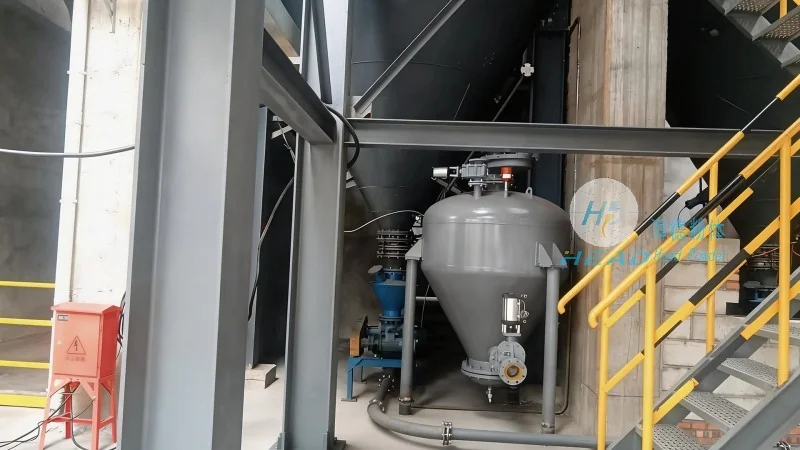
When selecting a conveying method for carbon fiber, it is essential to consider factors such as material properties, production scale, and operational requirements. While gravity and mechanical conveyors may be suitable for certain applications, pneumatic conveying, particularly pressure systems, offers superior performance for fine carbon fiber powders. The ability to maintain particle integrity, minimize contamination, and provide precise control makes pneumatic conveying the preferred choice for many carbon fiber processing facilities. For businesses seeking reliable and efficient carbon fiber conveying solutions, Shandong HeadPowder Engineering Co., Ltd. stands as a trusted partner, offering tailored systems and expert support to meet their material handling needs. By investing in advanced pneumatic conveying technology, carbon fiber manufacturers can optimize their production processes, enhance product quality, and gain a competitive edge in the market.




