When it comes to optimizing copper ore sand transportation in mining operations, the expertise of specialized engineering companies like Shandong HeadPowder Engineering Co., Ltd. (headpowder) is invaluable. With a focus on providing efficient and reliable conveying solutions, headpowder offers advanced pneumatic conveying systems tailored to the unique needs of copper mining projects. This article explores common copper ore sand conveying methods, with a particular emphasis on the benefits and applications of pneumatic conveying, as highlighted by industry leaders like headpowder.
Overview of Copper Ore Sand Conveying Methods
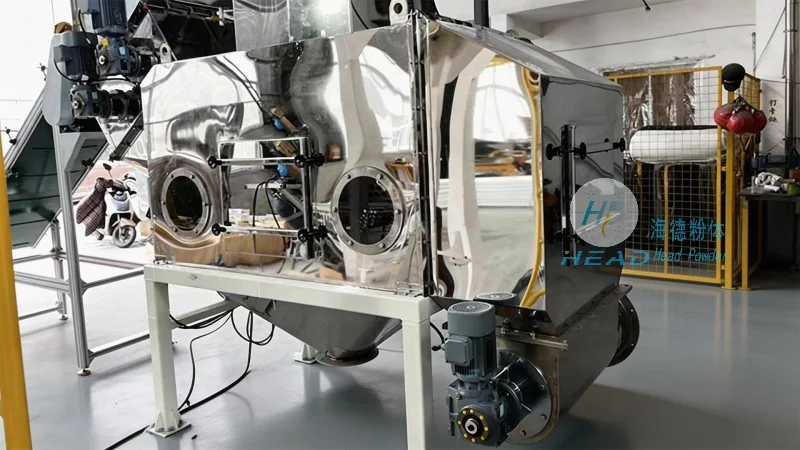
There are several established methods for transporting copper ore sand, each with its own set of advantages and limitations. The primary options include mechanical conveyors, such as belt conveyors and screw conveyors, and pneumatic conveying systems. Mechanical conveyors are often used for short to medium distances and handle bulk materials efficiently. However, they may require significant space and can be less flexible in terms of layout changes. Pneumatic conveying, on the other hand, offers advantages in terms of flexibility, cleanliness, and the ability to transport materials over longer distances without the need for extensive infrastructure.
Introduction to Pneumatic Conveying for Copper Ore Sand
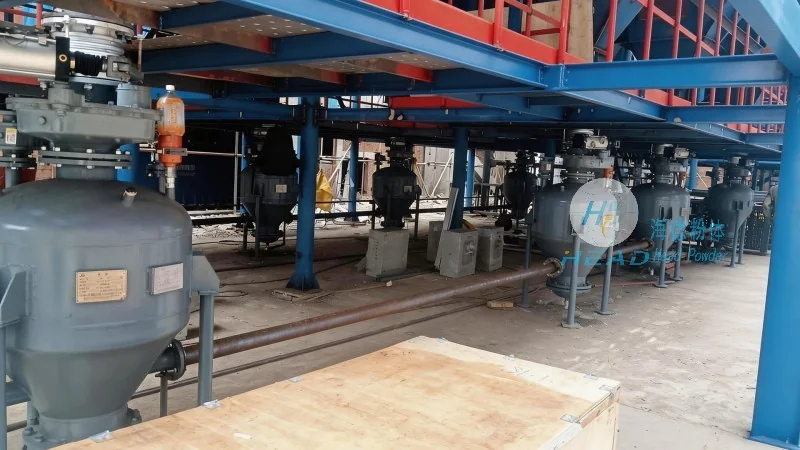
Pneumatic conveying, also known as air conveying, uses pressurized or vacuum air to transport solid materials like copper ore sand through a pipeline system. This method is particularly suitable for copper ore sand due to its ability to handle fine to medium-sized particles and its effectiveness in maintaining material integrity during transport. The system typically consists of a material feed hopper, a conveyor line, and a discharge point, with air being supplied by a blower or vacuum pump. Pneumatic conveying can be categorized into two main types: pressure and vacuum systems. Pressure systems use positive pressure to push material through the pipeline, while vacuum systems use negative pressure to draw material in.
Advantages of Pneumatic Conveying for Copper Ore Sand
One of the key advantages of pneumatic conveying for copper ore sand is its ability to transport materials in a closed system, which helps prevent dust emissions and contamination. This is especially important in environments where air quality regulations are strict. Additionally, pneumatic systems can handle materials with high moisture content or sticky properties, which may be challenging for mechanical conveyors. The flexibility of pneumatic conveying allows for easy integration into existing mining operations and the ability to change the direction of material flow without major modifications. Another advantage is the reduced need for maintenance compared to mechanical systems, as there are fewer moving parts involved.
Applications of Pneumatic Conveying in Copper Ore Processing
Pneumatic conveying is widely used in various stages of copper ore processing, from crushing and grinding to concentration and storage. In the crushing and grinding stage, pneumatic systems can transport crushed ore from the crusher to the grinding mill. This is particularly useful when the distance between the crusher and the mill is significant, as mechanical conveyors may not be feasible. During the concentration process, pneumatic conveying can transport copper concentrate from the flotation plant to storage or for further processing. The ability to handle fine particles efficiently makes it ideal for transporting products from the concentration stage. In storage facilities, pneumatic conveying can be used to move copper ore sand from storage silos to processing equipment, ensuring a continuous supply of material.
Key Considerations for Implementing Pneumatic Conveying Systems
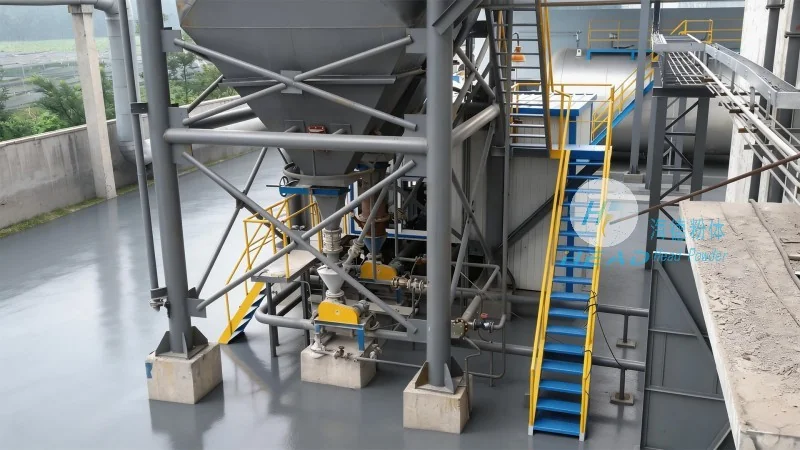
When implementing a pneumatic conveying system for copper ore sand, several factors need to be considered to ensure optimal performance. The first is the material characteristics, including particle size, density, and moisture content. These factors affect the air velocity required and the system's capacity. The second is the distance and layout of the conveying line, as longer distances may require higher air pressure or more powerful blowers. The third is the system's capacity, which must be matched to the production rate of the mining operation. Additionally, the system's maintenance requirements and the availability of spare parts should be evaluated. It is also important to consider the environmental impact, as proper filtration and dust control measures are necessary to comply with regulations.
Conclusion: Choosing the Right Conveying Method for Copper Ore Sand
Choosing the appropriate conveying method for copper ore sand is a critical decision that impacts the efficiency and sustainability of mining operations. While mechanical conveyors are reliable for certain applications, pneumatic conveying offers significant advantages in terms of flexibility, cleanliness, and material handling capabilities. For many copper mining operations, especially those dealing with fine particles or requiring long-distance transport, pneumatic conveying is the preferred solution. By understanding the advantages and considerations of each method, mining companies can select the most suitable system to meet their specific needs and optimize their production processes.




