Iron ore powder, a critical raw material in modern metallurgical and industrial processes, requires efficient and reliable conveying systems to ensure smooth production flow. The choice of conveying method significantly impacts operational efficiency, material quality, and overall cost-effectiveness. This article explores common iron ore powder conveying methods, with a particular focus on pneumatic conveying, which has become a preferred solution for many industries due to its versatility and effectiveness.
About Shandong HeadPowder Engineering Co., Ltd.
Shandong HeadPowder Engineering Co., Ltd., a leading provider in the field of bulk material handling solutions, specializes in designing and manufacturing advanced conveying systems tailored to the unique needs of iron ore processing facilities. With a strong commitment to innovation and quality, the company has established itself as a trusted partner for businesses seeking efficient and durable iron ore powder handling solutions. HeadPowder’s expertise lies in understanding the challenges of iron ore transportation and developing customized systems that enhance productivity while minimizing operational risks. Based in Shandong, China, the company leverages local manufacturing capabilities and global market insights to deliver cutting-edge solutions that meet the highest industry standards.
Common Iron Ore Powder Conveying Methods
Several methods are employed for transporting iron ore powder, each with distinct advantages and applications. The primary options include mechanical conveying systems, such as belt conveyors and screw conveyors, and pneumatic conveying systems. Mechanical systems are often used for short-distance or bulk material transport, while pneumatic systems excel in handling fine powders over longer distances with minimal material degradation. Understanding the characteristics of iron ore powder—such as its particle size, moisture content, and flowability—is essential in selecting the most appropriate conveying method.
Pneumatic Conveying: A Detailed Overview
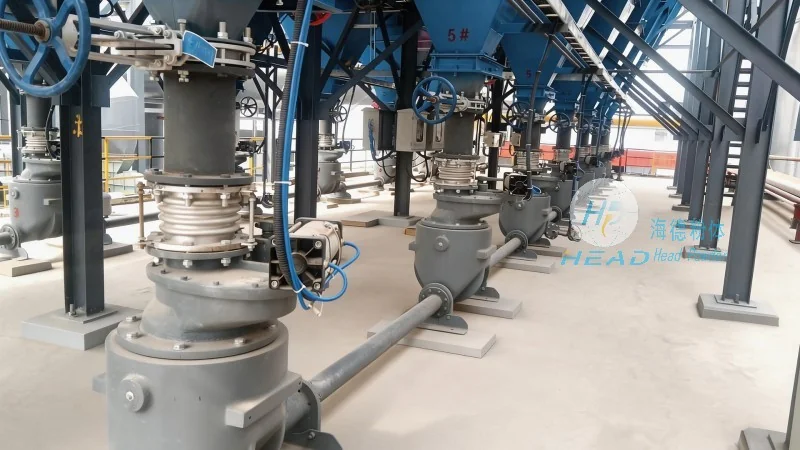
Pneumatic conveying, also known as air conveying, is a method that uses compressed air to transport iron ore powder through a pipeline. This technology offers several advantages, including the ability to handle fine powders without the need for additional equipment like buckets or buckets. Pneumatic systems are particularly effective for iron ore powder due to its low bulk density and tendency to create dust, which can be efficiently managed within the system. There are two main types of pneumatic conveying: pressure and vacuum systems. Pressure systems use compressed air to push the material through the pipeline, while vacuum systems create a negative pressure to draw the material in. For iron ore powder, pressure systems are more commonly used as they provide better control over material flow and reduce the risk of clogging.
Key Components of Pneumatic Conveying Systems
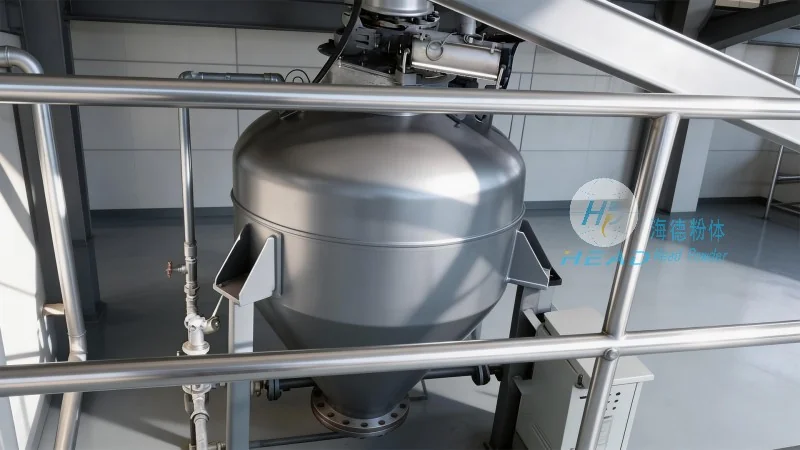
A pneumatic conveying system for iron ore powder typically consists of several key components. The primary components include a hopper or storage bin for material storage, a feeder to control the flow rate, a blower or compressor to generate the necessary air pressure, a pipeline network to transport the material, and a receiver or discharge point for the material. The hopper is designed to maintain a consistent material level and prevent dust generation during storage. The feeder, often a rotary valve or screw feeder, regulates the amount of material released into the system, ensuring smooth and controlled flow. The blower or compressor provides the energy needed to move the material through the pipeline, with pressure levels typically ranging from 0.5 to 2 bar for pressure systems. The pipeline network is constructed from materials resistant to corrosion and abrasion, such as stainless steel or special alloys, to withstand the abrasive nature of iron ore powder. The receiver is equipped with a dust collection system to capture any particles that may escape during discharge, ensuring environmental compliance and material recovery.
Advantages of Pneumatic Conveying for Iron Ore Powder
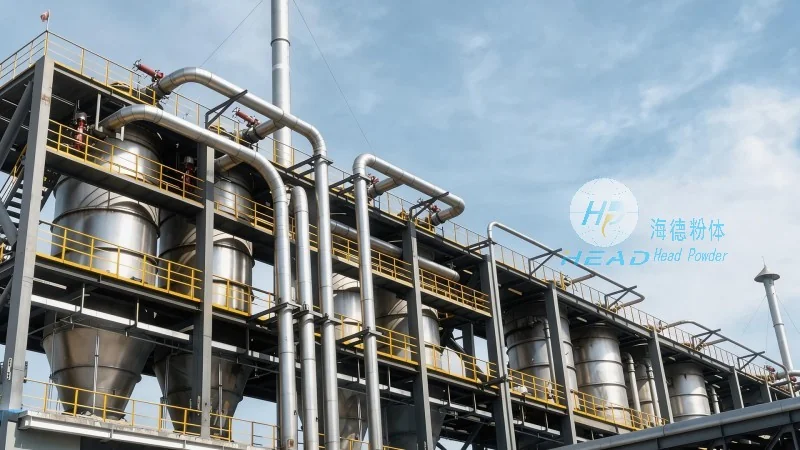
Compared to mechanical conveying systems, pneumatic conveying offers several advantages that make it an ideal choice for iron ore powder handling. One of the most significant benefits is the ability to transport fine powders over long distances without the need for intermediate transfer points. This reduces the risk of material degradation and loss, which is critical for maintaining product quality. Pneumatic systems also provide better control over material flow, allowing for precise regulation of the conveying rate. This is particularly important in processes where the material is used in subsequent stages, such as in the production of steel or other metallurgical products. Additionally, pneumatic conveying systems are more compact and require less floor space compared to mechanical systems, making them suitable for facilities with limited space. The enclosed nature of the system also helps in controlling dust and preventing environmental contamination, which is a major concern in iron ore processing.
Considerations for Implementing Pneumatic Conveying
While pneumatic conveying offers numerous benefits, there are several factors to consider when implementing such a system for iron ore powder. The first consideration is the material characteristics, as different types of iron ore powder may have varying particle sizes, moisture content, and flowability. These factors can affect the system’s performance and require adjustments to the design. For example, finer powders may require higher air velocities to prevent clogging, while coarser materials may need larger pipelines to ensure smooth flow. Another important consideration is the system’s capacity and throughput, which must be matched to the production requirements of the facility. Overloading the system can lead to reduced efficiency and increased energy consumption. The choice of blower or compressor also plays a critical role, as different models offer varying pressure and flow rates. It is essential to select equipment that can handle the specific demands of the iron ore powder being transported. Additionally, maintenance and operational costs must be considered, as pneumatic systems require regular cleaning and maintenance to prevent wear and tear. Proper training of operators is also crucial to ensure the system operates efficiently and safely.




