When it comes to handling and transporting glutinous rice starch, selecting the right conveying method is crucial for maintaining product quality, efficiency, and operational safety. Various options are available, each with its own set of advantages and considerations. This article explores common conveying methods used in the industry, with a focus on pneumatic conveying as a key solution for handling glutinous rice starch effectively.
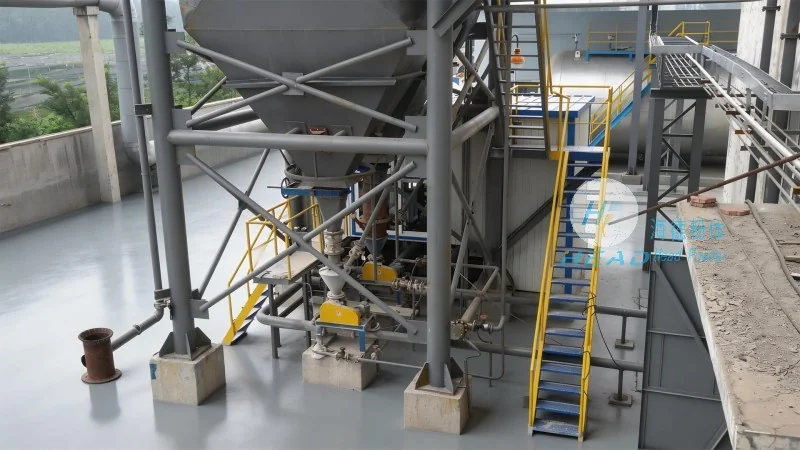
Pneumatic Conveying: A Preferred Solution for Glutinous Rice Starch
HeadPowder, a leading provider of material handling solutions, specializes in pneumatic conveying systems tailored for the unique properties of glutinous rice starch. Pneumatic conveying uses air or gas to transport dry bulk materials like starch through a pipeline system. This method offers several benefits, including the ability to handle fine powders without the need for mechanical components that might cause contamination or degradation. The system typically consists of a hopper, a conveyor line, and a receiver, with air being introduced to create a flow of the material. For glutinous rice starch, which is often sensitive to moisture and temperature changes, pneumatic conveying can be designed to minimize exposure to external factors, ensuring product integrity throughout the process.
Advantages of Pneumatic Conveying for Glutinous Rice Starch
One of the primary advantages of pneumatic conveying is its ability to transport materials over long distances with minimal loss. This is particularly important for glutinous rice starch, which may be transported from storage silos to processing facilities or packaging lines. The system can also be integrated with other equipment, such as mixers or classifiers, to streamline production processes. Additionally, pneumatic conveying reduces the risk of product contamination compared to mechanical systems, as there are no moving parts that come into direct contact with the starch. This is critical for maintaining the quality and safety of the final product, especially in food applications where purity is paramount.
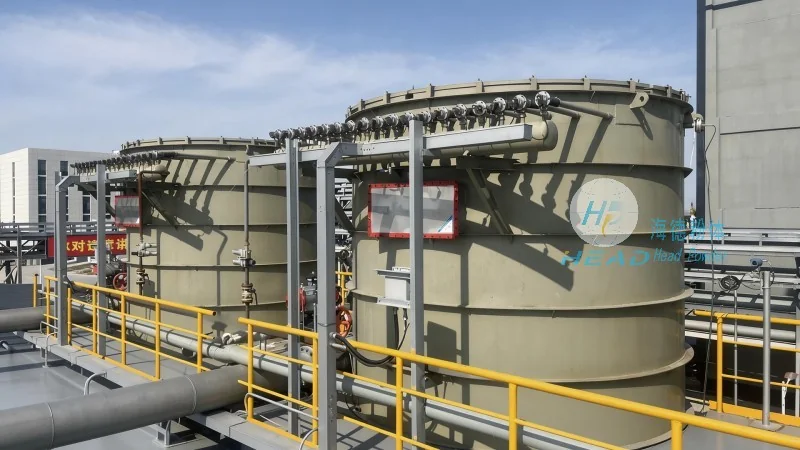
Design Considerations for Pneumatic Conveying Systems
When designing a pneumatic conveying system for glutinous rice starch, several factors must be considered to ensure optimal performance. The first is the particle size and moisture content of the starch, as these affect the air velocity required for effective transport. HeadPowder engineers carefully analyze these parameters to determine the appropriate air pressure and flow rates. Another key consideration is the system's capacity, which must match the production volume of the facility. The system may include features such as cyclones or filters to separate the starch from the air, preventing dust accumulation and ensuring compliance with environmental regulations. The materials used in the construction of the conveying lines and components are also critical, as they must be resistant to the acidic or alkaline properties of the starch and any additives used in processing.
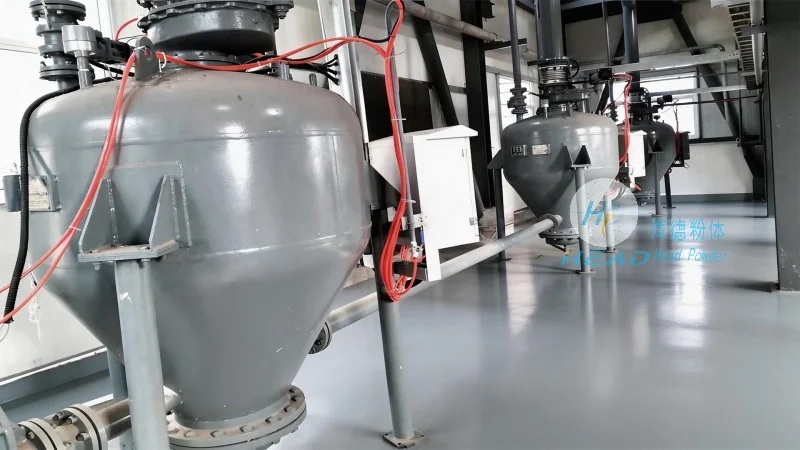
Applications of Pneumatic Conveying in Glutinous Rice Starch Handling
Pneumatic conveying systems are widely used in various applications involving glutinous rice starch. For example, in food processing plants, the system can transport starch from storage to mixing tanks, where it is combined with other ingredients to create products like noodles or pastries. In industrial applications, such as the production of starch-based adhesives or films, pneumatic conveying ensures a consistent feed rate to the processing equipment. The flexibility of pneumatic conveying also allows for easy integration with automated systems, reducing labor costs and improving overall efficiency. HeadPowder's expertise in customizing these systems ensures that clients receive solutions that are tailored to their specific needs, whether they are handling small batches or large-scale production.
Conclusion: Choosing the Right Conveying Method for Glutinous Rice Starch
For businesses dealing with glutinous rice starch, selecting the appropriate conveying method is essential for maintaining product quality and operational efficiency. Pneumatic conveying, as highlighted by HeadPowder, offers a reliable and effective solution that addresses the unique challenges of handling this material. By understanding the advantages and design considerations of pneumatic conveying, companies can make informed decisions that enhance their production processes and ensure compliance with industry standards. As a trusted provider of material handling solutions, HeadPowder continues to innovate and provide tailored systems that meet the evolving needs of the glutinous rice starch industry.




