Plastic powder handling and transportation is a critical aspect of industrial operations, especially in sectors such as plastics manufacturing, chemical processing, and material handling. The efficiency and reliability of conveying systems directly impact production throughput, product quality, and operational costs. Among the various methods available, pneumatic conveying stands out as a versatile and effective solution for transporting plastic powders. This article explores common plastic powder conveying methods, with a focus on the advantages and applications of pneumatic conveying systems.
Introduction to Plastic Powder Conveying Systems
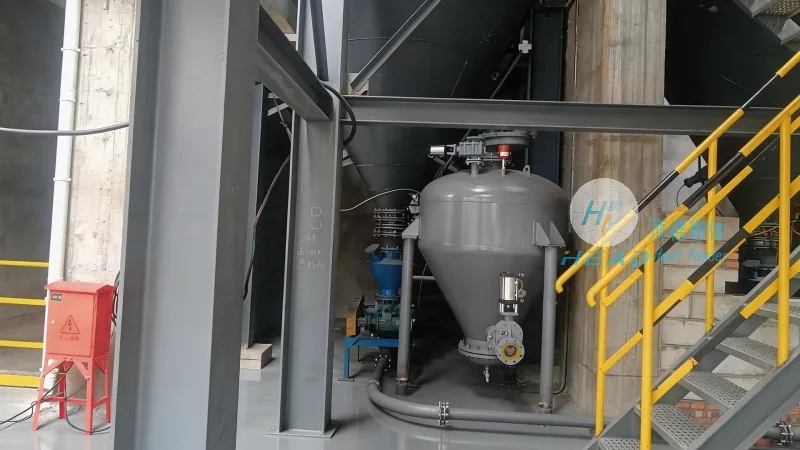
Plastic powders, due to their fine particle size and sometimes hygroscopic nature, require specialized handling to prevent agglomeration, contamination, and loss during transport. Traditional methods like bucket elevators or belt conveyors may not be suitable for fine powders as they can lead to material degradation, increased friction, and higher maintenance costs. Pneumatic conveying, on the other hand, uses air or gas to move plastic powders through a pipeline system, offering a more controlled and efficient approach. The choice of conveying method depends on factors such as material properties, distance, flow rate, and environmental considerations.
Common Plastic Powder Conveying Methods
Several methods are employed for transporting plastic powders, each with its own set of advantages and limitations. The primary categories include mechanical conveying and pneumatic conveying. Mechanical conveying methods, such as screw conveyors and belt conveyors, are widely used for bulk material handling but may not be ideal for fine plastic powders due to the risk of material degradation and blockages. In contrast, pneumatic conveying systems are specifically designed to handle fine powders with minimal risk of degradation and offer greater flexibility in terms of layout and distance.
Pneumatic Conveying for Plastic Powders: How It Works
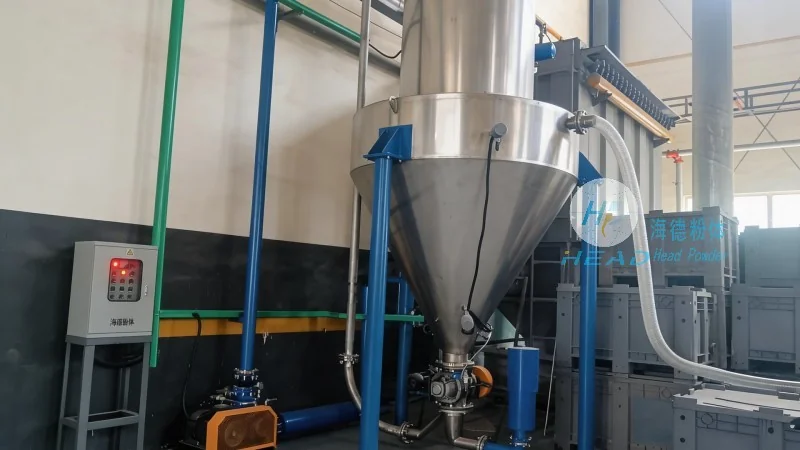
Pneumatic conveying operates by creating a pressure differential within a pipeline system. The system typically consists of a hopper, a blower or compressor, a pipeline network, and a receiver. The plastic powder is fed into the hopper, and the blower generates a flow of air that draws the powder into the pipeline. The powder is then transported through the pipeline to the receiver, where it is discharged. There are two main types of pneumatic conveying systems: pressure and vacuum. Pressure systems use positive pressure to push the powder through the pipeline, while vacuum systems use negative pressure to pull the powder. The selection between pressure and vacuum depends on the distance, material properties, and system layout.
Advantages of Pneumatic Conveying for Plastic Powders
Compared to other conveying methods, pneumatic conveying offers several advantages for plastic powders. First, it minimizes material degradation by reducing friction and impact during transport. Fine powders are less likely to agglomerate or degrade when conveyed pneumatically, preserving their quality and performance. Second, pneumatic systems are highly flexible, allowing for complex layouts and multiple destinations. This flexibility is particularly beneficial in industrial settings where space is limited or where material needs to be distributed to multiple locations. Third, pneumatic conveying is more hygienic and easier to clean compared to mechanical systems, which is crucial in food and pharmaceutical applications. Additionally, pneumatic systems can handle a wide range of particle sizes and densities, making them suitable for various plastic powders.
Applications of Pneumatic Conveying in Plastic Manufacturing
Pneumatic conveying is widely used in the plastic manufacturing industry for various applications. One common application is the transport of raw plastic powders from storage silos to processing equipment, such as extruders or mixers. This ensures a continuous and consistent supply of material, improving production efficiency. Another application is the transfer of finished plastic powders from production lines to packaging or storage areas. Pneumatic systems can also be used for blending different plastic powders to achieve the desired composition, which is essential for customizing product properties. In addition, pneumatic conveying is used in quality control processes, where powders are sampled and analyzed for properties like moisture content and particle size distribution.
HeadPowder's Expertise in Plastic Powder Conveying Solutions
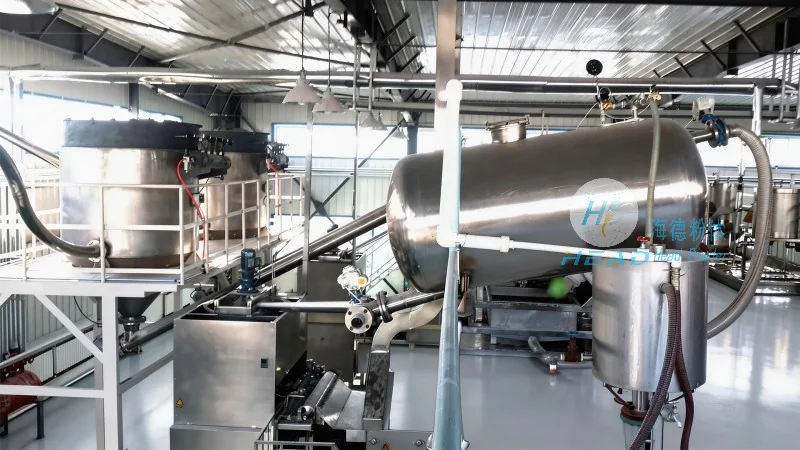
Shandong HeadPowder Engineering Co., Ltd., commonly known as HeadPowder, is a leading provider of customized plastic powder conveying solutions. With years of experience in the industry, HeadPowder specializes in designing and manufacturing pneumatic conveying systems tailored to the specific needs of plastic manufacturers. The company's team of engineers and technicians works closely with clients to understand their operational requirements and material characteristics, ensuring that the chosen system meets all performance and safety standards. HeadPowder's solutions are designed to optimize material flow, minimize downtime, and reduce operational costs. The company's commitment to quality and innovation has made it a trusted partner for many leading plastic manufacturers worldwide.
Conclusion: Choosing the Right Conveying Method for Plastic Powders
When selecting a conveying method for plastic powders, it is essential to consider the material properties, operational requirements, and cost implications. While mechanical conveying methods are suitable for some applications, pneumatic conveying offers superior performance and flexibility for fine plastic powders. By understanding the advantages and applications of each method, manufacturers can make informed decisions that enhance productivity and product quality. For those seeking reliable and efficient plastic powder conveying solutions, HeadPowder provides expert guidance and customized systems that meet the highest industry standards.




