HeadPowder, a leading manufacturer based in Shandong, China, specializes in the design, development, and production of advanced pneumatic conveying systems tailored for handling steel and limestone materials. This article delves into the fundamental principles of such equipment and explores the key characteristics of its operational scenarios, providing a comprehensive overview for industry professionals seeking efficient material transport solutions.
Understanding the Core Principles of Pneumatic Conveying for Steel and Limestone
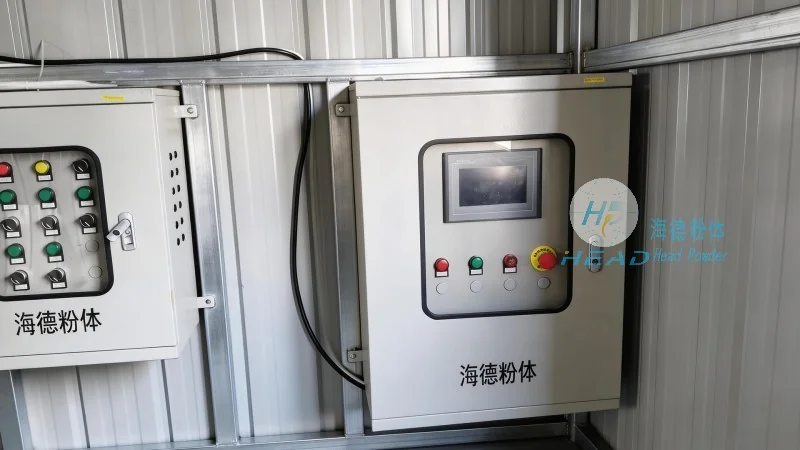
The pneumatic conveying system for steel and limestone materials operates on the principle of using compressed air to transport bulk materials through a pipeline network. Unlike traditional mechanical conveying methods, this technology relies on the dynamic interaction between the material particles and the air stream, enabling seamless movement from the source to the destination. The system typically consists of several critical components, including a material feeder, a blower or compressor, a pipeline system, and a discharge device. The material feeder ensures a consistent flow of steel or limestone into the system, while the blower generates the necessary air pressure to propel the particles through the pipeline. The pipeline network, often made of durable materials like stainless steel or special alloys, is designed to withstand the abrasive nature of these materials and maintain efficient air flow. The discharge device then collects the material at the end of the conveying line, completing the transport process. This integrated approach ensures high efficiency and minimal material loss during transit.
Key Working Scene Characteristics of Pneumatic Conveying Equipment
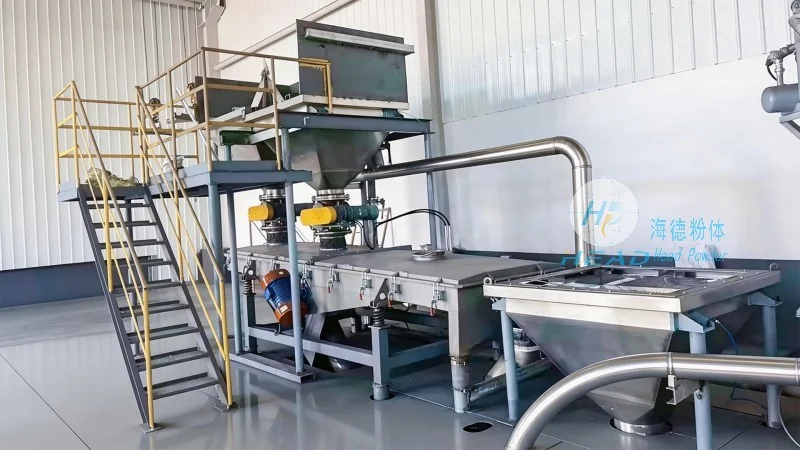
The operational scenarios for pneumatic conveying equipment in steel and limestone applications exhibit distinct characteristics that influence system design and performance. One primary characteristic is the need to handle abrasive and heavy materials, which requires robust construction and specialized components to prevent wear and tear. The equipment must be capable of withstanding the mechanical stress and chemical interactions associated with these materials, ensuring long-term reliability and minimal maintenance. Another critical aspect is the variability in material properties, such as particle size, density, and moisture content, which can affect the air flow and conveying efficiency. Advanced control systems are often integrated into the equipment to adapt to these variations, maintaining consistent performance under different operational conditions. Additionally, the working environment, including temperature fluctuations and dust generation, necessitates the use of sealed and dust-tight designs to protect both the equipment and the surrounding areas. These characteristics highlight the importance of customizing the pneumatic conveying system to meet the specific demands of each industrial application, ensuring optimal performance and safety.
Applications and Benefits in Industrial Settings
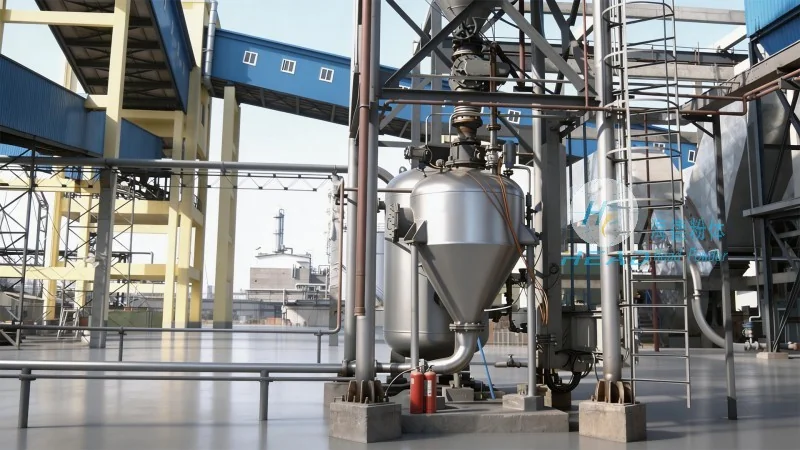
Pneumatic conveying equipment for steel and limestone materials finds extensive applications across various industrial sectors, including steel production, mining, and chemical processing. In steel mills, for example, the system is used to transport limestone, a crucial flux material, from storage silos to the blast furnace, ensuring a steady supply of raw materials for the smelting process. The benefits of this technology in such applications include reduced labor costs, minimized material handling time, and enhanced safety by eliminating manual handling of heavy and abrasive materials. In mining operations, the equipment is employed to transport limestone or other bulk materials from mining sites to processing facilities, improving operational efficiency and reducing transportation costs. The benefits also extend to environmental considerations, as pneumatic conveying systems can minimize dust emissions and improve air quality compared to traditional methods. Furthermore, the flexibility of the system allows for easy integration with existing industrial infrastructure, making it a cost-effective solution for upgrading or expanding material handling capabilities. These applications and benefits underscore the importance of pneumatic conveying equipment as a reliable and efficient solution for handling steel and limestone materials in modern industrial settings.




