Silica powder, a widely used material in various industries such as construction, electronics, and chemical manufacturing, often requires efficient and reliable transportation methods. Traditional methods like manual handling or mechanical conveyors may face challenges in maintaining product quality, especially when dealing with fine powders that are prone to dust, caking, or contamination. Pneumatic conveying systems offer a solution by utilizing air to transport silica powder through a network of pipes, providing a closed-loop system that minimizes environmental impact and ensures product integrity.
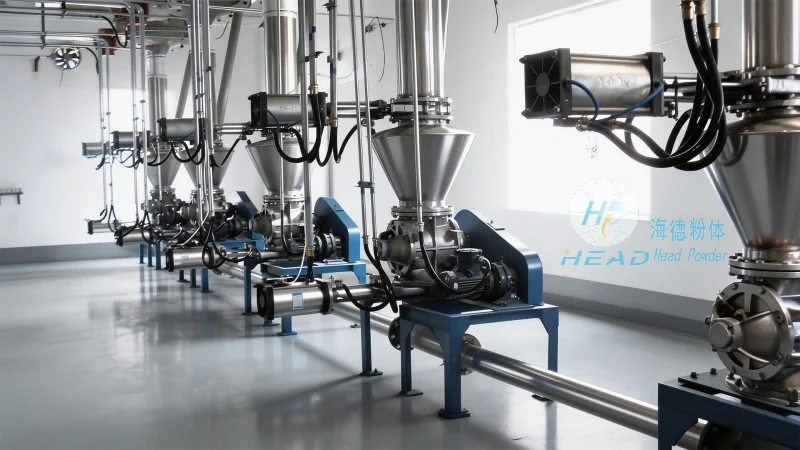
HeadPowder: A Leading Provider of Pneumatic Conveying Solutions
Shandong HeadPowder Engineering Co., Ltd., commonly known as HeadPowder, is a professional manufacturer and supplier specializing in pneumatic conveying systems tailored for silica powder and other fine materials. With its headquarters in Shandong, China, HeadPowder leverages years of industry experience to design, manufacture, and install customized solutions that meet the specific needs of clients across different sectors. The company’s commitment to quality, innovation, and customer satisfaction has established it as a trusted partner in the material handling industry.
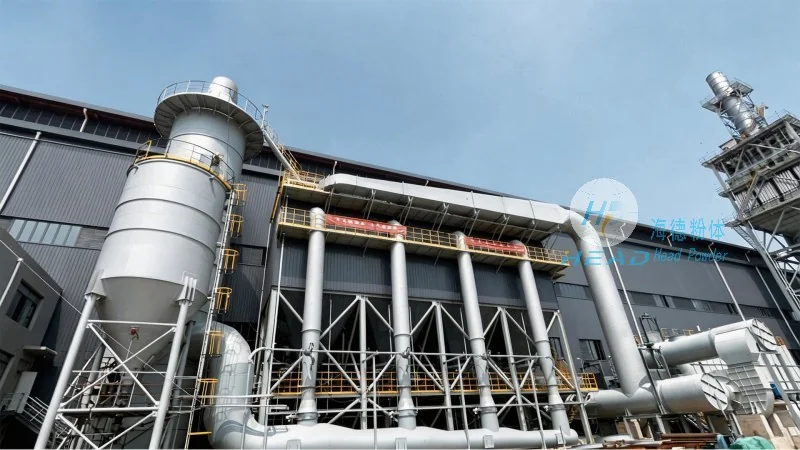
Principle of Pneumatic Conveying for Silica Powder
The core principle of a pneumatic conveying system for silica powder involves the use of compressed air to create a flow that propels the powder particles through a pipeline. There are two main types of pneumatic conveying systems: positive pressure and negative pressure. Positive pressure systems use a blower to force air and powder into the pipeline, while negative pressure systems use a vacuum to draw the material into the system. For silica powder, which is typically fine and light, positive pressure systems are often preferred due to their ability to handle high volumes and maintain consistent flow rates. The system design includes components such as feeders, air locks, filters, and separation units to ensure efficient and safe operation.
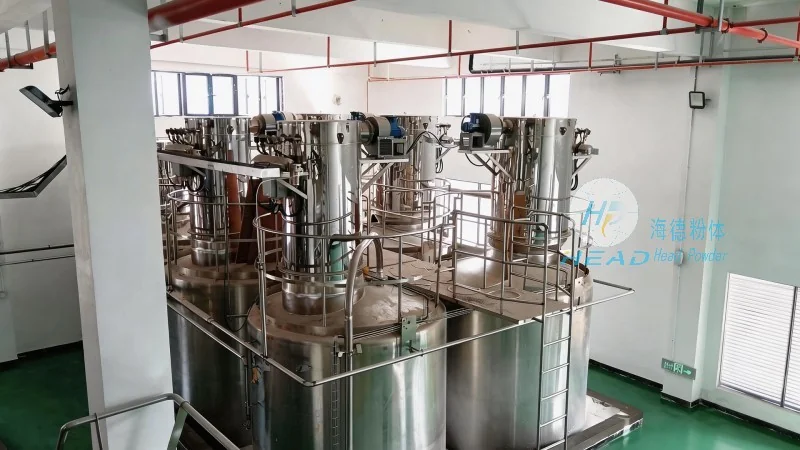
Key Working Scene Characteristics
The working scene characteristics of silica powder pneumatic conveying systems vary based on the application and operational environment. In industrial settings, these systems are commonly used in factories, warehouses, and processing plants where silica powder is produced, processed, or used as an ingredient. The systems are designed to integrate seamlessly with existing production lines, reducing downtime and improving overall operational efficiency. For example, in the construction industry, silica powder is used in the production of concrete additives and insulation materials, and the pneumatic conveying system ensures that the powder is delivered to mixing stations without loss or contamination. In the electronics industry, silica powder is used in the manufacturing of semiconductor components, and the system’s ability to maintain a clean, dust-free environment is critical to preventing product defects.
Advantages of Silica Powder Pneumatic Conveying Systems
Compared to traditional conveying methods, pneumatic conveying systems offer several advantages for silica powder handling. First, they provide a closed-loop system that minimizes dust emissions and environmental pollution, which is essential for compliance with industrial regulations and maintaining a safe working environment. Second, the system’s ability to handle fine powders without caking or agglomeration ensures consistent product quality and reduces the need for additional processing steps. Third, the compact design of the system allows for easy installation and integration into existing facilities, saving space and reducing capital costs. Additionally, the system’s automation features, such as variable speed drives and pressure sensors, enable real-time monitoring and control, enhancing operational reliability and reducing maintenance requirements.
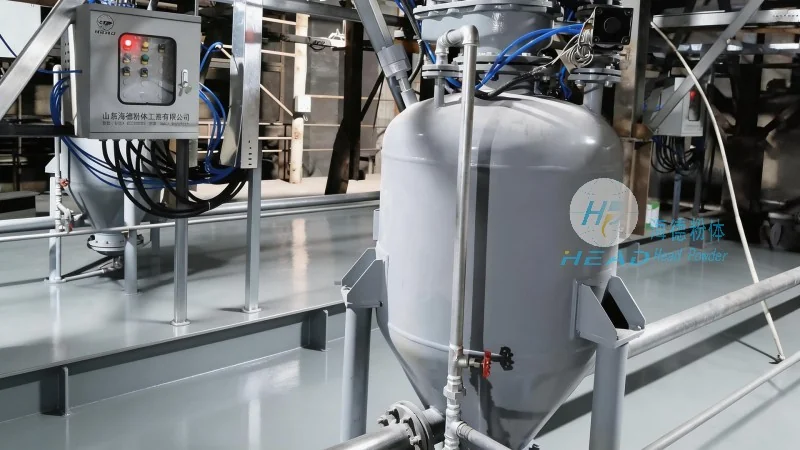
Customization and Application Flexibility
HeadPowder understands that each client’s needs are unique, and therefore, the company offers customized pneumatic conveying solutions tailored to specific requirements. The systems can be designed to handle different particle sizes, flow rates, and pressure levels, ensuring optimal performance for various silica powder applications. For instance, in high-volume production facilities, the system may include multiple pipelines and parallel feeders to increase throughput, while in smaller-scale operations, a single-line system with a compact blower unit may be sufficient. The company’s engineering team works closely with clients to assess their operational needs, provide technical recommendations, and deliver systems that meet their budget and performance expectations.




