Efficient and reliable cement particle conveying is a critical aspect of modern industrial operations, particularly in the construction and manufacturing sectors. The choice of conveying method significantly impacts production efficiency, cost-effectiveness, and operational safety. This article provides a detailed comparison of common cement particle conveying methods, highlighting their advantages and disadvantages to assist industry professionals in selecting the most suitable solution for their specific needs.
Overview of Cement Particle Conveying Methods
Cement particle conveying involves the movement of bulk cement from one location to another within a facility or between different stages of a production process. Several methods are widely used, each with distinct characteristics and applications. The primary methods include pneumatic conveying, screw conveyors, belt conveyors, and bucket elevators. Understanding the strengths and weaknesses of each method is essential for optimizing material handling systems.
Pneumatic Conveying: Advantages and Disadvantages
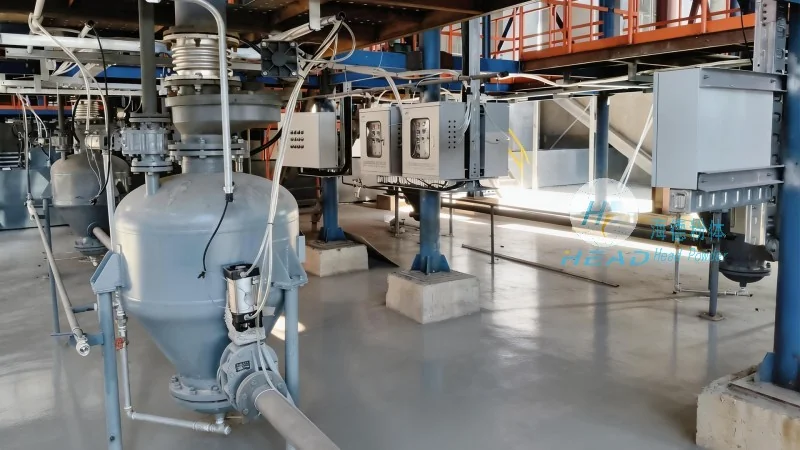
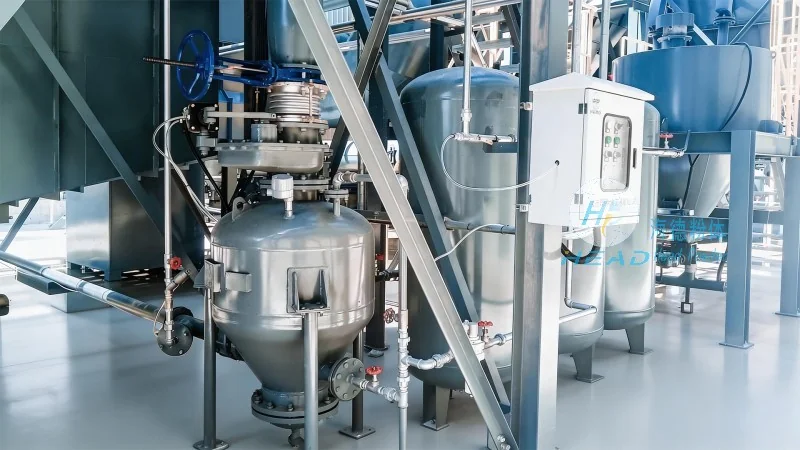
Pneumatic conveying, also known as air conveying, utilizes compressed air to transport cement particles through a pipeline system. This method is highly effective for long-distance and high-volume material transport. One of the key advantages of pneumatic conveying is its ability to handle fine and dusty materials without the need for additional equipment like hoppers or chutes. It also allows for enclosed systems, which help in controlling dust and improving workplace safety. However, pneumatic conveying has some notable disadvantages. The initial investment cost is relatively high due to the requirement of air compressors and specialized pipelines. Additionally, it may not be suitable for very coarse or abrasive cement particles, as this can lead to increased wear and tear on the system components. Maintenance costs can also be higher compared to other methods, especially if the system experiences frequent blockages or air leaks.
Screw Conveyors: Advantages and Disadvantages
Screw conveyors, also known as auger conveyors, use a rotating helical screw to move cement particles along a trough. This method is widely used for horizontal or slightly inclined transport of bulk materials. A significant advantage of screw conveyors is their simplicity and low maintenance requirements. They are relatively inexpensive to install and operate, making them a cost-effective solution for many applications. Screw conveyors also provide a continuous and uniform flow of material, which is beneficial for processes that require consistent feed rates. However, screw conveyors have limitations. They are not suitable for very fine or powdery cement particles, as these can lead to excessive wear on the screw and trough. Additionally, they may not be effective for vertical or steeply inclined transport, as the material can become stuck or the system can experience high frictional forces. The design of screw conveyors also limits their capacity compared to other methods, making them less suitable for high-volume applications.
Belt Conveyors: Advantages and Disadvantages
Belt conveyors use a continuous belt to transport cement particles horizontally or at a slight incline. This method is commonly used in bulk material handling systems, particularly in the mining and construction industries. One of the main advantages of belt conveyors is their high capacity and ability to transport large volumes of material over long distances. They are also relatively simple to operate and maintain, with minimal moving parts. Belt conveyors can handle a wide range of materials, including coarse and abrasive cement particles, without significant wear. However, belt conveyors have some drawbacks. They require a significant amount of space for installation, which may not be feasible in compact facilities. The system is also susceptible to belt slip or breakage, especially under heavy loads or when transporting abrasive materials. Additionally, the initial cost of a belt conveyor system is higher compared to other methods, and regular inspection and replacement of the belt are necessary to ensure optimal performance.
Bucket Elevators: Advantages and Disadvantages
Bucket elevators use a series of buckets attached to a chain or belt to lift cement particles vertically or at a steep incline. This method is ideal for vertical transport of bulk materials and is commonly used in cement plants and other industrial facilities. A key advantage of bucket elevators is their high vertical lifting capacity, allowing for efficient transport of material from ground level to elevated storage or processing areas. They are also capable of handling coarse and abrasive cement particles without excessive wear. Bucket elevators are relatively simple in design and require minimal maintenance, making them a reliable solution for vertical material transport. However, bucket elevators have limitations. They are not suitable for horizontal or low-inclination transport, as the system would require an impractically long and steep incline. The system can also experience high stress on the buckets and chain due to the vertical lifting action, leading to increased wear and potential failure over time. Additionally, the initial investment cost is higher compared to other methods, and the system may require more space for installation compared to horizontal conveyors.
Choosing the Right Cement Particle Conveying Method
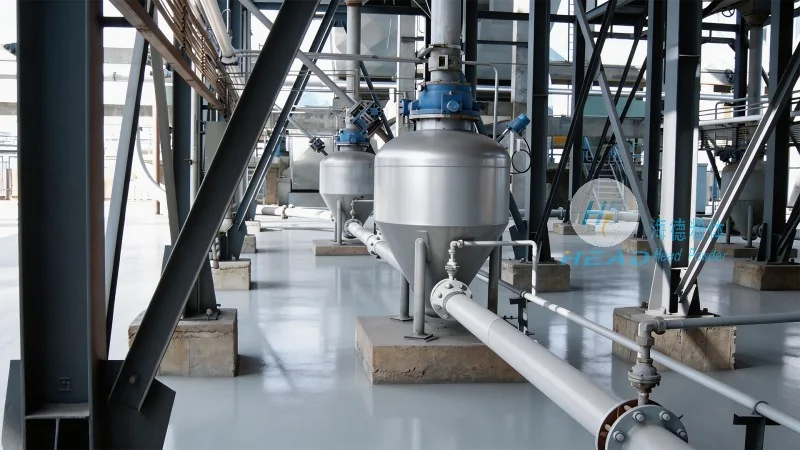
The selection of an appropriate cement particle conveying method depends on several factors, including the type and size of the cement particles, the distance and direction of transport, the required capacity, and the available budget. For long-distance and enclosed transport of fine materials, pneumatic conveying is often the best choice. For horizontal or slightly inclined transport of bulk materials, screw or belt conveyors may be more suitable. Vertical transport of coarse materials is typically handled by bucket elevators. It is essential to consider the specific operational requirements and constraints of the facility when selecting a conveying method to ensure optimal performance and cost-effectiveness.
About Shandong HeadPowder Engineering Co., Ltd.
Shandong HeadPowder Engineering Co., Ltd., commonly known as HeadPowder, is a leading provider of industrial conveying solutions specializing in cement particle handling systems. With a strong commitment to innovation and quality, HeadPowder offers a wide range of conveying equipment and services tailored to meet the diverse needs of the construction and manufacturing industries. The company's expertise lies in designing and manufacturing efficient, reliable, and cost-effective conveying systems that enhance operational productivity and safety. HeadPowder's products are engineered to handle various types of cement particles, ensuring smooth and continuous material flow in industrial processes. The company's team of experienced engineers and technicians provides comprehensive support, from system design and installation to maintenance and troubleshooting, ensuring that clients achieve optimal performance and longevity of their conveying systems. HeadPowder's dedication to customer satisfaction and technological advancement has established it as a trusted partner in the cement and bulk material handling sector. Based in Shandong, China, HeadPowder leverages its local expertise and resources to deliver high-quality solutions that meet international standards and client expectations.




