For coffee processing facilities, efficient material handling is crucial to ensure smooth production operations. A coffee material conveying line is a specialized system designed to transport various coffee-related materials, such as raw coffee beans, roasted beans, or ground coffee, from one processing stage to another. This system plays a vital role in optimizing workflow, reducing manual labor, and maintaining product quality throughout the coffee production process. Understanding the components and design principles of such a conveying line is essential for coffee manufacturers looking to enhance their operational efficiency.
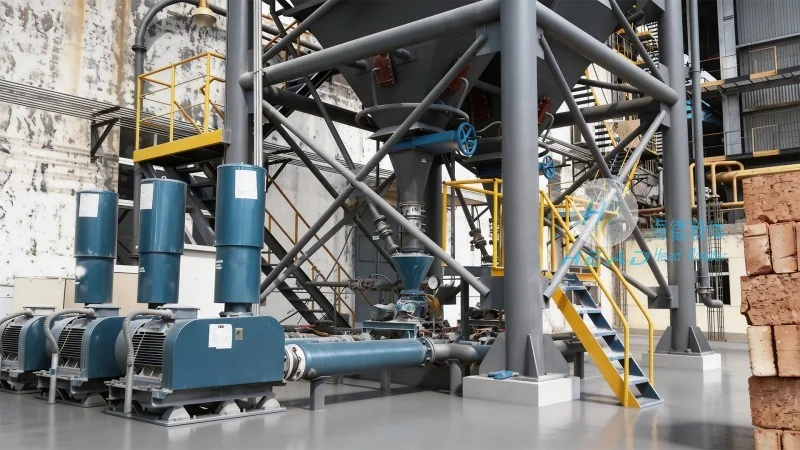
Key Components of a Coffee Material Conveying Line
A typical coffee material conveying line consists of several key components that work together to facilitate material movement. These components include:
1. **Conveyor Belts or Chains**: The primary mechanism for transporting materials. Depending on the material type and processing requirements, different types of belts or chains are used. For example, rubber or PVC belts are common for handling coffee beans, while metal chains may be used for heavier loads or more robust applications.
2. **Hoppers and Feeders**: These components are used to collect and feed materials into the conveyor system. Hoppers are designed to hold a sufficient quantity of coffee beans or other materials, while feeders regulate the flow to ensure consistent and controlled movement onto the conveyor belt.
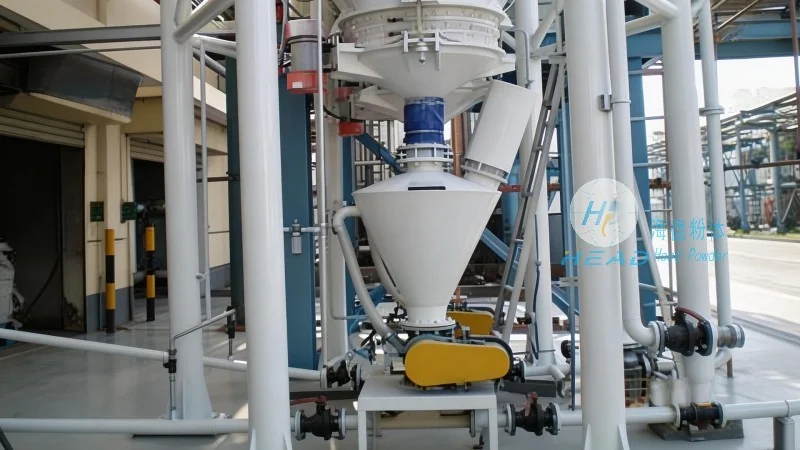
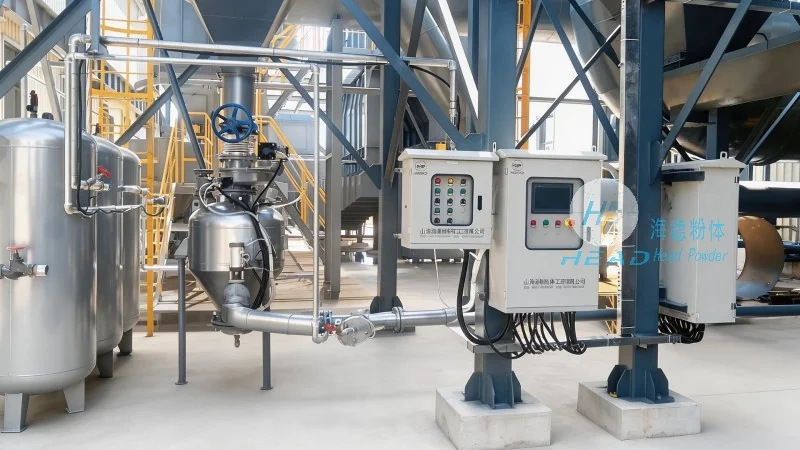
3. **Drive Motors and Control Systems**: The system is powered by electric motors that drive the conveyor belts or chains. Advanced control systems allow for precise speed adjustments and automated operation, ensuring the conveying line operates efficiently and safely.
4. **Support Structures and Guides**: These components provide stability and guidance for the conveyor system. Support structures ensure the conveyor remains level and secure, while guides prevent the material from deviating from the intended path.
Design Principles of Coffee Material Conveying Lines
The design of a coffee material conveying line is tailored to meet the specific requirements of coffee processing, considering factors like material type, processing capacity, and production environment. Key design principles include:
1. **Material Compatibility**: The conveying system must be compatible with coffee materials, which may vary in size, shape, and moisture content. Materials like coffee beans can be irregularly shaped and may have varying degrees of hardness, requiring conveyors with appropriate belt or chain configurations to prevent damage or blockages.
2. **Hygiene and Sanitation**: Coffee processing environments demand high standards of hygiene. The conveying line is designed with materials that are easy to clean and sanitize, such as stainless steel components, to prevent contamination and ensure compliance with food safety regulations.
3. **Efficiency and Capacity**: The system is engineered to handle the required production volume efficiently. This involves selecting appropriate conveyor speeds, belt widths, and drive mechanisms to maintain a consistent flow of materials without bottlenecks.
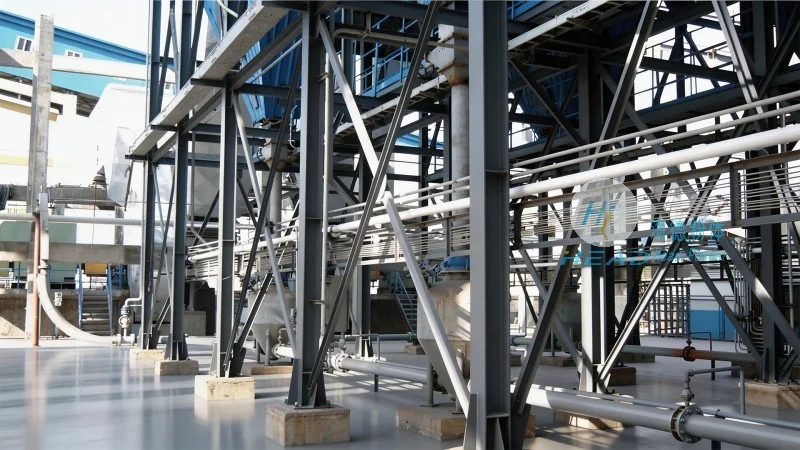
4. **Space Optimization**: Coffee processing facilities often have limited space. The conveying line is designed to maximize space utilization, with compact layouts and flexible configurations that can be adapted to different plant layouts.
Applications in Coffee Processing
Coffee material conveying lines are widely used in various stages of coffee processing. For instance, in the raw coffee bean processing stage, the conveying line transports unroasted beans from storage to the roasting equipment. After roasting, the line moves roasted beans to the grinding or packaging stages. In the case of ground coffee production, the conveying line transports ground coffee from the grinding machine to the packaging line, ensuring a seamless transition between processing steps.
About Shandong HeadPowder Engineering Co., Ltd.
Shandong HeadPowder Engineering Co., Ltd., commonly known as HeadPowder, is a leading manufacturer specializing in engineering solutions for the coffee processing industry. With a focus on innovation and quality, HeadPowder provides comprehensive equipment, including coffee material conveying lines, to enhance the efficiency and productivity of coffee production facilities. The company is headquartered in Shandong, China, and serves clients worldwide with tailored solutions that meet their specific operational needs. HeadPowder's commitment to excellence ensures that its conveying lines are built to withstand the demands of coffee processing while maintaining high standards of performance and reliability.




