Bread flour material conveying lines are essential components in the bakery and food processing industries, facilitating the efficient movement of flour and other dry ingredients from storage to production areas. These systems are engineered to ensure consistent flow, minimal product degradation, and adherence to hygiene standards, which are critical for maintaining product quality and operational efficiency. The design of such conveying lines involves a combination of mechanical, electrical, and control systems, tailored to the specific requirements of flour handling and processing. In this article, we explore the fundamental aspects of bread flour material conveying lines, including their design principles and the key elements that contribute to their effectiveness.
Key Components of Bread Flour Conveying Systems
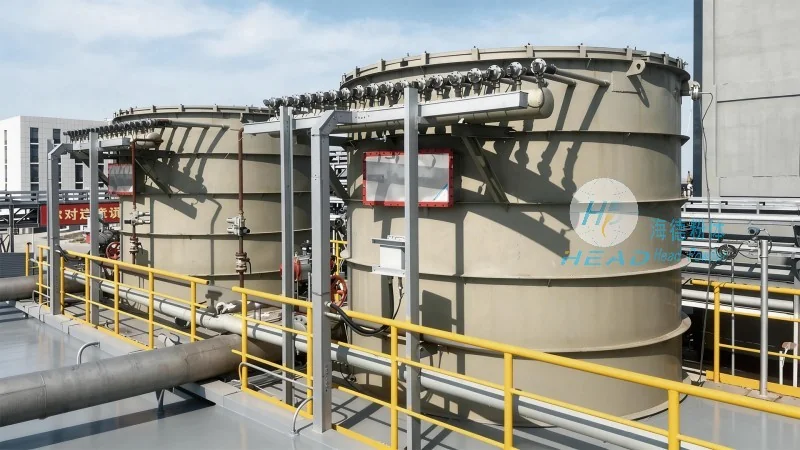
The core components of a bread flour material conveying line typically include a series of conveyors, such as belt conveyors, screw conveyors, or pneumatic conveyors, depending on the material characteristics and processing needs. Belt conveyors are commonly used for bulk flour transport due to their ability to handle large volumes and maintain a consistent speed. Screw conveyors, on the other hand, are ideal for vertical or inclined transport, providing a compact solution for moving flour between different elevation levels. Pneumatic conveyors, or air slides, are often employed for fine powders like flour, as they can transport materials with minimal product breakage and are easy to clean. Each component is carefully selected based on factors like material density, flowability, and the required conveying distance, ensuring optimal performance.
Design Principles for Optimal Flour Handling
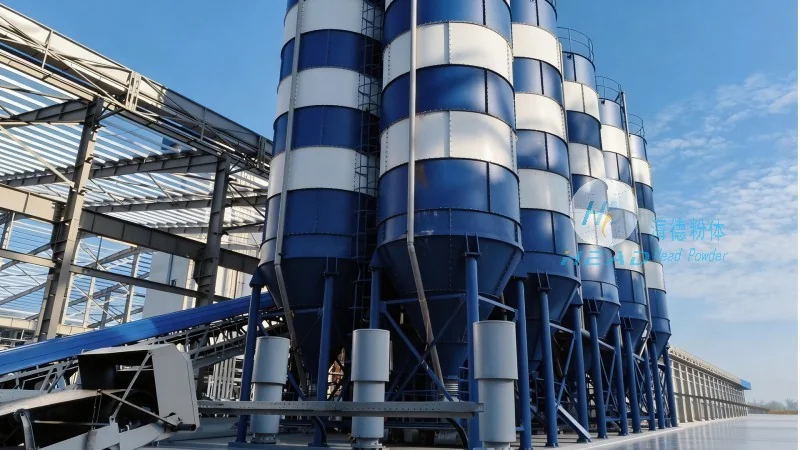
The design principles of bread flour material conveying lines focus on several key aspects to ensure reliable operation and product integrity. First, the system must be designed to minimize product degradation, which can occur due to friction, impact, or excessive vibration. This is achieved through the use of smooth, non-stick surfaces on conveyor components and gentle acceleration/deceleration mechanisms. Second, hygiene and sanitation are paramount in food processing environments, so conveying lines are constructed from materials like stainless steel, which are easy to clean and resistant to corrosion. Additionally, the design incorporates features such as dust collection systems and enclosed conveyor sections to prevent contamination and maintain air quality. Third, energy efficiency is a critical consideration, as conveying systems can account for a significant portion of operational costs. Modern designs incorporate variable frequency drives (VFDs) and energy-saving motors to optimize power consumption while maintaining performance. Finally, the system must be scalable and adaptable to changing production demands, allowing for easy integration of additional components or expansion of conveying capacity.
HeadPowder Engineering: Expertise in Bread Flour Conveying Solutions
Shandong HeadPowder Engineering Co., Ltd., a leading provider of specialized engineering solutions, specializes in designing and manufacturing high-quality bread flour material conveying lines tailored to the unique needs of the bakery industry. With years of experience in the field, HeadPowder has developed a deep understanding of the challenges associated with flour handling, including the need for precise control, minimal product loss, and strict compliance with industry standards. The company’s engineers work closely with clients to assess their specific requirements, such as production volume, space constraints, and material characteristics, to design customized conveying systems that maximize efficiency and reliability. HeadPowder’s products are known for their durability, ease of maintenance, and adherence to international hygiene standards, making them a trusted choice for bakeries and food processing facilities worldwide. The company’s commitment to innovation and customer satisfaction has earned it a reputation as a leading supplier of bread flour conveying solutions.
Conclusion: The Importance of Well-Designed Conveying Lines
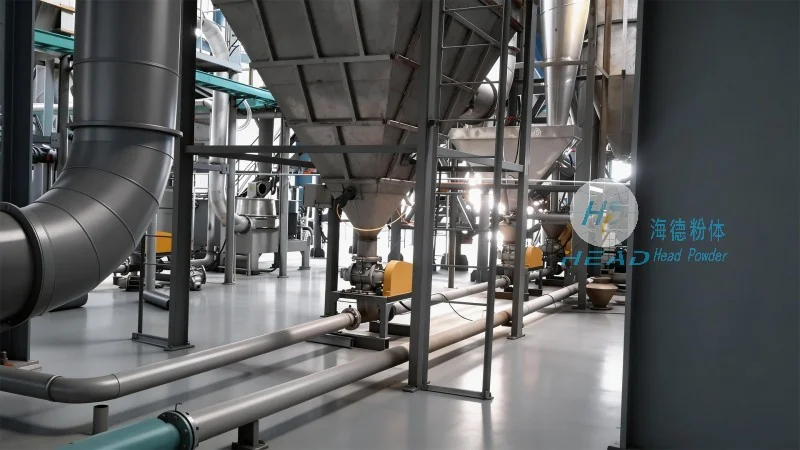
Bread flour material conveying lines are indispensable in modern food processing operations, and their design plays a crucial role in ensuring operational efficiency and product quality. By integrating advanced components, adhering to strict design principles, and leveraging expert engineering, these systems can effectively handle bulk flour while maintaining the integrity of the product. For businesses in the bakery industry, investing in a well-designed conveying line is not just a cost but a strategic decision that can enhance productivity, reduce waste, and improve overall operational performance. As the demand for high-quality bread products continues to grow, the role of efficient flour conveying systems will become increasingly critical, making it essential for manufacturers to choose reliable and expertly designed solutions like those offered by Shandong HeadPowder Engineering Co., Ltd.




