Iron oxide powder material handling is a specialized process within industrial operations, focusing on the efficient movement, storage, and transfer of iron oxide powders. These powders are widely used in industries such as pigments, coatings, and pharmaceuticals, where their color and chemical properties are critical to product quality. The material handling of iron oxide powders requires careful planning and execution to maintain product integrity, ensure operational safety, and optimize production efficiency. Understanding the design principles behind these systems is essential for industries that rely on consistent and reliable powder flow.
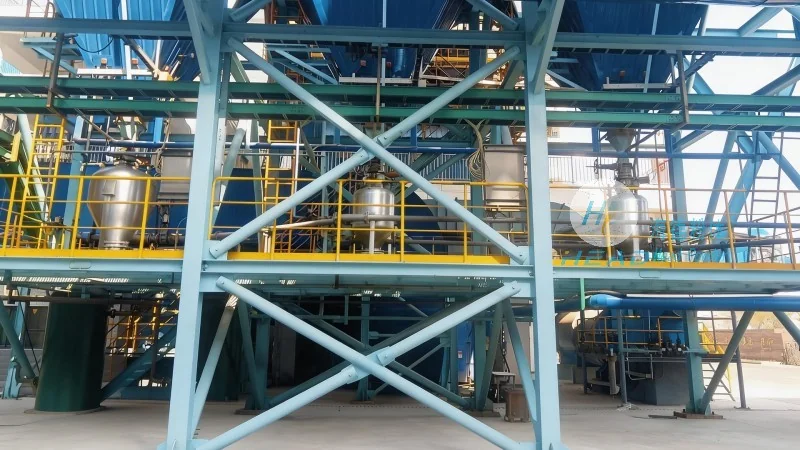
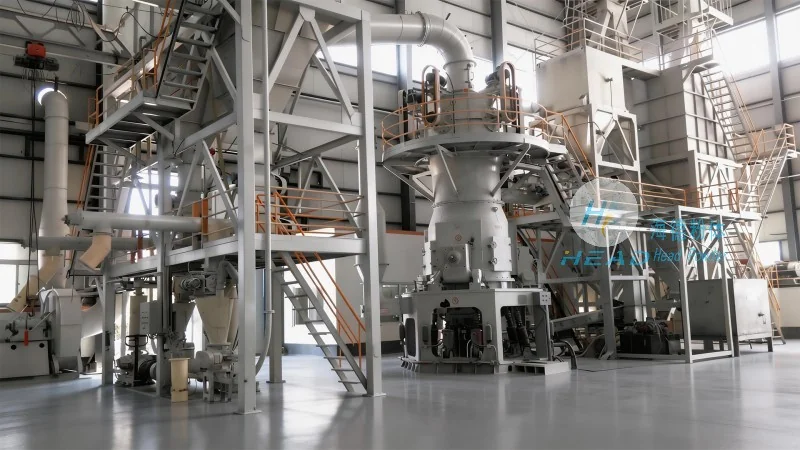
Understanding the Fundamentals of Iron Oxide Powder Handling
Iron oxide powders, including forms like hematite, magnetite, and limonite, exhibit unique physical properties that influence their handling characteristics. These properties include particle size distribution, density, moisture content, and flowability. For example, fine iron oxide powders may have a tendency to agglomerate or form bridges in hoppers, leading to flow disruptions. Conversely, larger particles may require higher force to initiate movement, affecting the selection of feeders and conveyors. Engineers must analyze these properties to design systems that prevent issues such as caking, segregation, or dust generation. The goal is to create a material handling process that maintains the powder's uniformity and prevents contamination, which could compromise downstream applications.
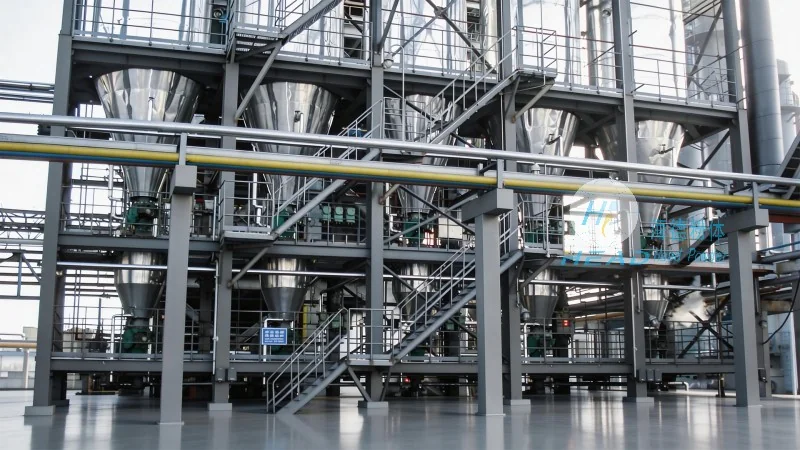
Design Principles for Optimal Iron Oxide Powder Material Handling
The design of iron oxide powder material handling systems is guided by several key principles aimed at ensuring smooth and safe operation. First, the system must accommodate the specific flow characteristics of the powder. This involves selecting appropriate equipment, such as screw feeders, vibratory feeders, or pneumatic conveyors, based on the powder's particle size and density. For instance, screw feeders are effective for handling free-flowing powders, while vibratory feeders may be necessary for cohesive or sticky materials. Second, the design must prioritize safety, particularly in preventing dust explosions. This is achieved through proper ventilation, explosion-proof equipment, and the use of anti-static measures. Third, the system should be designed for easy maintenance and cleaning to minimize downtime and ensure consistent performance. Additionally, the integration of control systems allows for real-time monitoring and adjustment of flow rates, enhancing overall operational efficiency.
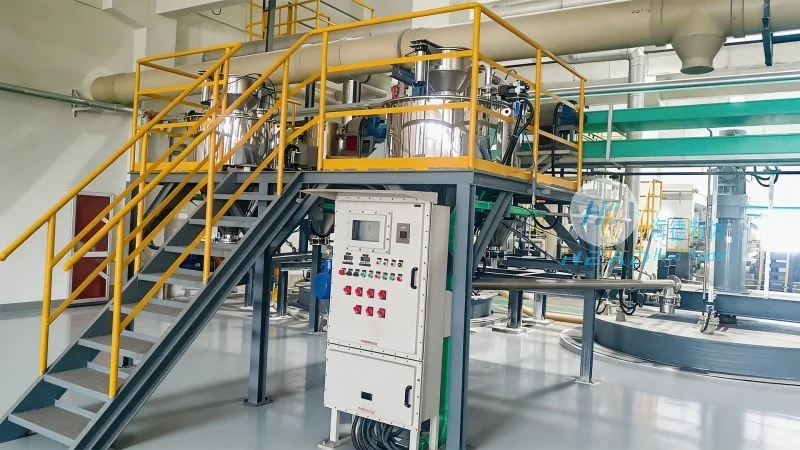
Shandong HeadPowder Engineering Co., Ltd.: Expertise in Iron Oxide Powder Handling Solutions
Shandong HeadPowder Engineering Co., Ltd. is a prominent player in the field of material handling solutions, with a strong reputation for delivering customized systems for iron oxide powder applications. The company operates from Shandong, China, leveraging its local industrial expertise and resources to serve clients globally. HeadPowder specializes in designing and manufacturing equipment that addresses the unique challenges of handling iron oxide powders, such as their tendency to form lumps or generate dust. Their team of engineers employs advanced engineering principles and extensive experience to develop solutions that meet the specific requirements of each client. The company's commitment to quality is evident in its adherence to international standards and rigorous testing protocols. By combining innovative design with practical application knowledge, HeadPowder ensures that their material handling systems are not only efficient but also durable and reliable for long-term use. Clients benefit from tailored solutions that enhance productivity, reduce operational costs, and improve safety in their iron oxide powder handling processes.




