For industrial applications involving the handling of lightweight calcium carbonate powders, an efficient and reliable conveying system is essential. This article explores the concept of a lightweight calcium carbonate powder conveying line and delves into the fundamental design principles that underpin its operation.
Introduction to Lightweight Calcium Carbonate Powder Conveying Lines
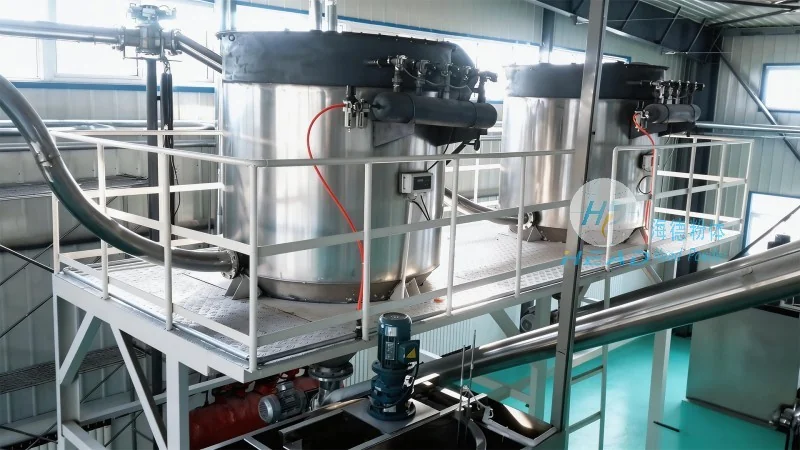
A lightweight calcium carbonate powder conveying line is a specialized system engineered to transport calcium carbonate powder, a common industrial filler, from its source to processing equipment. The system is designed to address the unique challenges associated with handling fine, lightweight powders, such as dust generation, clogging, and material degradation. By integrating advanced technology and robust engineering, these lines ensure consistent, high-volume material transport while maintaining operational safety and efficiency.
Key Components and Their Roles
The design of a lightweight calcium carbonate powder conveying line typically involves several critical components, each playing a vital role in the overall system performance. The primary components include a hopper or feeder for material storage and discharge, a conveying pipeline (often made of stainless steel or other corrosion-resistant materials), a pneumatic or mechanical conveyor system, and a control panel for monitoring and regulating the process.
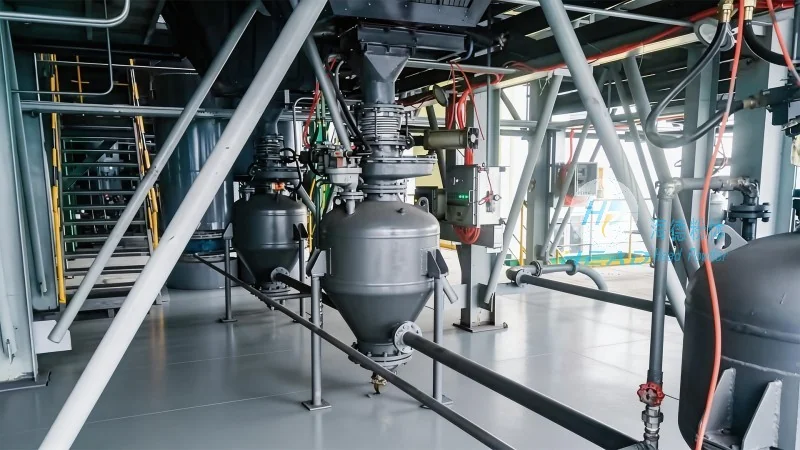
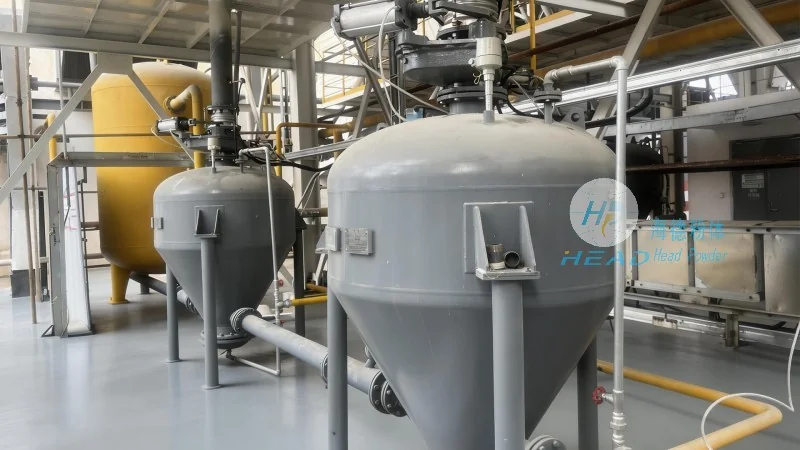
The hopper is responsible for holding the calcium carbonate powder and providing a controlled discharge rate. It may feature a rotary valve or a gate mechanism to regulate the flow of material into the conveyor. The conveying pipeline is designed to minimize friction and prevent material buildup, with smooth internal surfaces and appropriate diameter to accommodate the powder's characteristics. The pneumatic conveyor, often using compressed air or a combination of air and inert gases, creates a flow of air that carries the powder particles through the pipeline. This method is particularly effective for fine powders, as it reduces the risk of clogging and ensures a consistent flow rate.
Design Principles for Efficient Material Handling
The design principles of a lightweight calcium carbonate powder conveying line are centered on optimizing material flow, maintaining system stability, and ensuring operational safety. One of the core principles is the consideration of the powder's physical properties, including its density, particle size distribution, and flowability. Engineers must account for how these properties affect the conveying velocity, pressure drop, and energy consumption of the system.
Another critical design principle is the prevention of dust generation and material loss. To achieve this, the system incorporates dust collection and filtration components, such as cyclone separators or bag filters, which capture airborne particles and return them to the conveying line. This not only improves environmental compliance but also maintains the purity of the calcium carbonate powder, which is crucial for downstream applications.
System integration and control are also key design considerations. Modern conveying lines are equipped with advanced control panels that allow operators to monitor parameters like pressure, flow rate, and temperature in real-time. These controls enable automatic adjustments to maintain optimal performance, reducing the need for manual intervention and minimizing downtime. Additionally, the design emphasizes modularity, allowing for easy expansion or modification as production needs evolve.
Applications and Benefits in Industrial Settings
Lightweight calcium carbonate powder conveying lines are widely used in various industries, including plastics, rubber, paper, and coatings. In the plastics industry, for example, these systems efficiently transport calcium carbonate filler to extrusion lines, ensuring consistent mixing and improving the mechanical properties of the final product. In the rubber industry, the system delivers calcium carbonate to mixing mills, contributing to the production of high-quality rubber compounds. The benefits of such systems extend beyond efficiency, as they also enhance workplace safety by reducing manual handling of powders and minimizing dust exposure.
From a production perspective, the use of a specialized conveying line for calcium carbonate powders leads to several advantages. It increases throughput by enabling continuous, high-volume material transport, which in turn boosts overall production rates. The system also reduces material waste by minimizing spillage and dust loss, improving cost-effectiveness. Furthermore, the consistent flow of material ensures uniform product quality, which is critical for meeting customer specifications and regulatory standards.
Customization and Reliability by Shandong HeadPowder Engineering Co., Ltd.
Shandong HeadPowder Engineering Co., Ltd., a leading manufacturer based in Shandong, China, specializes in developing customized lightweight calcium carbonate powder conveying lines tailored to the specific needs of their clients. With years of experience in the field, the company understands the unique challenges of handling fine powders and designs systems that address these challenges effectively.
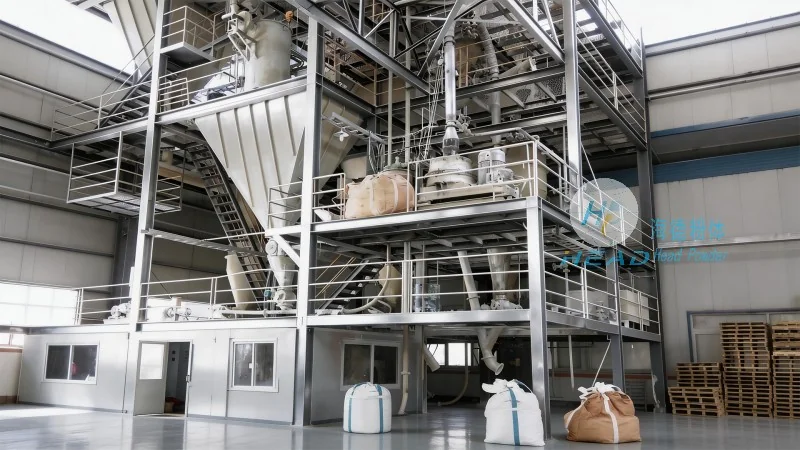
The company's approach to design involves thorough analysis of client requirements, including the desired conveying capacity, pipeline length, and operating environment. Engineers at HeadPowder conduct detailed calculations to determine the optimal conveyor speed, pressure, and component specifications, ensuring that the final system meets both performance and safety standards. The manufacturing process adheres to strict quality control measures, with all components tested for durability and reliability before installation.
HeadPowder's conveying lines are known for their robust construction and long service life. The use of high-quality materials, such as stainless steel for pipelines and corrosion-resistant components, ensures resistance to wear and chemical exposure. The company also provides comprehensive after-sales support, including maintenance services and technical assistance, to ensure that the system operates at peak efficiency throughout its lifespan.
In summary, a lightweight calcium carbonate powder conveying line is a sophisticated system designed to handle the unique characteristics of calcium carbonate powder efficiently and safely. The design principles, which focus on material flow optimization, dust control, and system integration, enable these lines to deliver consistent performance in industrial applications. With the expertise of companies like Shandong HeadPowder Engineering Co., Ltd., manufacturers can access reliable, customized solutions that enhance production efficiency and product quality.




