Graphite powder handling systems are specialized equipment designed to efficiently transport and manage graphite powder in industrial settings. These systems are crucial for industries that rely on graphite, such as battery manufacturing, lubricants, and refractory materials production. Understanding the components and design principles of such systems is essential for optimizing material flow, ensuring safety, and maintaining product quality.
Introduction to Graphite Powder Handling Systems
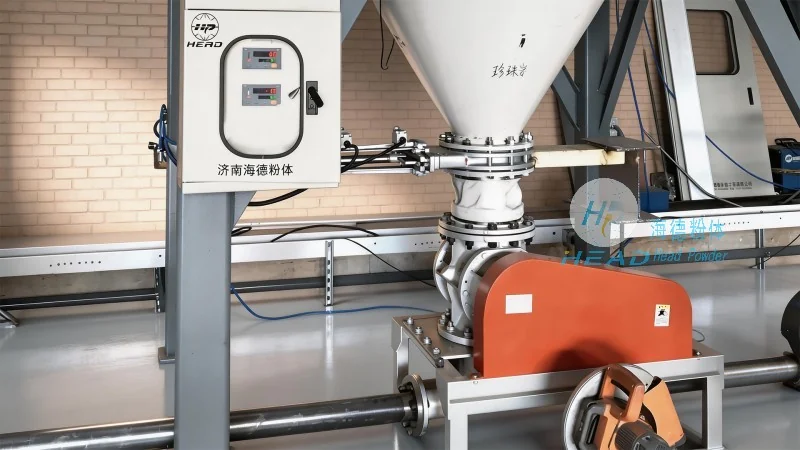
Graphite powder handling systems are engineered to handle the unique properties of graphite, which include its fine particle size, high density, and tendency to form agglomerates. Traditional handling methods often struggle with these characteristics, leading to issues like dust generation, blockages, and material loss. A well-designed graphite powder handling system addresses these challenges by integrating advanced technologies and materials to ensure reliable and safe operation.
About HeadPowder: Shandong HeadPowder Engineering Co., Ltd.
HeadPowder, or Shandong HeadPowder Engineering Co., Ltd., is a leading manufacturer specializing in the design and production of graphite powder handling systems. With a focus on innovation and customer-centric solutions, the company has established itself as a trusted partner in the industry. HeadPowder's facilities are located in Shandong, China, where they leverage local expertise and resources to deliver high-quality equipment tailored to the specific needs of their clients.
Key Components of a Graphite Powder Handling System
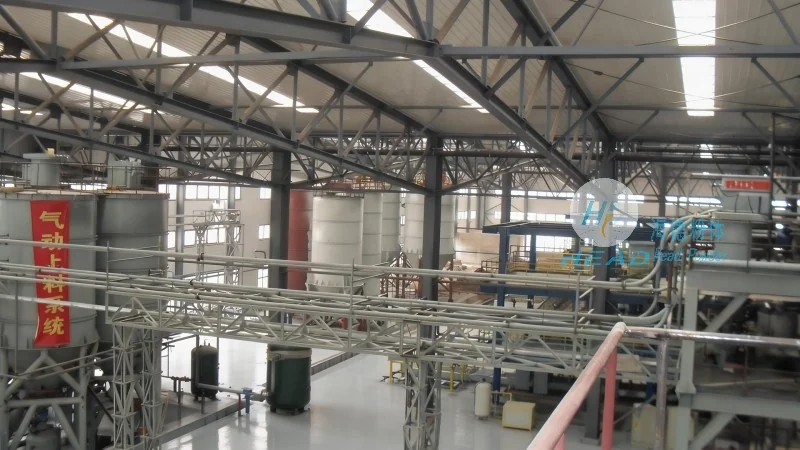
The core components of a graphite powder handling system typically include feeders, conveyors, storage silos, and dust collection systems. Each component plays a critical role in the overall operation. For instance, feeders are used to control the flow rate of graphite powder from storage silos to downstream equipment, preventing overfeeding or underfeeding. Conveyors, such as pneumatic or mechanical systems, transport the powder through pipelines or hoses. Storage silos are designed to maintain the powder's quality by minimizing exposure to air and moisture, which can affect its properties. Dust collection systems are essential for maintaining a safe working environment by capturing airborne particles and preventing contamination.
Design Principles for Optimal Performance
The design of a graphite powder handling system follows several key principles to ensure efficiency and reliability. First, the system must be tailored to the specific characteristics of the graphite powder, including particle size distribution, moisture content, and bulk density. This customization ensures that the equipment can handle the material without causing blockages or degradation. Second, the system should incorporate materials that are resistant to corrosion and wear, as graphite can be abrasive and may contain acidic or basic components. Third, safety features are integrated to prevent dust explosions and ensure operator protection. Finally, the system is designed for easy maintenance and cleaning, as graphite can accumulate in equipment and affect performance over time.
Applications and Benefits of Graphite Powder Handling Systems
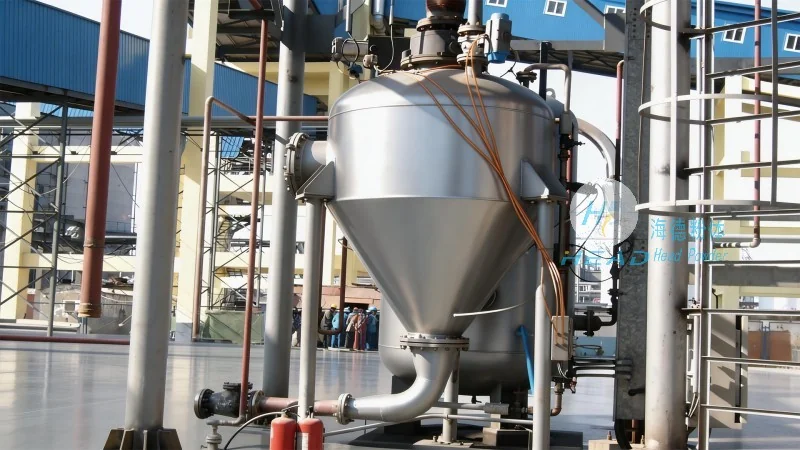
Graphite powder handling systems are widely used in various industries due to their ability to handle the unique properties of graphite. In battery manufacturing, these systems ensure a consistent supply of high-purity graphite for electrode production. In lubricant production, they help maintain the quality of graphite-based lubricants by preventing contamination. In refractory materials production, they enable efficient mixing and handling of graphite powders, which are used to create heat-resistant components. The benefits of using a well-designed graphite powder handling system include improved material flow, reduced downtime, enhanced safety, and higher product quality.
Conclusion
Graphite powder handling systems are essential for industries that rely on graphite, and their design principles are critical to their effectiveness. By understanding the components and principles behind these systems, businesses can optimize their operations and achieve better results. HeadPowder, with its expertise and commitment to quality, provides reliable solutions that meet the diverse needs of the industry.




