Activated carbon powder conveying systems represent a critical component in industries where the handling of fine powders, particularly activated carbon, is essential. These systems are engineered to efficiently transport, store, and distribute activated carbon powder while maintaining product integrity and operational safety. Understanding the equipment and its underlying design principles is vital for optimizing performance and ensuring compliance with industry standards.
Introduction to Activated Carbon Powder Conveying Systems
At the core of many industrial processes, activated carbon powder plays a pivotal role in filtration, adsorption, and purification applications. The efficient and reliable transport of this fine powder is often a challenge due to its propensity to clog, degrade, or create dust hazards. Activated carbon powder conveying systems are specifically designed to address these challenges, providing a closed-loop or controlled environment that minimizes product loss and operational risks. The systems are typically tailored to meet the unique requirements of each application, whether in chemical processing, environmental remediation, or food and beverage production.
Key Components and Functionality
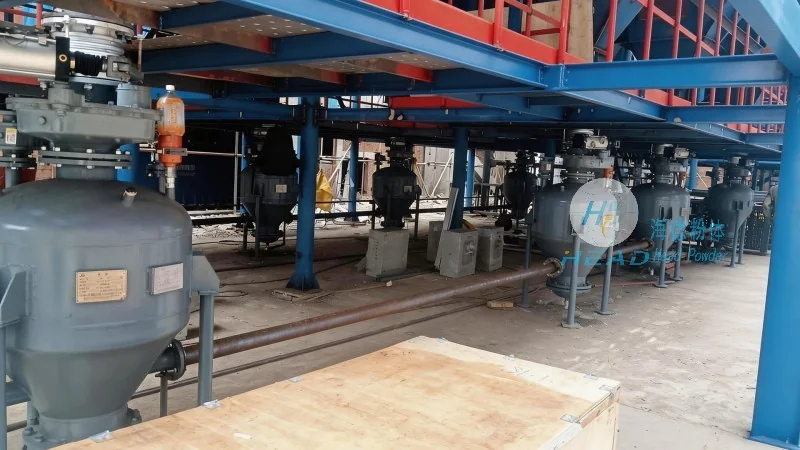
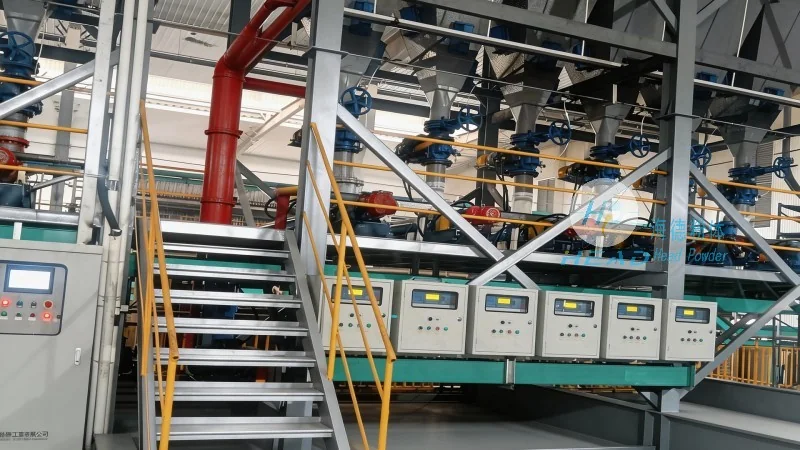
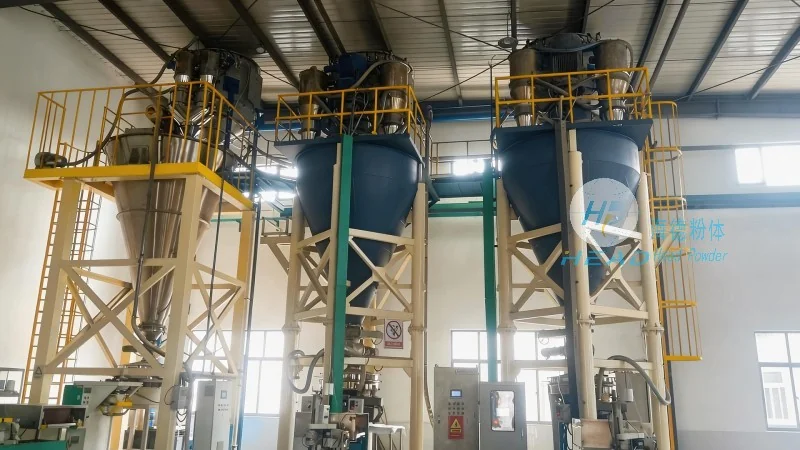
The activated carbon powder conveying system consists of several key components that work in concert to ensure smooth operation. A typical system includes a hopper or storage silo for holding the bulk material, a feeding mechanism such as a rotary valve or screw feeder to control the flow rate, a conveying pipeline that may utilize pneumatic or mechanical methods, and a control panel for monitoring and adjusting system parameters. The design of each component is critical to the overall efficiency and safety of the system. For instance, the hopper is often equipped with a dust collection system to prevent airborne particles from escaping, while the feeding mechanism is engineered to prevent material bridging or agglomeration, which can lead to blockages. The conveying pipeline may use flexible hoses or rigid pipes, depending on the system's layout and the need for flexibility versus durability. In many cases, the system incorporates a vacuum or pressure system to move the powder through the pipeline, ensuring consistent flow rates and preventing backflow.
Design Principles and Engineering Considerations
The design of an activated carbon powder conveying system is guided by several fundamental principles aimed at maximizing efficiency, safety, and durability. One of the primary design considerations is the need for airtight and dust-tight construction to prevent product contamination and environmental pollution. This is achieved through the use of high-quality seals, gaskets, and materials that are resistant to the chemical properties of activated carbon and any additives used in the powder. The system's design also focuses on minimizing material degradation, which can occur due to friction, temperature changes, or exposure to moisture. To address this, components such as pipelines and valves are often made from corrosion-resistant materials like stainless steel or specialized plastics. Additionally, the system incorporates features to prevent the buildup of static electricity, which can pose a fire hazard in powder handling environments. This is typically achieved through grounding mechanisms and the use of anti-static materials in the construction of the equipment.
Application Scenarios and Industry Use Cases
Activated carbon powder conveying systems find applications across a wide range of industries, each with specific requirements that influence the system's design. In the chemical industry, these systems are used to transport activated carbon for the purification of solvents, gases, and liquids. The systems are often integrated with reactors or distillation units, ensuring a continuous supply of fresh activated carbon to maintain optimal purification efficiency. In environmental remediation, the systems are critical for handling activated carbon used in wastewater treatment plants and air filtration systems. Here, the focus is on maintaining a consistent flow rate and preventing the release of fine particles into the environment. The food and beverage industry also utilizes activated carbon powder conveying systems for the filtration of beverages, such as in the production of soft drinks or wine. The systems must meet stringent hygiene standards, with components that are easy to clean and sanitize, and materials that are food-grade and non-toxic. In pharmaceutical manufacturing, the systems are used for the purification of active ingredients and the removal of impurities from drug formulations. The design of these systems in this sector emphasizes precision and contamination control, with features such as closed-loop systems and automated feeding mechanisms.
Company Overview and Expertise
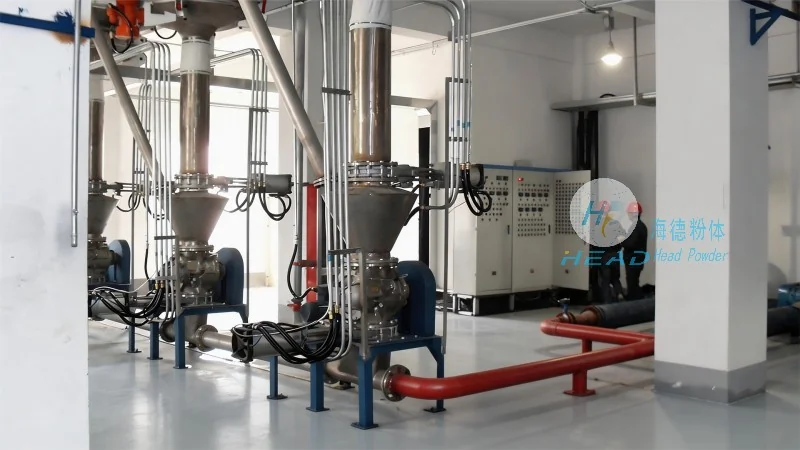
Shandong HeadPowder Engineering Co., Ltd., operating under the brand name headpowder, is a leading manufacturer of specialized powder handling equipment, including activated carbon powder conveying systems. With a strong presence in China, particularly in Shandong, the company has built a reputation for delivering high-quality, reliable, and customized solutions to meet the diverse needs of its clients. Headpowder's expertise lies in the integration of advanced engineering principles with practical application knowledge, ensuring that each system is tailored to the specific requirements of the end-user. The company's team of engineers and technicians work closely with clients to understand their operational challenges and design systems that optimize performance, reduce downtime, and enhance safety. Headpowder's commitment to quality is reflected in its adherence to international standards and rigorous testing protocols, ensuring that every product meets the highest industry benchmarks. The company's facilities are equipped with state-of-the-art manufacturing and testing equipment, allowing for the production of systems that are both efficient and durable. Through continuous innovation and customer-centric approach, headpowder remains at the forefront of the powder handling industry, providing solutions that drive operational excellence and sustainability.




