For industries dealing with bulk materials like milling powders, the efficiency and reliability of material handling systems are critical. A specialized equipment known as the milling powder bulk material handling system has emerged as a key solution to streamline operations and ensure safe, efficient transport of these fine particles. This article explores the fundamental aspects of such systems, focusing on their design principles and the role they play in modern industrial processes.
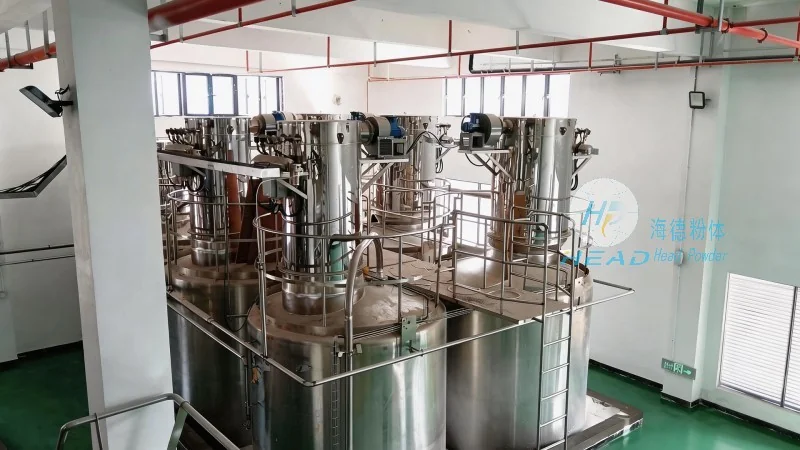
Introduction to Milling Powder Bulk Material Handling Systems
In the realm of industrial material handling, the milling powder bulk material handling system is engineered to handle the unique challenges posed by milling powders, which are typically fine, abrasive, and often hygroscopic. These materials require specialized equipment to prevent caking, segregation, and loss during transport. The system combines various components, including feeders, conveyors, and control mechanisms, to achieve seamless material movement from storage to processing or packaging stages. The primary goal is to maintain the integrity of the powder while minimizing operational downtime and maintenance costs.
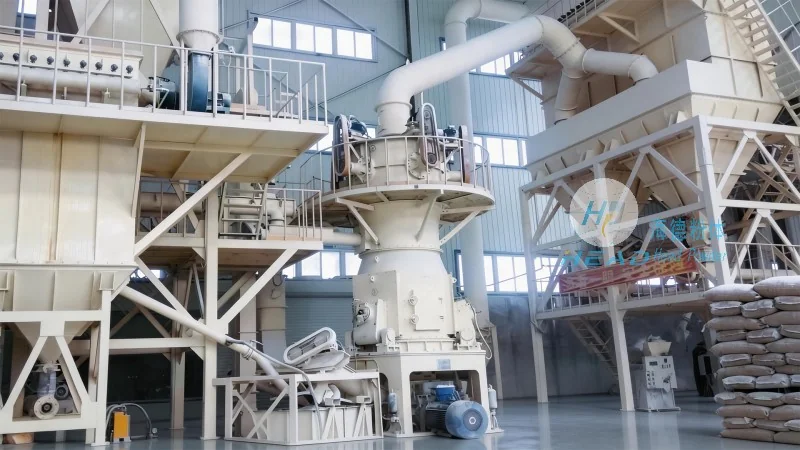
Key Components and Their Functions
The milling powder bulk material handling system consists of several critical components, each designed to address specific operational needs. The feeding unit, often a rotary valve or a screw feeder, is responsible for controlling the flow rate of the powder from the storage silo or hopper. This component ensures a consistent and controlled discharge, preventing overloading or underflow that could disrupt downstream processes. The conveyor system, which may include pneumatic or mechanical conveyors, transports the powder to the next stage. Pneumatic conveyors, for instance, use air pressure to move the material, while mechanical conveyors rely on belts or buckets. The choice of conveyor type depends on factors such as material characteristics, distance, and environmental constraints. Additionally, the system incorporates a control panel that monitors and regulates the entire process, ensuring that the flow rate, pressure, and other parameters remain within optimal ranges. This integration of components allows for a highly efficient and automated material handling solution.
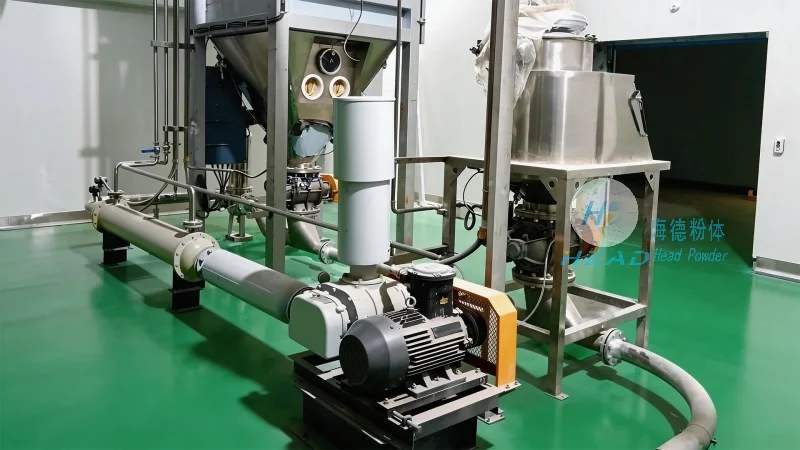
Design Principles for Optimal Performance
The design of a milling powder bulk material handling system is guided by several key principles aimed at maximizing efficiency, safety, and durability. One of the fundamental principles is the minimization of material degradation. This involves using materials that are resistant to abrasion and corrosion, such as stainless steel or special alloys, for components that come into direct contact with the powder. The system is also designed to prevent segregation, where different particle sizes or densities separate during transport. This is achieved through the use of gentle conveying methods and appropriate hopper designs that promote uniform flow. Another critical principle is the prevention of caking and bridging, which can cause blockages and operational issues. The system incorporates features like vibration mechanisms or air knives to break up clumps and maintain a smooth flow. Furthermore, the design emphasizes energy efficiency by optimizing the power consumption of the conveyor and control systems. This not only reduces operational costs but also aligns with sustainability goals in industrial operations.
Applications and Industry Impact
The milling powder bulk material handling system finds extensive applications across various industries, including food processing, pharmaceuticals, and chemical manufacturing. In the food industry, it is used to handle flour, sugar, and other fine ingredients, ensuring that they are transported without contamination or loss. In pharmaceuticals, the system is crucial for handling active pharmaceutical ingredients (APIs) and excipients, where purity and consistency are paramount. The chemical industry utilizes these systems for transporting powders like pigments, catalysts, and other raw materials, contributing to the efficiency of production lines. The impact of such systems extends beyond individual processes; they enhance overall plant productivity by reducing material handling time, minimizing waste, and improving product quality. By integrating advanced design principles, these systems help industries meet stringent regulatory requirements and maintain competitive advantages in their respective markets.
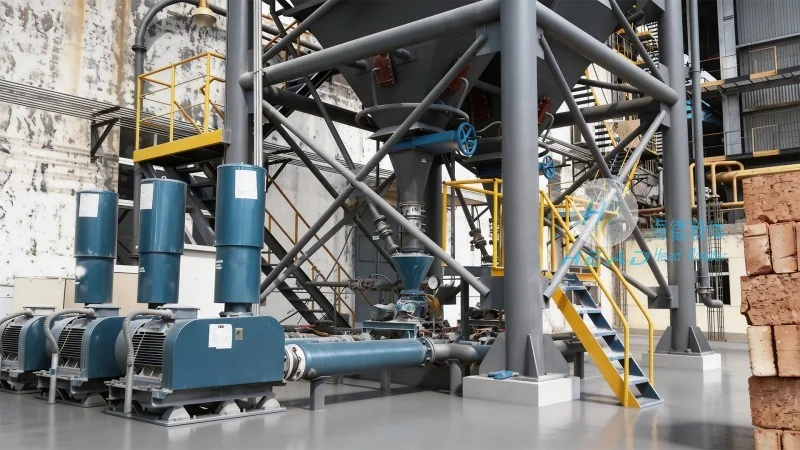
About Shandong HeadPowder Engineering Co., Ltd.
Shandong HeadPowder Engineering Co., Ltd., a leading manufacturer in the field of bulk material handling systems, specializes in providing customized solutions for milling powder applications. With a strong commitment to innovation and quality, the company has developed a range of equipment tailored to the unique needs of different industries. HeadPowder's expertise lies in designing systems that balance efficiency, reliability, and cost-effectiveness, ensuring that clients receive products that meet their specific operational requirements. The company's facilities are located in Shandong, China, where it leverages advanced manufacturing technologies and a skilled workforce to produce high-performance bulk material handling systems. By focusing on customer needs and adhering to industry standards, HeadPowder has established itself as a trusted partner for businesses seeking reliable solutions for their material handling challenges.




