Understanding the cement fly ash powder conveyor and its design principles is crucial for industries dealing with bulk powder handling, particularly in cement production and related sectors. This equipment is specifically engineered to transport cement and fly ash, two essential materials in concrete manufacturing, with precision and efficiency. The following article provides a detailed overview of this machinery, its operational design, and the underlying principles that ensure effective powder handling.
Introduction to Cement Fly Ash Powder Conveyors
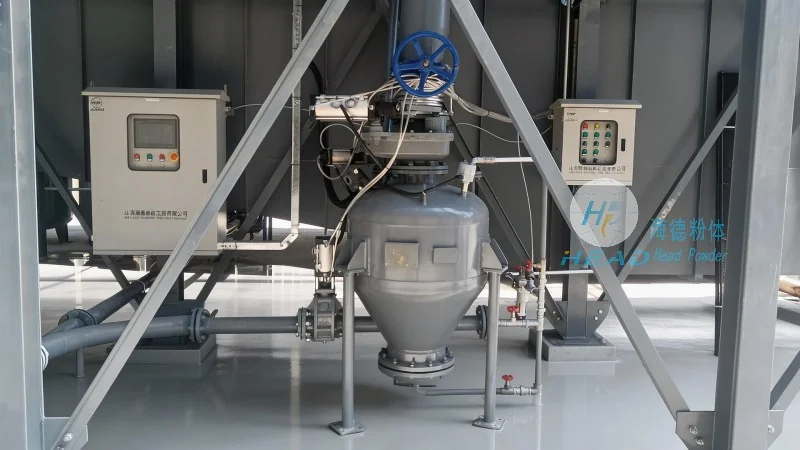
A cement fly ash powder conveyor, also known as a pneumatic or mechanical bulk material conveyor, is a specialized system designed to move fine powders like cement and fly ash from one location to another within industrial facilities. These conveyors are vital in cement plants, power stations, and construction material processing centers, where large volumes of these powders need to be transported over varying distances and heights. The primary goal of such equipment is to achieve reliable, low-maintenance, and energy-efficient transfer of these materials, which are often sensitive to moisture and agglomeration.
Design Principles of the Conveyor System
The design of a cement fly ash powder conveyor is based on several key principles to ensure optimal performance. First, the system must handle the specific physical properties of cement and fly ash, including their particle size distribution, moisture content, and flow characteristics. Engineers employ a combination of mechanical and pneumatic components to achieve this, balancing the need for high throughput with the requirement to prevent material degradation or blockages. The design typically involves a robust frame, durable materials for the conveying line, and advanced control systems to regulate the flow and pressure within the system.
Key Components and Their Functions
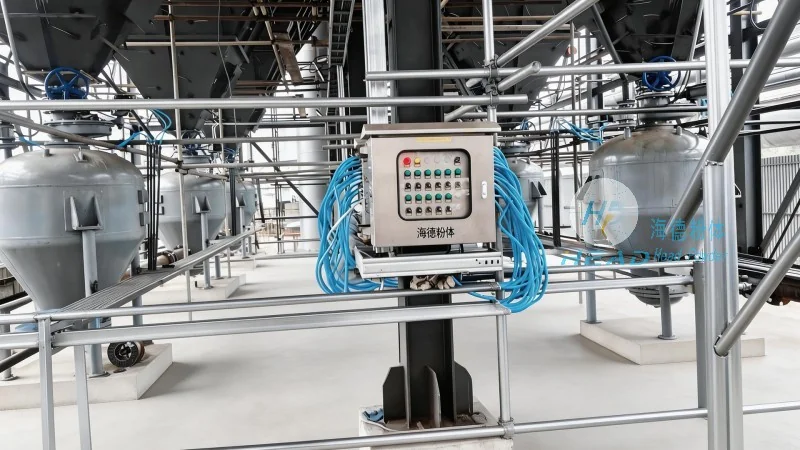
Several critical components make up a cement fly ash powder conveyor. The most essential is the conveying line, which can be made of metal or flexible hoses, depending on the application. This line is responsible for transporting the powder from the source to the destination. The drive system, often a motor or a series of fans, provides the necessary force to move the material through the line. A control panel manages the operation, allowing operators to adjust speed, pressure, and other parameters to match the specific needs of the process. Additionally, a dust collection system is integrated to maintain air quality and prevent dust emissions, which is crucial for compliance with environmental regulations.
Operational Efficiency and Maintenance Considerations
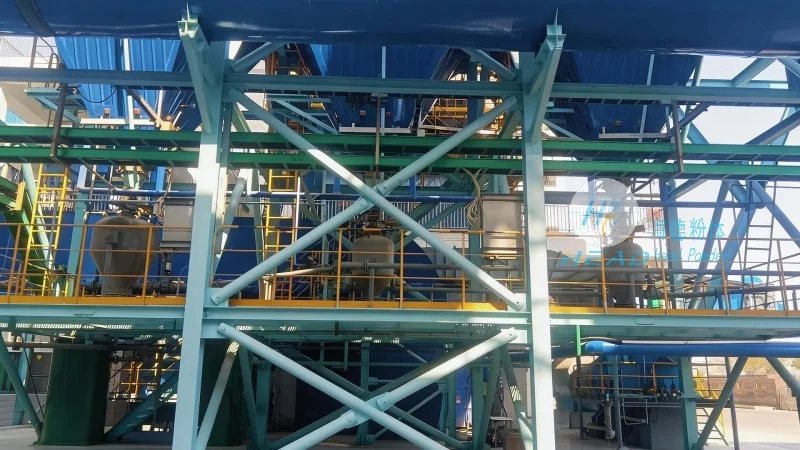
Efficiency in operation is a primary concern for cement fly ash powder conveyors. The design aims to minimize energy consumption while maximizing material throughput. This is achieved through optimized airflow, reduced friction in the conveying line, and efficient motor control. Regular maintenance is also critical to ensure long-term reliability. Components such as filters, check valves, and seals need to be inspected and replaced as needed to prevent system failures. Proper maintenance not only extends the lifespan of the equipment but also ensures consistent performance, reducing downtime and operational costs.
Company Profile: Shandong HeadPowder Engineering Co., Ltd.
Shandong HeadPowder Engineering Co., Ltd., commonly known as HeadPowder, is a leading manufacturer specializing in bulk material handling solutions. With a strong presence in China, particularly in Shandong province, the company has built a reputation for producing high-quality cement fly ash powder conveyors and related equipment. HeadPowder leverages advanced engineering and manufacturing techniques to develop systems that meet the stringent requirements of the cement and construction industries. The company's commitment to quality, innovation, and customer service has made it a trusted partner for businesses seeking reliable and efficient powder handling solutions.




