What is a Spice Powder Conveying Line? And What Are Its Design Principles?
Release time:2026-09-15 16:01:17
name of the company:Shandong Headpowder Engineering Co., Ltd.
telephone:156-6277-7102
contacts:Zhang manager
A spice powder conveying line, also known as a spice powder handling system, is a specialized industrial equipment designed to transport and handle powdered spices and seasonings efficiently. This system is crucial in the food processing industry, particularly for companies that deal with bulk spice production, packaging, and distribution. The core function of such a line is to move spice powders from storage silos or processing units to packaging machines or other processing stages without compromising product quality or causing contamination. It ensures a smooth, continuous flow of materials, which is essential for maintaining production efficiency and meeting high standards of hygiene and safety. For example, in a spice processing plant, the conveying line may start with large storage silos filled with raw spices like paprika, cumin, or turmeric. These silos are equipped with rotary valves that control the flow of powder into a pneumatic conveyor system. The conveyor then transports the powder through a series of pipes to a packaging line where it is filled into bags or containers. The entire process is automated, allowing for consistent and high-volume production. The importance of a well-designed conveying line cannot be overstated, as it directly impacts the efficiency of the entire production process and the quality of the final product.
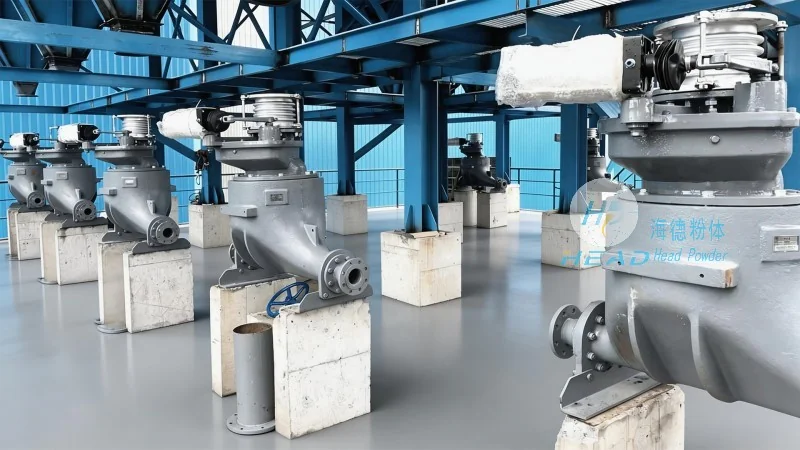
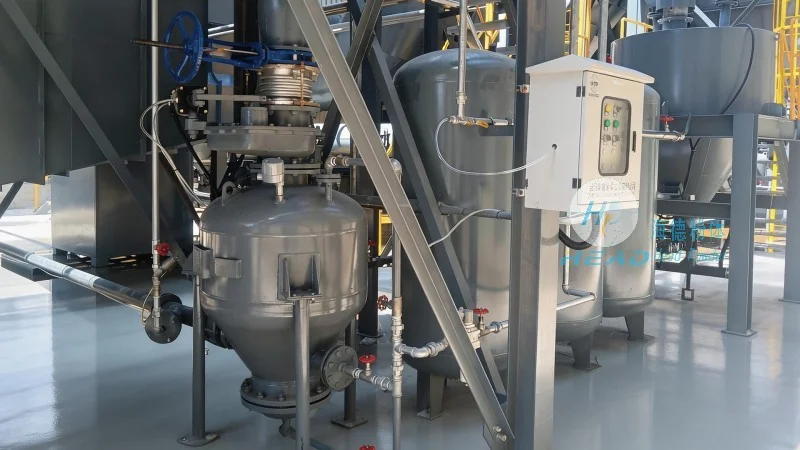
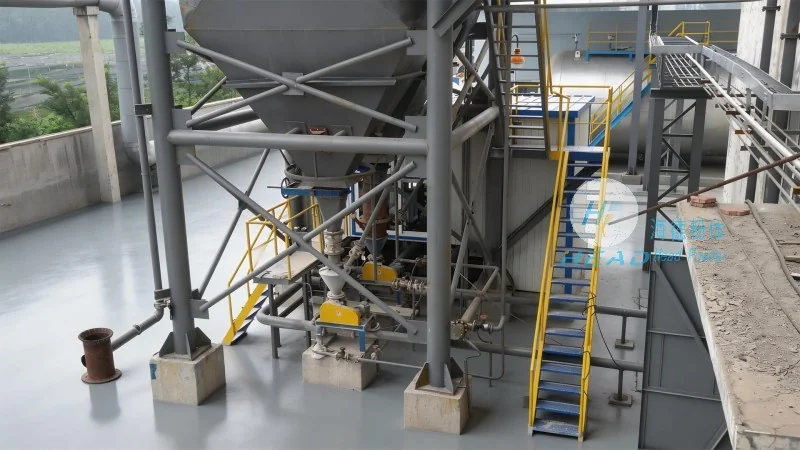
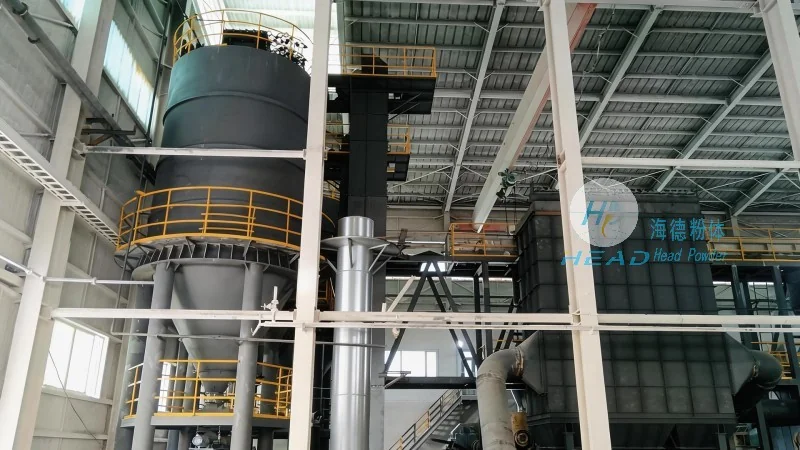
Key Components of a Spice Powder Conveying Line
At the heart of a spice powder conveying line are several key components that work in tandem to achieve efficient material handling. These components typically include: storage silos or hoppers for holding raw spice powders; feeding mechanisms such as rotary valves or screw feeders that control the flow of powder from the storage to the conveyor system; conveying equipment like pneumatic or mechanical conveyors that transport the powder through the system; and control systems that monitor and regulate the entire process. Each component is carefully selected and integrated to ensure optimal performance and minimal product degradation. For instance, the storage silos are often made of stainless steel to prevent contamination and maintain the quality of the spice powders. The feeding mechanisms are designed to handle the specific characteristics of each spice, such as its density, flowability, and moisture content, to avoid blockages or uneven flow. The conveying equipment, whether pneumatic or mechanical, is chosen based on the required capacity, distance, and the need to maintain product integrity. The control systems, often equipped with sensors and automation, ensure that the entire process is monitored in real-time, allowing for immediate adjustments if any issues arise. Additionally, the system may include dust collection and filtration units to prevent dust emissions and maintain a clean working environment. The use of high-quality materials and precise engineering ensures that each component can withstand the demands of continuous operation and handle the abrasive nature of spice powders without wear or degradation.




