HeadPowder, a leading provider in the field of material handling solutions, specializes in the design, manufacturing, and implementation of cement pneumatic conveying systems. This article aims to provide a comprehensive overview of the operation process and working principle of such systems, highlighting the technical aspects and practical applications that define their efficiency and reliability.
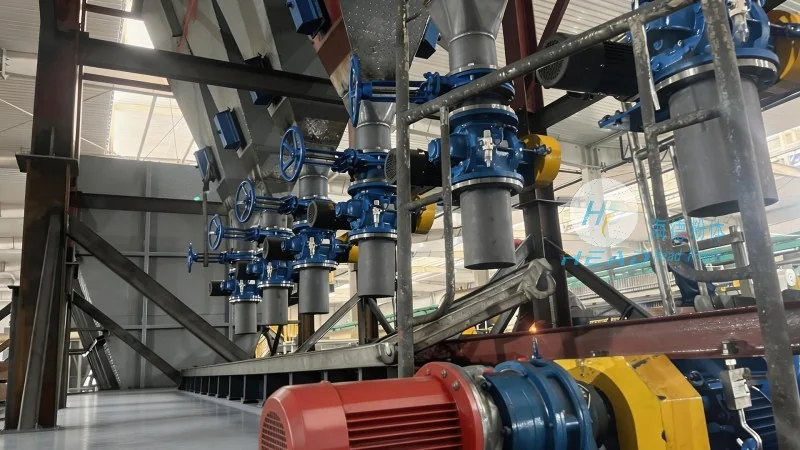
Understanding the Core Components of Cement Pneumatic Conveying Systems
A cement pneumatic conveying system is a sophisticated setup that utilizes air pressure to transport bulk materials like cement, powders, and granules. The system typically consists of several key components, each playing a crucial role in the overall operation. These components include the material hopper, the air compressor, the conveying line, the control valves, and the dust collection system. The material hopper serves as the storage and feeding unit, where cement is stored and metered into the system. The air compressor generates the necessary air pressure to move the material through the conveying line. The conveying line, often made of stainless steel or other corrosion-resistant materials, is designed to withstand the abrasive nature of cement and maintain air tightness. Control valves regulate the flow of air and material, ensuring smooth and controlled operation. The dust collection system is essential for maintaining air quality and complying with environmental regulations.
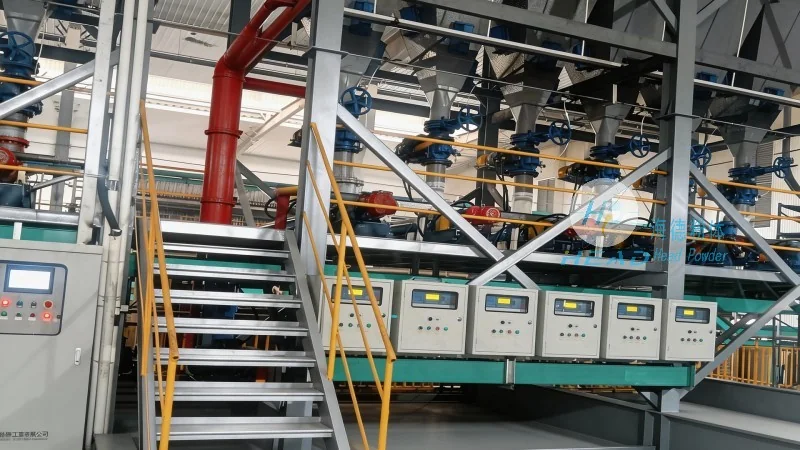
The Working Principle: How Cement Pneumatic Conveying Operates
The working principle of a cement pneumatic conveying system is based on the fundamental concept of air flow and pressure differentials. The process begins with the material being fed from the hopper into the conveying line. Simultaneously, the air compressor supplies high-pressure air into the line. As the air flows through the line, it creates a low-pressure zone that draws the cement particles along with it. This combination of air and material forms a dense phase or dilute phase flow, depending on the system design and operating conditions. In dense phase conveying, the material is conveyed in a slurry-like state, which reduces wear on the system components and improves material handling efficiency. Dilute phase conveying, on the other hand, uses higher air velocities to transport material in a more dispersed state, suitable for longer distances and larger volumes. The control valves and sensors in the system monitor the flow rates and pressure levels, adjusting the air supply and material feed to maintain optimal performance. The dust collection system captures any airborne particles, ensuring that the exhaust air is clean and compliant with environmental standards.
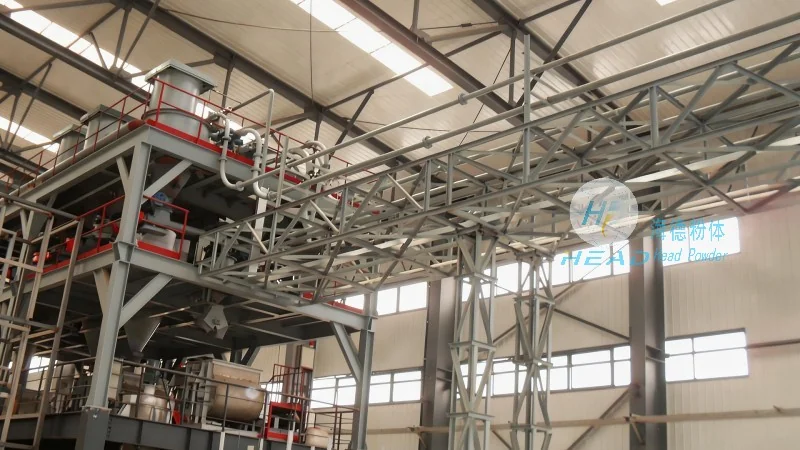
The Operation Process: Step-by-Step Execution of Cement Pneumatic Conveying
The operation process of a cement pneumatic conveying system involves several sequential steps that ensure efficient and safe material transport. The first step is the preparation phase, where the system is checked for proper functioning, including the air compressor, control valves, and material hopper. The hopper is then filled with cement, and the system is primed to start the conveying process. The second step is the start-up phase, where the air compressor is activated, and the control valves are set to the appropriate positions. The material is then fed into the conveying line, and the air flow begins to move the cement. The third step is the main conveying phase, where the system operates continuously, transporting the cement from the source to the destination. During this phase, the system monitors the flow rates and pressure, making adjustments as needed to maintain stable operation. The fourth step is the shutdown phase, where the air compressor is turned off, and the control valves are closed to stop the material flow. The dust collection system is activated to clear any residual particles from the system. The final step is the maintenance phase, where the system is inspected for any wear or damage, and necessary maintenance tasks are performed to ensure continued reliability.
Advantages and Applications of Cement Pneumatic Conveying Systems
Cement pneumatic conveying systems offer several advantages over traditional material handling methods, such as belt conveyors or bucket elevators. These advantages include high efficiency in material transport, reduced labor costs, and improved safety due to enclosed systems. The systems are also flexible and can be adapted to various applications, including industrial plants, construction sites, and manufacturing facilities. The dense phase conveying capability allows for the transport of abrasive materials like cement without significant wear on the system components. Additionally, the systems are energy-efficient, as they use less power compared to other methods for the same material handling capacity. The applications of cement pneumatic conveying systems are diverse, ranging from small-scale industrial use to large-scale bulk material transport in cement plants and construction projects. The systems are particularly suitable for applications where long-distance transport, high material throughput, and minimal material degradation are required.
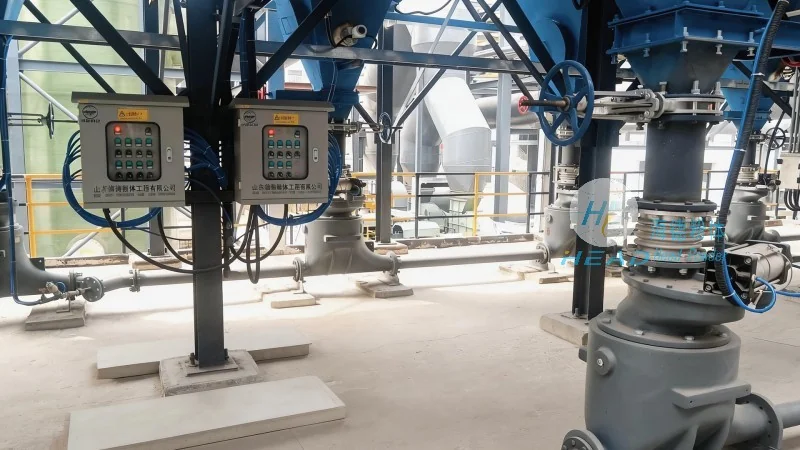
HeadPowder's Expertise in Cement Pneumatic Conveying Solutions
Shandong HeadPowder Engineering Co., Ltd., based in China, is a trusted name in the material handling industry, specializing in the design and implementation of cement pneumatic conveying systems. With years of experience and a commitment to quality, HeadPowder provides customized solutions tailored to the specific needs of its clients. The company's team of engineers and technicians works closely with clients to understand their material handling requirements and design systems that meet their operational and budgetary constraints. HeadPowder's systems are known for their reliability, efficiency, and durability, ensuring that clients achieve optimal performance and minimal downtime. The company's commitment to innovation and customer satisfaction has made it a preferred choice for businesses seeking advanced material handling solutions. Whether it's a new system installation or the upgrade of an existing one, HeadPowder offers comprehensive services, including system design, manufacturing, installation, and maintenance. The company's expertise in cement pneumatic conveying has helped numerous clients improve their material handling processes, reduce costs, and enhance overall operational efficiency.




