Wood chip powder conveying lines are specialized systems engineered to transport wood chip powders efficiently and reliably in industrial settings. These systems are crucial for applications ranging from biomass processing to wood pellet production, where the consistent movement of wood chip powders is essential for operational efficiency. The design of such lines incorporates advanced engineering principles to address the unique challenges posed by wood chip powders, including their variable particle size, moisture content, and flow characteristics.
Introduction to Wood Chip Powder Conveying Lines
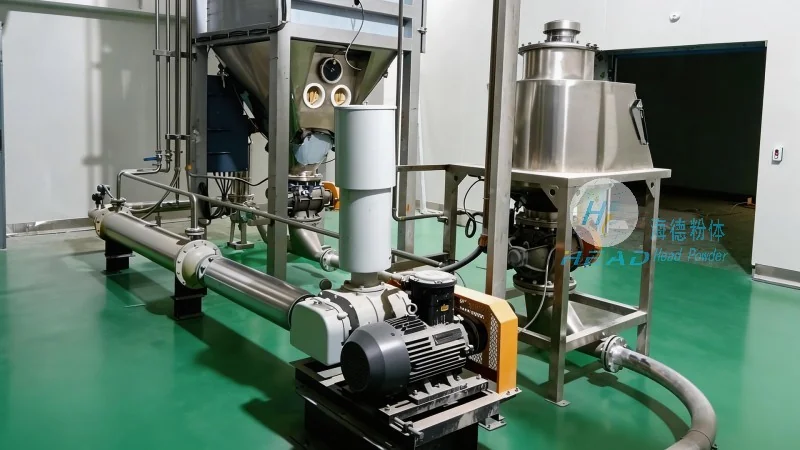
A wood chip powder conveying line typically consists of several key components, including a hopper for material storage, a conveyor system (such as screw conveyors, pneumatic conveyors, or bucket elevators), and control mechanisms to regulate the flow of material. The system is designed to handle wood chip powders, which are often produced from wood chips through grinding or milling processes. These powders are commonly used in various industries, including energy production, animal feed, and chemical manufacturing, where their uniformity and consistent supply are critical.
Design Principles of Wood Chip Powder Conveying Lines
The design of a wood chip powder conveying line is based on several fundamental principles to ensure optimal performance. First, the system must be capable of handling the specific physical properties of wood chip powders, such as their bulk density, angle of repose, and abrasiveness. These properties influence the choice of conveyor type and the materials used for construction. For example, screw conveyors are often preferred for their ability to handle abrasive materials and maintain a consistent flow, while pneumatic conveyors are suitable for longer distances or where dust control is a priority.
Second, the conveying line must be designed for efficient material handling, minimizing energy consumption and maximizing throughput. This involves optimizing the conveyor speed, inclination, and diameter to achieve the desired flow rate without causing blockages or excessive wear. The control system plays a vital role in this, as it monitors and adjusts the flow based on real-time conditions, such as material level in the hopper or pressure in the system.
Key Components and Their Functions
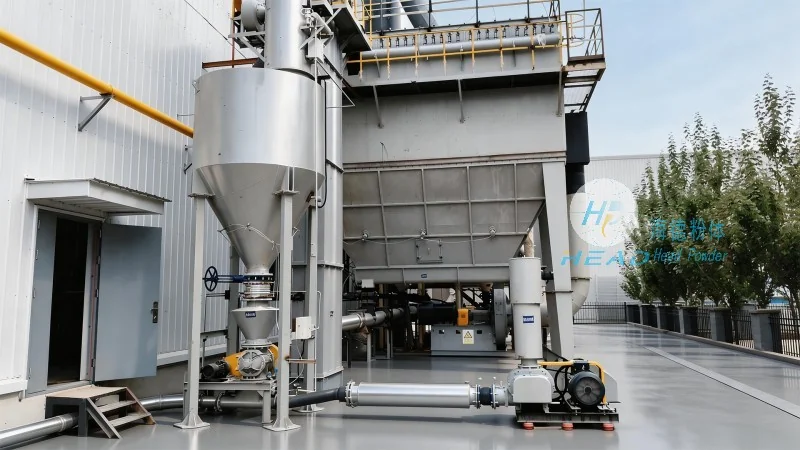
Several key components make up a typical wood chip powder conveying line. The hopper serves as the storage unit, providing a controlled environment for the wood chip powders to accumulate before being conveyed. It is often equipped with level sensors to detect the material level and trigger the conveyor when necessary. The conveyor itself is the core of the system, responsible for moving the material from the hopper to the processing or storage area. Different types of conveyors may be used depending on the application, such as horizontal screw conveyors for short distances or vertical bucket elevators for vertical transport.
Pneumatic conveying systems, which use air to transport the wood chip powders, are another common option. These systems are particularly effective for long-distance or high-temperature applications, as they can handle fine powders and prevent contamination. The system typically includes a blower, a filter, and a receiver, which collects the material at the end of the line. The filter is essential to remove dust and maintain air quality, while the receiver ensures that the material is collected efficiently.
Applications and Benefits of Wood Chip Powder Conveying Lines
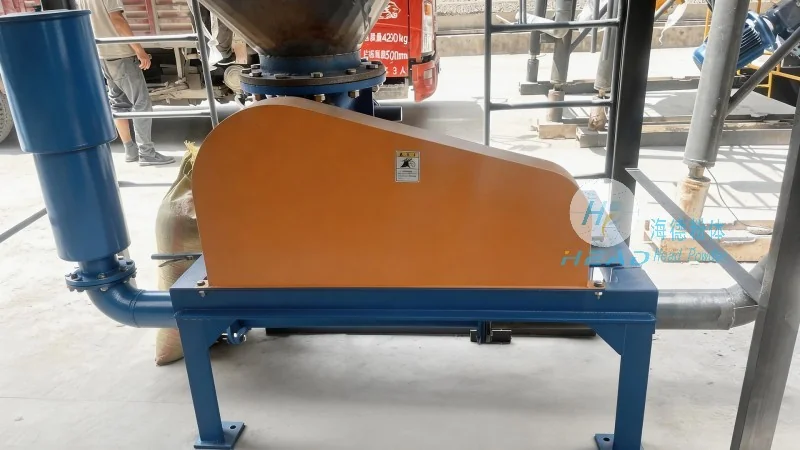
Wood chip powder conveying lines are widely used in various industrial applications, including biomass energy production, where wood chip powders are used as fuel for power plants or heat generation. In the animal feed industry, these systems are used to transport wood chip powders as a component of feed formulations, ensuring consistent quality and uniformity. The chemical industry also utilizes wood chip powders in the production of various products, such as adhesives or coatings, where the consistent supply of material is critical for process control.
The benefits of using a wood chip powder conveying line include improved operational efficiency, reduced labor costs, and enhanced safety. By automating the material handling process, the system minimizes the need for manual handling, which can be hazardous and inefficient. Additionally, the consistent flow of material ensures that downstream processes, such as grinding or pelletizing, operate smoothly and without interruptions. The system also helps to maintain a clean and controlled environment, reducing dust and improving air quality in the workplace.
Conclusion
Wood chip powder conveying lines are essential equipment for industries that rely on wood chip powders as a raw material. The design of these systems is based on advanced engineering principles to address the unique challenges of handling wood chip powders, including their physical properties and flow characteristics. By incorporating key components such as hoppers, conveyors, and control systems, these lines ensure efficient and reliable material transport. The benefits of using such systems include improved operational efficiency, reduced costs, and enhanced safety, making them a valuable investment for industrial applications.




