HeadPowder, a leading provider in the field, specializes in the design, manufacturing, and implementation of pneumatic conveying systems for barite powder. Based in Shandong, China, the company leverages advanced technology to ensure efficient and reliable material transport solutions for industrial applications. This article delves into the operational process and underlying principles of such systems, highlighting key components and the step-by-step workflow.
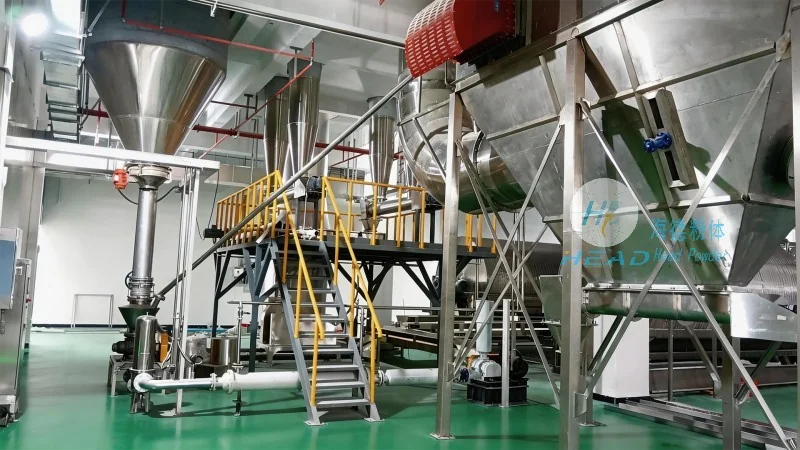
Key Components of Pneumatic Conveying Systems for Barite Powder
A typical barite powder pneumatic conveying system comprises several critical components that work in tandem to achieve efficient material transport. These include a hopper or feeder for material storage and metering, a conveying line (often equipped with pressure vessels or vacuum pumps), a control system for regulating flow and pressure, and a discharge unit for delivering the material to its destination. The choice of components depends on the specific application requirements, such as the desired conveying distance, material characteristics, and operational conditions.
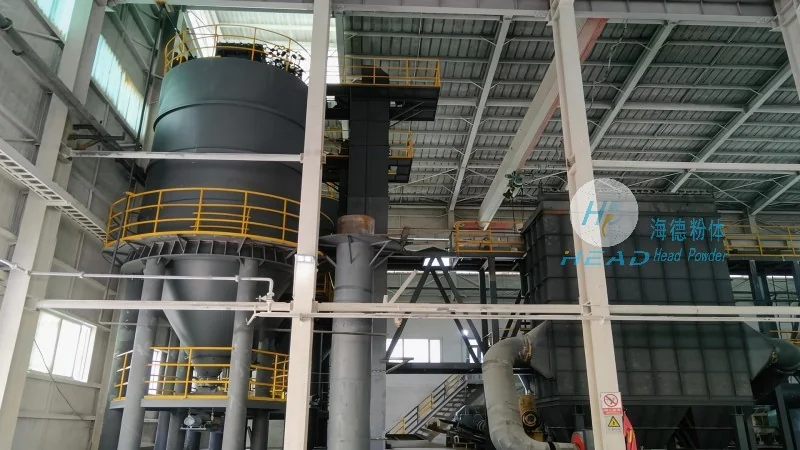
The Working Principle of Pneumatic Conveying
Pneumatic conveying operates on the principle of using air or gas to transport solid particles through a pipeline. In the case of barite powder, which is typically a fine, dense material, the system can be designed as either a pressure system (where air is introduced under pressure to push the material forward) or a vacuum system (where a vacuum is created to pull the material into the line). The pressure system is commonly used for short to medium-distance conveying, while vacuum systems are preferred for longer distances or when the material needs to be transported from multiple sources to a single destination.
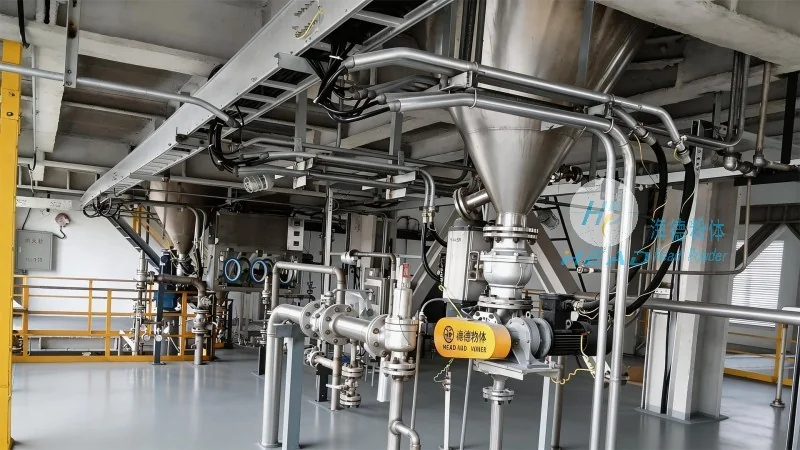
The Operational Process of Barite Powder Pneumatic Conveying
The operation of a barite powder pneumatic conveying system follows a systematic sequence of steps to ensure smooth and continuous material transport. The process begins with the material being fed from the hopper into the conveying line. The control system then adjusts the air pressure or vacuum level to initiate the flow. As the air moves through the line, it creates a flow of the barite powder, carrying it to the discharge point. The system continuously monitors pressure and flow rates to maintain optimal performance, with automatic adjustments made as needed to prevent blockages or inefficiencies.
Efficiency and Advantages of Pneumatic Conveying for Barite Powder
Compared to traditional methods like belt conveyors or bucket elevators, pneumatic conveying offers several advantages for handling barite powder. These include reduced risk of material contamination, lower maintenance requirements, and the ability to transport materials in a closed system, which minimizes dust emissions and improves workplace safety. The flexibility of pneumatic systems also allows for easy integration with other industrial processes, making them a preferred choice for modern manufacturing facilities.
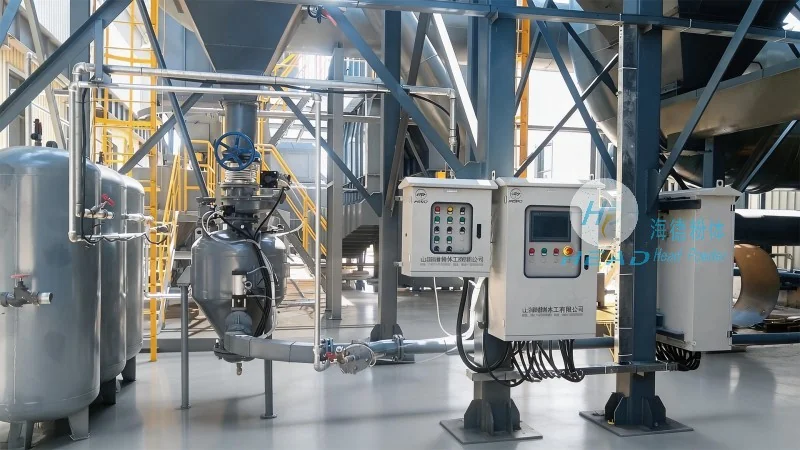
About HeadPowder Engineering Co., Ltd.
HeadPowder Engineering Co., Ltd., headquartered in Shandong, China, is a reputable company dedicated to providing high-quality pneumatic conveying solutions for various industrial sectors. With a focus on innovation and customer satisfaction, the company has established itself as a trusted partner in the industry, delivering systems that meet the specific needs of clients while adhering to international standards and best practices.




