For those in the mining and material handling industries, understanding the technology behind efficient material transport is crucial. Among the various methods available, pneumatic conveying systems stand out for their ability to handle bulk materials like copper mine sand with precision and reliability. This article explores the concept of copper mine sand pneumatic conveying equipment, delving into its design principles and operational advantages.
Understanding Copper Mine Sand Pneumatic Conveying Equipment
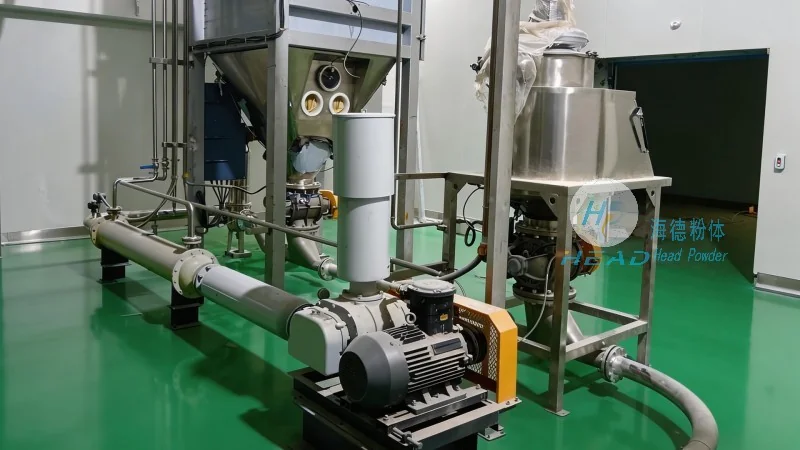
Copper mine sand pneumatic conveying equipment is a specialized system designed to transport copper mine sand—fine to medium-sized particles—from one location to another using air pressure or vacuum. Unlike traditional mechanical conveyors, which rely on belts or buckets, pneumatic systems utilize the force of air to move material through pipelines. This method is particularly advantageous in environments where dust control, flexibility, and minimal maintenance are priorities.
Key Components of the Equipment
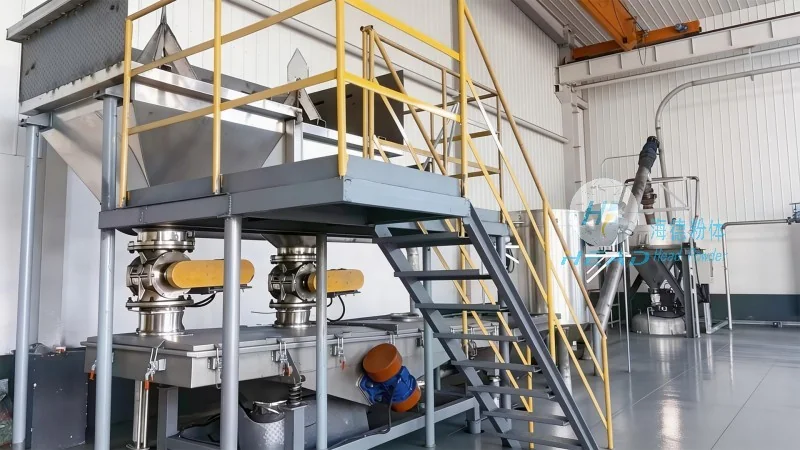
The effectiveness of a copper mine sand pneumatic conveying system hinges on its key components, each playing a critical role in the overall operation. The primary components include the material feed hopper, the air compressor or vacuum pump, the conveying pipeline, the control valves, and the discharge unit. The feed hopper ensures a consistent flow of copper mine sand into the system, while the air compressor generates the necessary pressure to propel the material through the pipeline. Control valves regulate the air flow and material velocity, preventing blockages and ensuring smooth operation. Finally, the discharge unit collects the material at the destination, completing the transport process.
Design Principles for Efficient Operation
The design of copper mine sand pneumatic conveying equipment follows several fundamental principles to ensure optimal performance. One of the most critical principles is maintaining a consistent air-to-material ratio. This ratio determines the velocity of the material in the pipeline and prevents clogging or excessive pressure buildup. Engineers calculate the optimal ratio based on the particle size, density, and moisture content of the copper mine sand, as well as the pipeline length and diameter. Another key principle is the use of appropriate pipeline materials and diameters. Stainless steel or corrosion-resistant materials are often chosen for copper mine sand due to its potential to cause wear or corrosion. The pipeline diameter is sized to accommodate the material flow without causing excessive friction or pressure loss.
Advantages of Using Pneumatic Conveying for Copper Mine Sand
Implementing a copper mine sand pneumatic conveying system offers several advantages over traditional methods. First, it provides excellent dust control, as the material is contained within the pipeline and air is filtered before release. This reduces health hazards and environmental impact, making it suitable for indoor or enclosed facilities. Second, the system offers high flexibility, allowing for changes in the transport route without major modifications. This is particularly beneficial in mining operations where the location of the mine or processing plant may shift over time. Third, pneumatic conveying systems require less maintenance compared to mechanical conveyors, as there are fewer moving parts and less wear from friction. This translates to lower operational costs and increased uptime.
Application Scenarios in Mining Operations
Copper mine sand pneumatic conveying equipment is widely used in various stages of copper mining and processing. In the extraction phase, it can transport raw copper ore from the mine to the processing plant. During the crushing and grinding stages, the equipment moves the fine copper mine sand to the flotation or separation units. After processing, it can transport the final copper concentrate to storage or shipping facilities. The system’s ability to handle fine particles and maintain consistent flow makes it ideal for these applications, ensuring that the material is transported efficiently and without loss.
Customization and Scalability
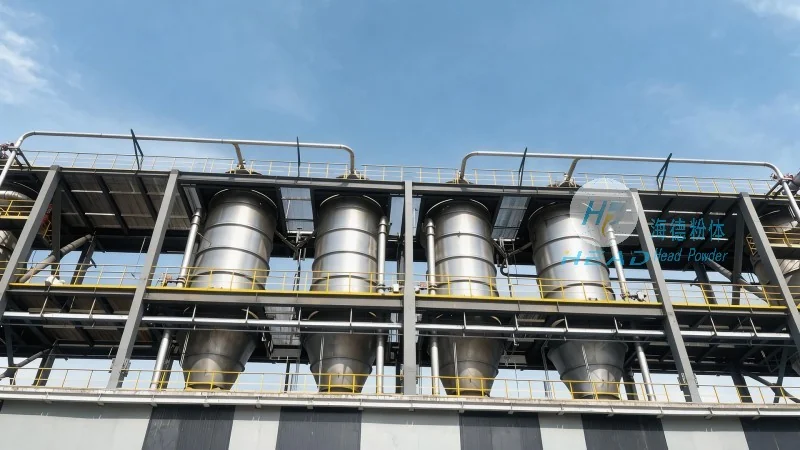
Manufacturers of copper mine sand pneumatic conveying equipment, such as Shandong HeadPowder Engineering Co., Ltd., understand that each mining operation has unique requirements. Therefore, they offer customized solutions tailored to specific needs. These solutions may include variations in pipeline length, diameter, and material handling capacity, as well as integration with existing mining infrastructure. The equipment can be scaled up or down to accommodate changes in production volume, ensuring that the system remains efficient and cost-effective. Customization also allows for the inclusion of advanced features, such as automated control systems and real-time monitoring, to enhance operational performance.
Conclusion
Copper mine sand pneumatic conveying equipment is a sophisticated and efficient solution for transporting copper mine sand in mining operations. By adhering to key design principles, such as maintaining the optimal air-to-material ratio and using appropriate materials, the system ensures reliable and consistent performance. The advantages of dust control, flexibility, and low maintenance make it a preferred choice over traditional mechanical conveyors. As mining operations continue to evolve, the demand for advanced material handling systems like this will only increase, highlighting the importance of investing in reliable and well-designed equipment.




