High-alumina fly ash, a byproduct of coal combustion, is widely used in construction and industrial applications due to its beneficial properties. The efficient handling and transportation of this material are crucial for industrial operations, and pneumatic conveying systems have emerged as a reliable solution. This article explores the concept of high-alumina fly ash pneumatic conveying equipment and delves into its fundamental design principles, highlighting the technology's role in modern material handling.
Understanding High-Alumina Fly Ash
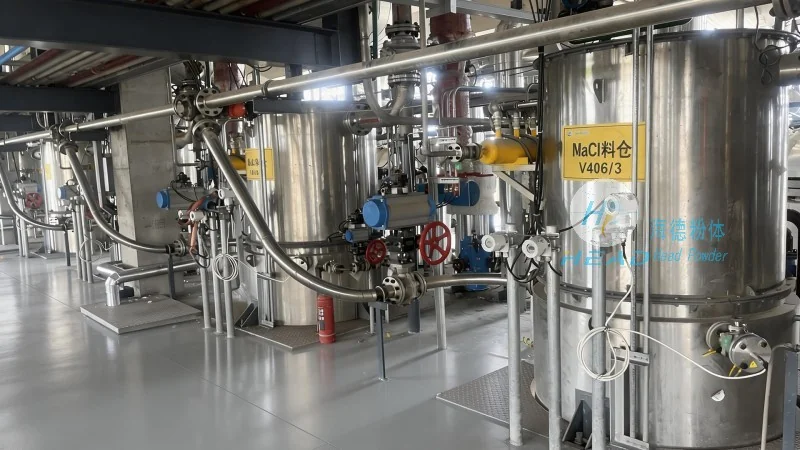
High-alumina fly ash, often referred to as HAF, is a fine powder composed primarily of silicon dioxide, aluminum oxide, and other minerals. It is generated during the combustion of coal in thermal power plants and is known for its high reactivity and pozzolanic properties, making it an essential component in concrete production and other building materials. The characteristics of high-alumina fly ash, such as its particle size distribution and moisture content, significantly influence the selection and design of pneumatic conveying systems. Proper understanding of these properties is essential for optimizing the performance of the conveying equipment.
Pneumatic Conveying Technology Overview
Pneumatic conveying systems utilize air or gas to transport bulk materials like high-alumina fly ash through a pipeline network. These systems can be categorized into two main types: pressure and vacuum. Pressure systems operate by blowing air or gas into the material to create a flow, while vacuum systems draw material into the pipeline using a vacuum pump. The choice between these systems depends on factors such as material characteristics, distance, and required flow rate. High-alumina fly ash, with its fine particle size and potential for dust generation, often necessitates specialized pneumatic conveying equipment to ensure efficient and safe transport.
Design Principles of High-Alumina Fly Ash Pneumatic Conveying Equipment
The design of high-alumina fly ash pneumatic conveying equipment involves several critical principles to ensure optimal performance and reliability. First, the system must be capable of handling the specific physical properties of high-alumina fly ash, including its particle size, density, and moisture content. The equipment must be designed to prevent material buildup and blockages, which are common issues in pneumatic conveying systems due to the fine nature of the ash. Second, the system should minimize dust emissions and ensure environmental compliance. This is achieved through the use of efficient filtration systems and proper sealing mechanisms. Third, energy efficiency is a key consideration, as pneumatic conveying systems can consume significant power. The design incorporates components like high-efficiency blowers and optimized pipeline layouts to reduce energy consumption. Finally, the equipment must be durable and resistant to corrosion, as high-alumina fly ash can be abrasive and may contain acidic components that can degrade metal surfaces over time.
Key Components of the Pneumatic Conveying System
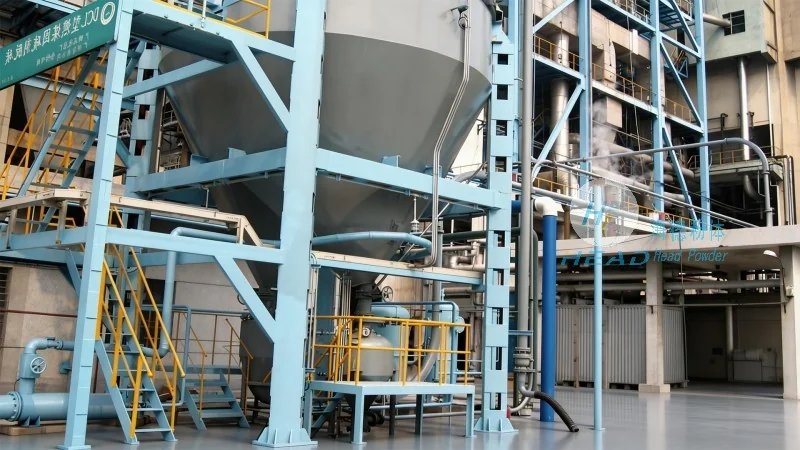
High-alumina fly ash pneumatic conveying equipment typically consists of several key components that work in concert to achieve efficient material transport. These components include the material feed hopper, which stores and feeds the ash into the system; the air or gas source, such as a blower or compressor, which provides the necessary pressure or vacuum; the conveying pipeline, which transports the material; and the discharge unit, which delivers the ash to the destination. The feed hopper is designed with a hopper angle and material flow aids to prevent clogging and ensure consistent material flow. The air source is selected based on the required flow rate and pressure, with considerations for noise and energy efficiency. The pipeline is made of materials resistant to corrosion and abrasion, such as stainless steel or specialized coatings, to withstand the harsh conditions of high-alumina fly ash transport. The discharge unit may include a rotary valve or a pressure relief valve to control the flow and prevent backflow.
Advantages of High-Alumina Fly Ash Pneumatic Conveying
Implementing high-alumina fly ash pneumatic conveying systems offers several advantages for industrial operations. First, the technology enables the safe and efficient transport of fine powders over long distances without the need for manual handling or bulk handling equipment. This reduces labor costs and improves workplace safety by minimizing exposure to dust and other hazards. Second, pneumatic conveying systems can handle high volumes of material, making them suitable for large-scale industrial applications. The continuous flow capability of the system ensures a steady supply of high-alumina fly ash to production lines, enhancing operational efficiency. Third, the system can be integrated with other industrial processes, such as mixing and blending, to create a seamless material handling workflow. This integration reduces downtime and improves overall productivity. Finally, the equipment is relatively compact and can be installed in various industrial settings, making it a flexible solution for different applications.
Application Scenarios in Industrial Settings
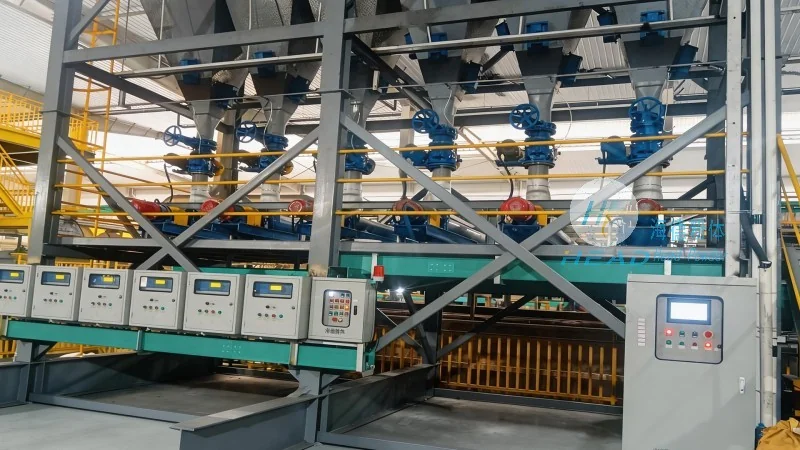
High-alumina fly ash pneumatic conveying equipment is widely used in various industrial sectors, including construction, power generation, and manufacturing. In the construction industry, the equipment is used to transport high-alumina fly ash to concrete mixing plants, where it is incorporated into concrete mixes to improve strength and durability. In power plants, the system is employed to handle fly ash from the boiler, transporting it to storage silos or disposal sites. In manufacturing, the equipment is used to convey high-alumina fly ash to production lines for use in the manufacturing of building materials, such as bricks and tiles. The versatility of the system allows it to be adapted to different application requirements, making it a valuable asset in various industrial settings.
Company Profile: Shandong HeadPowder Engineering Co., Ltd.
Shandong HeadPowder Engineering Co., Ltd., commonly known as HeadPowder, is a leading manufacturer of high-quality pneumatic conveying equipment and related solutions. With a strong focus on innovation and customer satisfaction, the company has established itself as a trusted partner in the material handling industry. HeadPowder specializes in designing and manufacturing customized high-alumina fly ash pneumatic conveying systems tailored to the specific needs of its clients. The company's products are known for their durability, efficiency, and reliability, meeting the stringent requirements of industrial applications. HeadPowder's commitment to quality is reflected in its adherence to international standards and rigorous testing procedures. The company's team of experienced engineers and technicians ensures that each product is designed to deliver optimal performance and long-term value. HeadPowder's facilities are equipped with state-of-the-art technology and equipment, enabling the company to produce high-quality products efficiently and on time. The company's customer-centric approach and dedication to service have earned it a reputation for excellence in the industry.
Conclusion
High-alumina fly ash pneumatic conveying equipment plays a vital role in the efficient and safe handling of this important industrial material. The design principles and components of these systems are carefully engineered to address the unique challenges posed by high-alumina fly ash, ensuring reliable and efficient transport. As industrial operations continue to evolve, the demand for advanced material handling solutions will increase, and high-alumina fly ash pneumatic conveying systems will remain a key technology in meeting these needs. With the expertise and experience of companies like Shandong HeadPowder Engineering Co., Ltd., the industry can rely on robust and reliable equipment to optimize material handling processes and enhance overall operational efficiency.




