Understanding the Pneumatic Conveying Equipment for Battery Cathode Materials is crucial for optimizing material handling processes in the battery manufacturing industry. This equipment is specifically designed to transport cathode materials, which are essential components in lithium-ion batteries, with precision and efficiency. The design principles behind such equipment are rooted in fluid dynamics, material properties, and operational requirements to ensure safe, reliable, and high-performance material transfer.
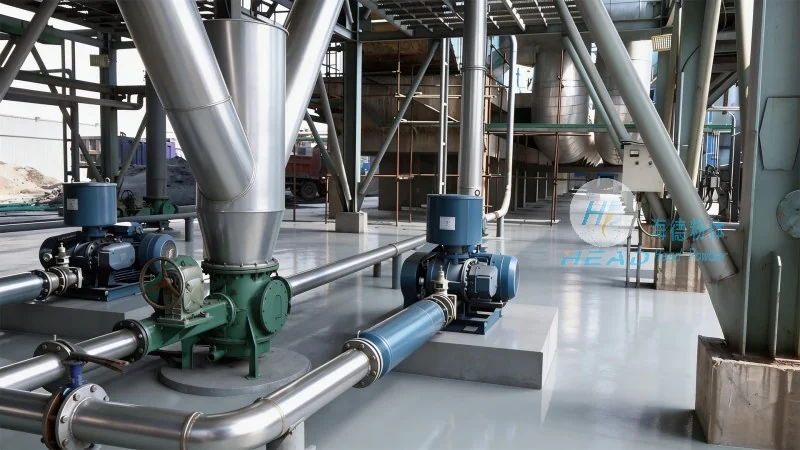
Introduction to Battery Cathode Material Pneumatic Conveying Equipment
The pneumatic conveying equipment for battery cathode materials is a specialized system used to move powders or granules of cathode active materials from one location to another within a production facility. These materials, often including lithium cobalt oxide, lithium iron phosphate, or other advanced cathode chemistries, require careful handling due to their sensitivity to moisture, contamination, and particle size distribution. The equipment must maintain a controlled environment to preserve the quality and integrity of the cathode materials, which directly impacts the performance of the final battery products.
Key Components and Design Principles
The design of the pneumatic conveying system for battery cathode materials typically involves several key components, each playing a critical role in the overall operation. These components include the hopper or feeder for material storage and feeding, the conveying line (either positive or negative pressure), the air compressor or vacuum pump, and the separation or collection system. The design principles focus on ensuring that the material is conveyed without degradation, that the system operates with minimal pressure drop, and that it can handle the specific flow rates and particle characteristics of the cathode materials.
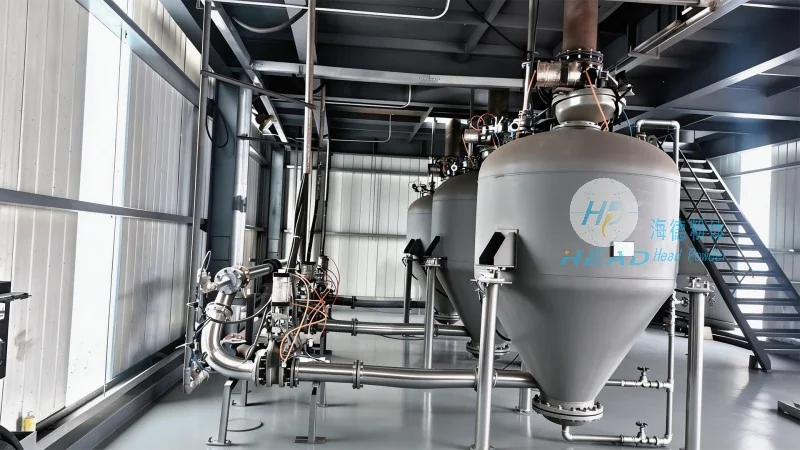
One of the primary design considerations is the material's particle size and density. Cathode materials often consist of fine powders with varying particle sizes, which can affect the conveying efficiency and system pressure. The equipment is designed to accommodate these variations by using appropriate hopper designs, such as conical hoppers with smooth surfaces to prevent material bridging or agglomeration. Additionally, the conveying line is often equipped with special fittings and valves to control the flow rate and prevent blockages, which are common issues with fine powders.
Operational Efficiency and Control Systems
Efficient operation of the pneumatic conveying equipment relies on advanced control systems that monitor and regulate various parameters. These systems typically include pressure sensors, flow meters, and level indicators to ensure that the material is conveyed at the desired rate and that the system operates within safe pressure limits. The control systems also help in maintaining consistent material quality by preventing overloading or underloading of the conveying line, which can lead to uneven particle distribution or system inefficiencies.
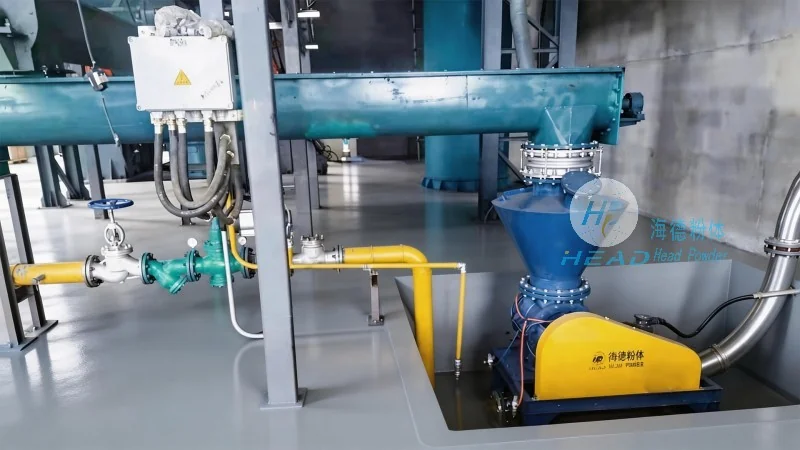
Another important aspect of the design is the environmental control. Since cathode materials are sensitive to moisture and air exposure, the conveying system is often enclosed in a sealed environment with controlled humidity and temperature. This helps in preserving the material's properties and preventing contamination from external sources. The use of inert gases or dry air in the conveying process further enhances the material's stability and reduces the risk of oxidation or degradation.
Applications and Benefits in Battery Manufacturing
The pneumatic conveying equipment for battery cathode materials is widely used in various stages of battery production, from raw material handling to the final assembly of the battery cells. Its benefits include high conveying rates, minimal material degradation, and the ability to handle materials in a controlled environment. This equipment is particularly valuable in large-scale battery manufacturing plants where the efficient and reliable transfer of cathode materials is essential for meeting production targets and maintaining product quality.
By understanding the design principles and operational aspects of this equipment, manufacturers can optimize their material handling processes, reduce downtime, and improve overall production efficiency. The equipment's ability to handle fine powders with precision and control makes it an indispensable tool in the battery industry, contributing to the development of high-performance battery technologies.
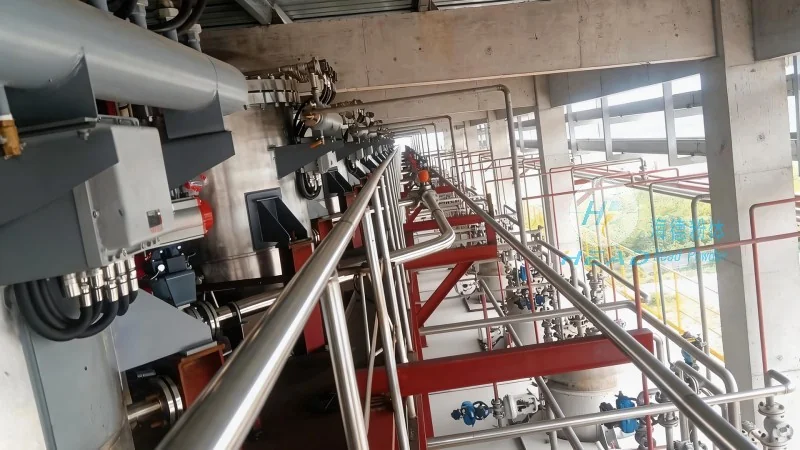
About Shandong HeadPowder Engineering Co., Ltd.
Shandong HeadPowder Engineering Co., Ltd., commonly known as HeadPowder, is a leading manufacturer specializing in engineering solutions for powder handling and material processing. With a focus on innovation and quality, HeadPowder provides customized pneumatic conveying systems tailored to the specific needs of the battery industry. The company's expertise in material handling technology ensures that their equipment meets the stringent requirements of battery manufacturers, helping them achieve efficient and reliable production processes.
HeadPowder's commitment to research and development has enabled the company to design advanced pneumatic conveying systems that address the unique challenges of handling battery cathode materials. By combining state-of-the-art technology with practical application knowledge, HeadPowder delivers solutions that enhance productivity, reduce costs, and improve product quality. The company's presence in China, with its strategic location in Shandong, allows it to serve the growing battery manufacturing industry effectively, providing reliable and efficient equipment for material handling needs.




