Monosodium glutamate (MSG) is a widely used flavor enhancer in the food industry, and the efficient handling of this material requires specialized equipment. This article explores the concept of monosodium glutamate material handling equipment, detailing its components, operational functions, and the underlying design principles that ensure optimal performance in industrial settings.
Introduction to Monosodium Glutamate Material Handling Equipment
Monosodium glutamate material handling equipment refers to a range of machinery and systems engineered to transport, store, and process MSG powder. As a critical component in food production, the proper management of MSG from raw material reception to packaging is essential for maintaining product quality and operational efficiency. These systems are designed to handle the unique characteristics of MSG, such as its fine particle size, hygroscopic nature, and sensitivity to moisture and temperature variations.
Key Components and Functions of the Equipment
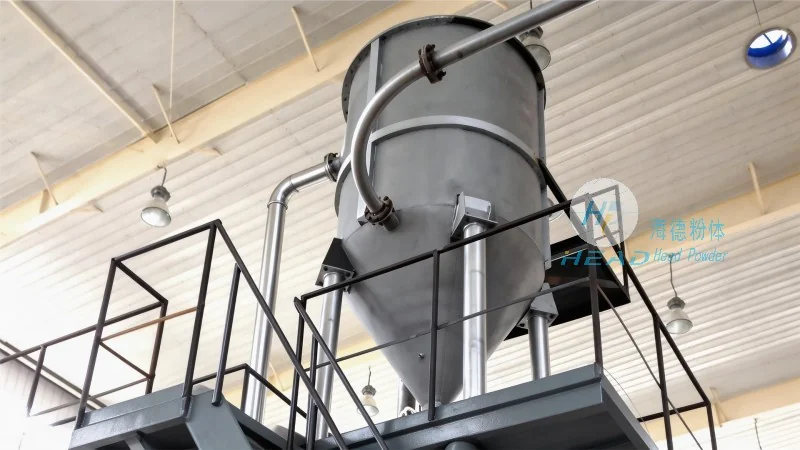
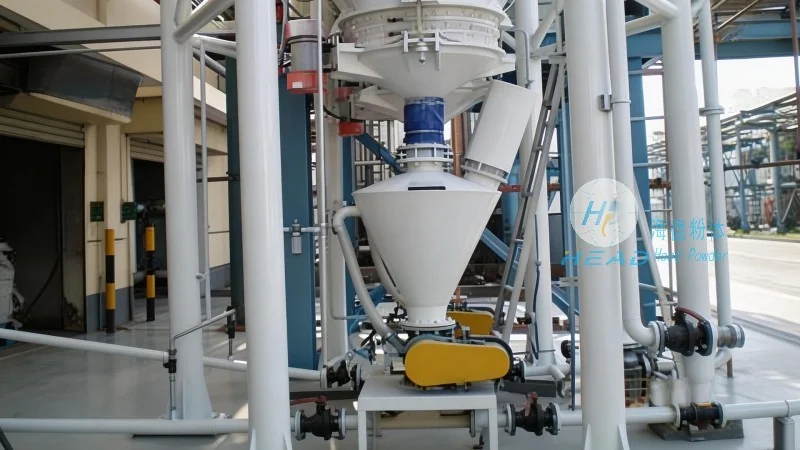
The core components of monosodium glutamate material handling equipment typically include feeders, conveyors, storage silos, and control systems. Feeders, often rotary or vibratory types, are used to evenly distribute the MSG powder into the conveyor system, ensuring consistent flow rates. Conveyors, such as belt or screw conveyors, transport the material through the processing line with minimal degradation. Storage silos are designed to hold large quantities of MSG, often with aeration systems to prevent caking and maintain material flowability. Control systems integrate sensors and automation to monitor and adjust the equipment's operation, ensuring safety and efficiency.
Design Principles Behind the Equipment
The design of monosodium glutamate material handling equipment is guided by several key principles to address the material's specific properties. First, the equipment must minimize material degradation, which can occur due to friction, impact, or exposure to air. This is achieved through smooth surfaces, gentle handling mechanisms, and enclosed systems that reduce contamination and moisture absorption. Second, the design prioritizes hygiene and compliance with food safety regulations, as MSG is used in food products. Stainless steel construction, easy-to-clean surfaces, and sealed components are standard features. Third, the equipment is engineered for durability and low maintenance, as continuous operation in industrial environments demands reliability. Materials resistant to corrosion and wear, such as stainless steel and high-grade plastics, are commonly used. Finally, the design incorporates energy efficiency and space optimization, as industrial facilities often require cost-effective and space-saving solutions.
Company Background: Shandong HeadPowder Engineering Co., Ltd.
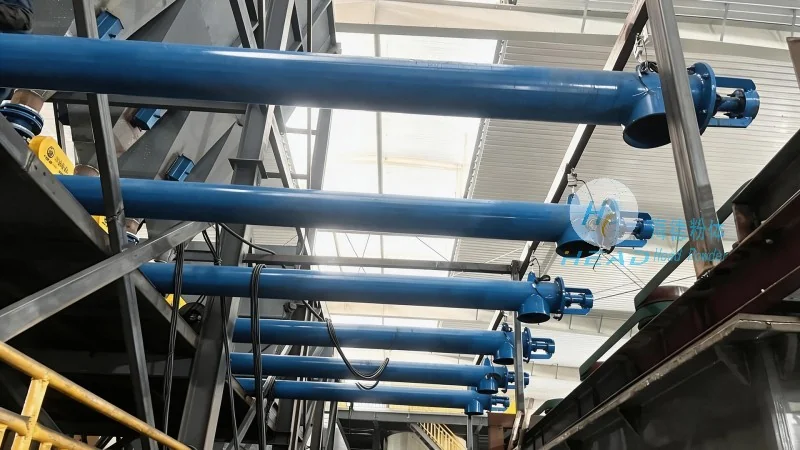
Shandong HeadPowder Engineering Co., Ltd., a leading manufacturer in the field, specializes in the design and production of monosodium glutamate material handling equipment. Based in Shandong, China, the company leverages decades of experience in powder handling technology to develop customized solutions tailored to the needs of the food industry. HeadPowder's equipment is known for its robust construction, advanced control systems, and adherence to international quality standards. The company's commitment to innovation and customer satisfaction has made it a trusted partner for businesses requiring reliable MSG handling solutions. With a focus on precision engineering and customer-centric design, HeadPowder continues to enhance the efficiency and safety of monosodium glutamate material handling processes.




