Barley, a foundational grain in numerous food and beverage applications, necessitates specialized equipment for its efficient handling, storage, and processing. The machinery and systems dedicated to moving, managing, and preparing barley are collectively known as barley material handling equipment. This equipment is vital for optimizing the flow of barley from agricultural fields or storage facilities to processing plants, ensuring the grain is handled with care and efficiency throughout the entire supply chain.
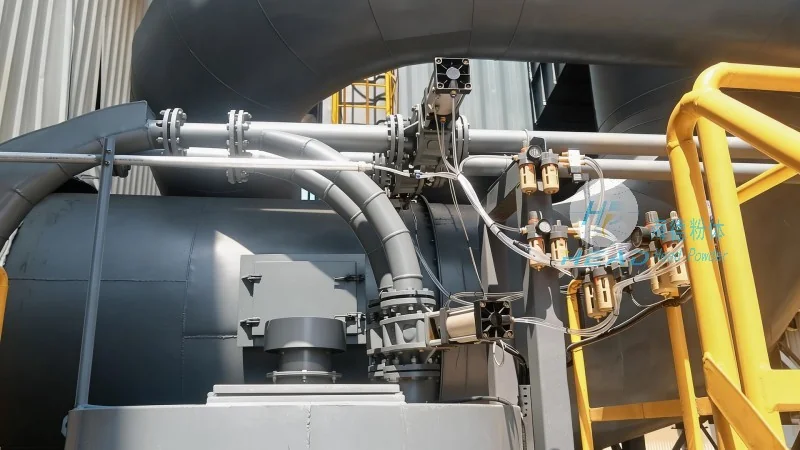
Understanding Barley Material Handling Equipment
Barley material handling equipment is engineered to address the unique physical properties of barley, such as its size, density, and moisture content. These characteristics influence how the grain moves and is stored, making specialized equipment essential. The goal of this equipment is to minimize damage to barley kernels, preserve grain quality, and enhance overall operational efficiency. Common types of barley material handling equipment include conveyors, elevators, storage silos, and processing units. Each component plays a critical role in the seamless operation of barley handling facilities, from initial collection to final product preparation.
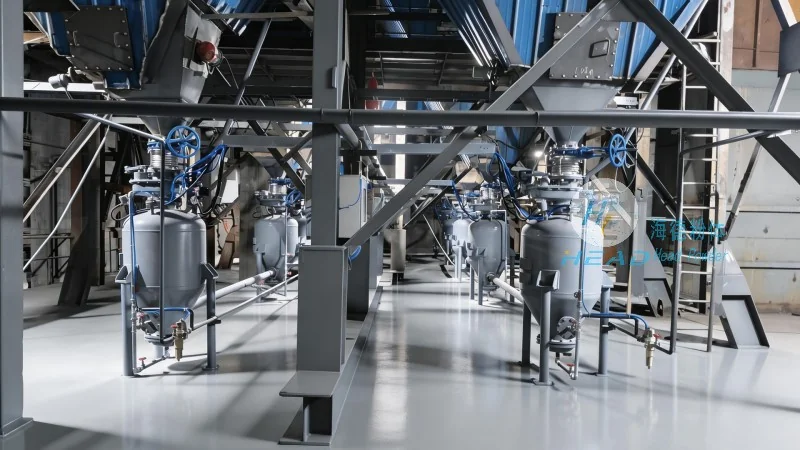
Key Components and Functionalities of Barley Material Handling Equipment
The design of barley material handling equipment centers on tailored solutions for the barley industry. Key components typically include feeders, which regulate the flow of barley into the system; conveyors, such as belt or chain types, which transport the grain horizontally or vertically; and storage silos, which provide controlled environments for bulk storage. These elements work in concert to ensure barley is moved from source to processing plants with minimal loss and maximum efficiency. The equipment is also designed to accommodate variations in barley quality, such as different varieties or moisture levels, without compromising the integrity of the grain.
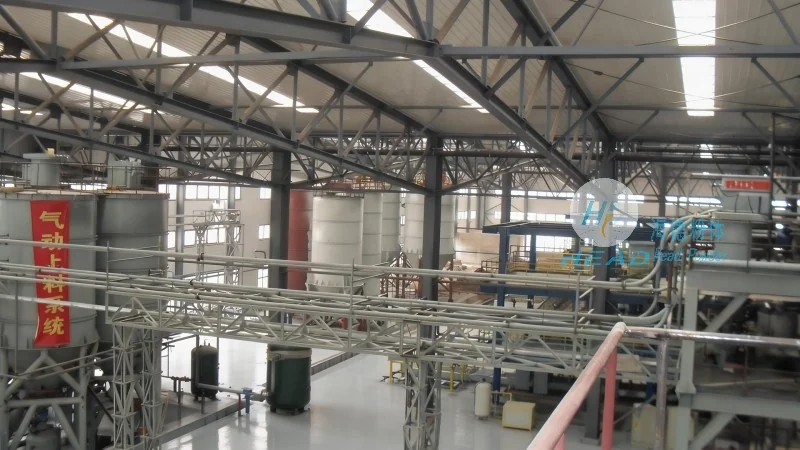
Design Principles for Efficient Barley Material Handling
The design principles guiding barley material handling equipment prioritize efficiency, minimal downtime, and operational safety. A core principle is the use of gentle handling mechanisms to prevent kernel damage, as this directly impacts market value and product quality. This involves slow-moving conveyors and soft contact surfaces for the grain. Another principle is the integration of automation and control systems, enabling precise monitoring and adjustment of the handling process. This ensures consistent flow rates and prevents overloading or underloading of equipment. Additionally, the design emphasizes easy cleaning and maintenance, as barley can be sticky and leave residue. This maintains equipment in optimal condition and reduces contamination risks.
Applications of Barley Material Handling Equipment in Industry
Barley material handling equipment is widely utilized across various stages of the barley production and processing cycle. In agriculture, it moves harvested barley from fields to storage facilities. In milling and brewing industries, the equipment transports barley to processing plants for cleaning, drying, and milling into flour or malt. It also supports storage and distribution, keeping barley in optimal conditions until use in food or beverage products. The versatility of this equipment makes it indispensable for businesses in the barley sector, helping streamline operations and boost productivity.
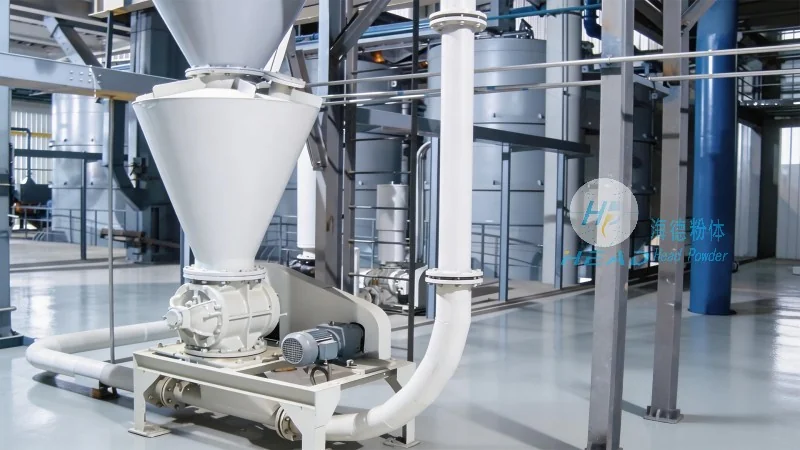
Conclusion
Barley material handling equipment is a critical asset in the barley industry, engineered to efficiently move, store, and process barley while preserving its quality and integrity. Design principles focus on gentle handling, automation, and maintenance ease, meeting modern processing demands. Companies like Shandong HeadPowder Engineering Co., Ltd., based in China, specialize in manufacturing and supplying high-quality barley material handling equipment. This supports businesses in optimizing operations and enhancing efficiency. With appropriate equipment and design, barley handling can be executed safely and effectively, fostering growth and success in the barley industry.




