Cotton material handling equipment is a specialized category of machinery designed to efficiently transport, process, and manage cotton materials in various industrial settings. These systems are crucial for optimizing workflow, ensuring safety, and enhancing productivity in cotton processing operations. The equipment encompasses a range of devices tailored to different stages of cotton handling, from raw cotton reception to bale formation and storage. By integrating advanced technologies and robust engineering, these systems address the unique challenges of handling cotton, such as its lightweight nature, variable moisture content, and tendency to clump or mat. The goal is to create a seamless and efficient process that minimizes manual intervention and maximizes the quality of the final product.
Key Components of Cotton Material Handling Systems
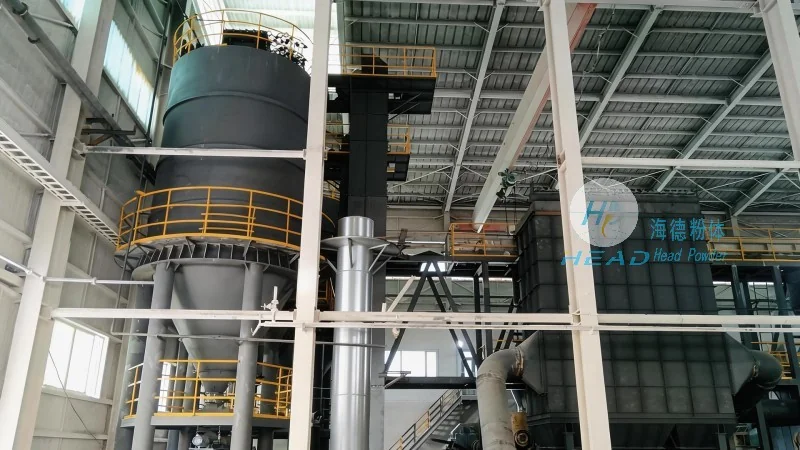
At the core of cotton material handling equipment are several key components that work in tandem to achieve seamless material flow. These components typically include feeders, conveyors, and processing units. Feeders are responsible for uniformly distributing cotton material into the system, ensuring consistent input for downstream processes. For instance, rotary feeders or vibratory feeders are commonly used to feed raw cotton into ginning machines, preventing overloading and maintaining a steady flow. Conveyors, such as belt or chain conveyors, transport cotton from one stage to another with precision and speed. These conveyors are often equipped with adjustable speed controls and material sensors to adapt to varying loads and ensure smooth operation. Processing units may include cleaning mechanisms, such as air separators or lint cleaners, which remove impurities like seeds, leaves, and dust. These units are designed to maintain the purity of the cotton, improving its quality for subsequent processing steps. Additionally, some systems incorporate sorting mechanisms to separate different grades of cotton, allowing for more efficient use of the material.
Design Principles for Efficient Cotton Handling
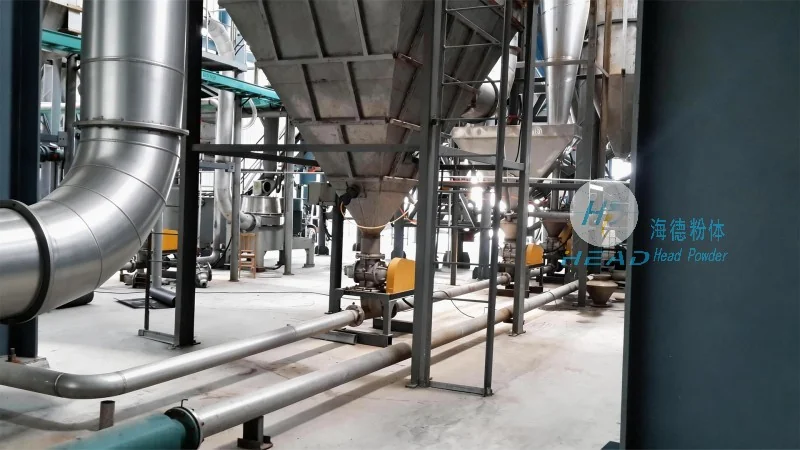
The design of cotton material handling equipment follows several fundamental principles aimed at maximizing efficiency and minimizing operational costs. One primary principle is the integration of automation and control systems, which allow for real-time monitoring and adjustment of the handling process. This ensures that the equipment operates at optimal performance levels, reducing downtime and improving overall productivity. For example, PLC (Programmable Logic Controller) systems are often used to control conveyor speeds, feeder rates, and cleaning cycles, enabling precise control over the entire process. Another critical principle is the emphasis on durability and reliability, as cotton handling equipment is often subjected to harsh operating conditions, including high moisture content and abrasive materials. Materials such as stainless steel and corrosion-resistant alloys are commonly used to ensure long-term durability. Additionally, the design incorporates features like easy maintenance access and modular components, which simplify repairs and reduce maintenance time. This focus on reliability ensures that the equipment can operate continuously without frequent breakdowns, contributing to higher productivity and lower operational costs.
Applications of Cotton Material Handling Equipment
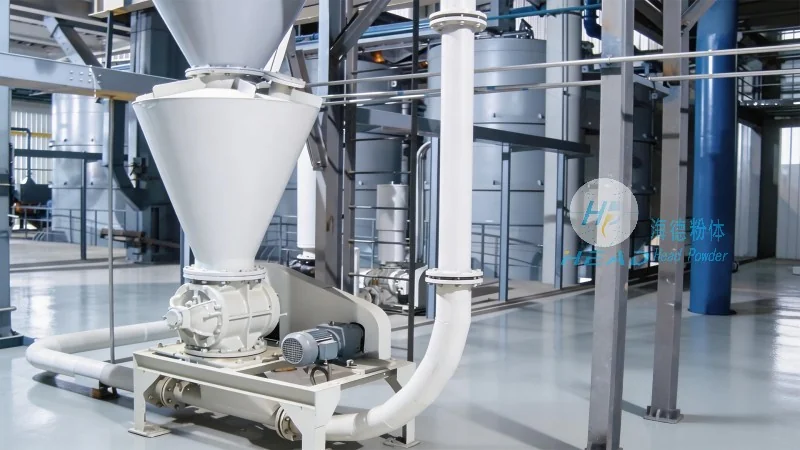
Cotton material handling equipment is widely used in various stages of cotton processing, including ginning, baling, and storage. In the ginning process, equipment like cotton feeders and conveyors transport raw cotton into the ginning machine, where seeds and other impurities are removed. The feeders ensure that raw cotton is delivered at a consistent rate, preventing overloading and ensuring the ginning machine operates efficiently. Conveyors then transport the cleaned cotton to the baling stage, where it is compressed into bales. In the baling stage, specialized baling machines compress cotton into bales, which are then transported and stored using conveyor systems. The equipment also plays a role in the storage and distribution of cotton, ensuring that bales are handled safely and efficiently to prevent damage or loss. For instance, storage conveyors and stackers are used to organize bales in warehouses, optimizing space utilization and facilitating easy retrieval. The entire system is designed to maintain the integrity of the cotton, ensuring that it remains in good condition from raw material to final storage.




