For industries dealing with sodium chloride, an efficient material handling system is crucial for maintaining operational efficiency and safety. A sodium chloride material handling system is a specialized setup designed to transport, store, and manage sodium chloride, a common chemical compound used in various applications such as de-icing, water treatment, and food processing. Understanding the components and design principles of such a system is essential for optimizing performance and ensuring compliance with industry standards.
About HeadPowder: Your Trusted Partner in Material Handling Solutions
HeadPowder, a leading provider of engineering solutions, specializes in designing and manufacturing tailored material handling systems. With years of experience in the field, HeadPowder has established itself as a reliable partner for businesses seeking robust and efficient systems for sodium chloride and other bulk materials. Based in Shandong, China, HeadPowder combines advanced technology with expert engineering to deliver systems that meet the unique needs of each client.
Key Components of a Sodium Chloride Material Handling System
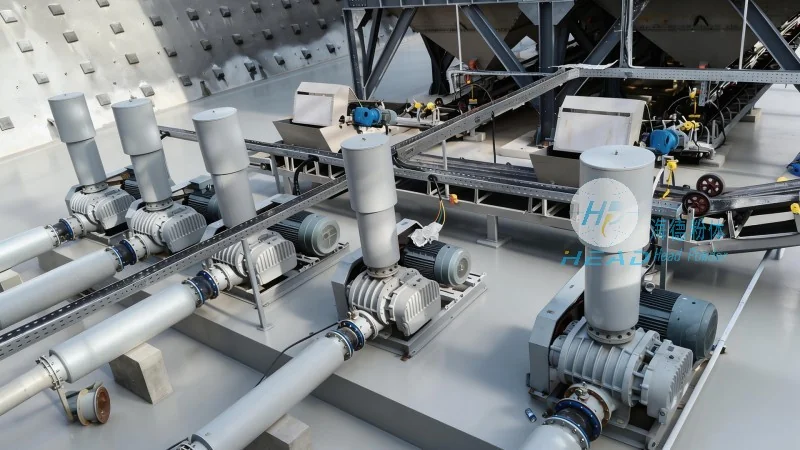
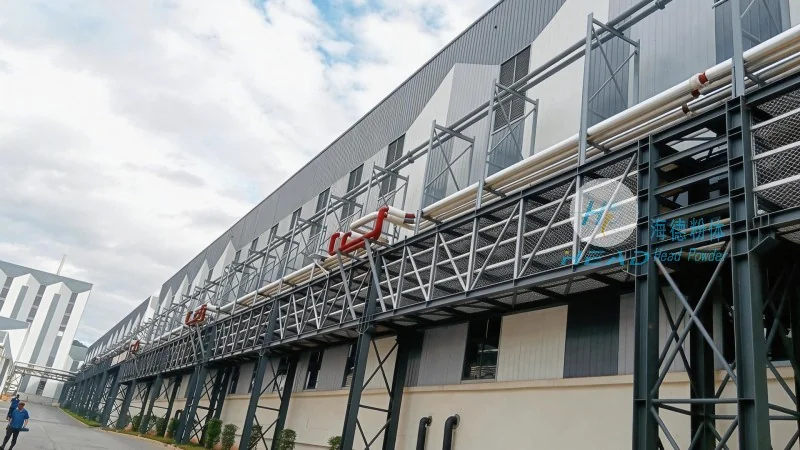
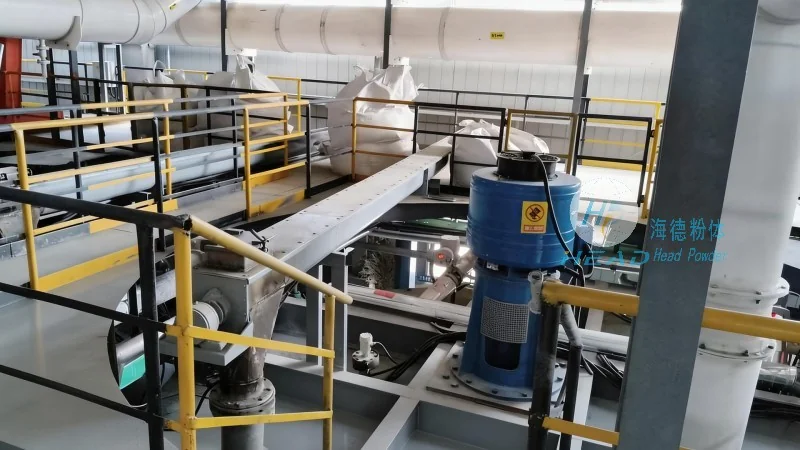
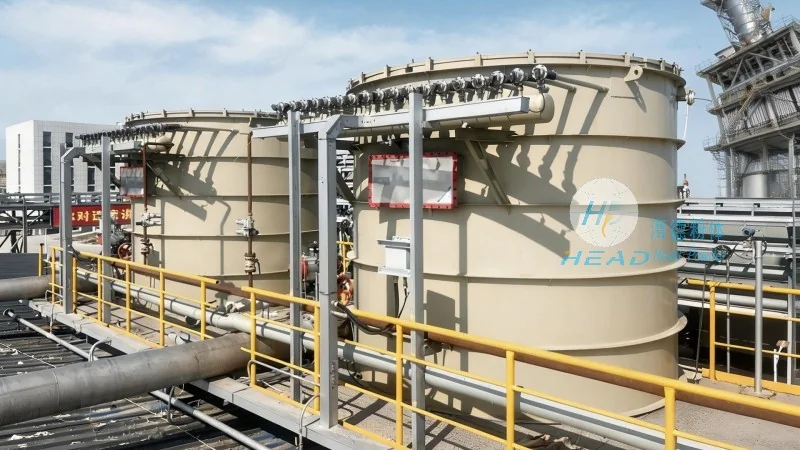
A typical sodium chloride material handling system comprises several key components that work in harmony to ensure smooth operation. These components include storage silos or hoppers, conveying equipment such as belt conveyors or screw conveyors, feeding mechanisms, and control systems. The storage silos are designed to hold large quantities of sodium chloride, often with features like anti-corrosion coatings to withstand the chemical properties of the material. Conveying equipment is selected based on the material's characteristics, such as bulk density and flowability, to ensure reliable transport from storage to processing or packaging areas. Feeding mechanisms, like rotary valves or vibratory feeders, regulate the flow of sodium chloride into downstream equipment, preventing blockages and maintaining consistent feed rates. Control systems, often integrated with sensors and automation, monitor and adjust the system's operations in real-time, enhancing efficiency and safety.
Design Principles for Optimal Performance
The design of a sodium chloride material handling system follows several key principles to ensure durability, efficiency, and safety. First, material compatibility is critical. Components such as silos, conveyors, and valves are constructed from materials resistant to sodium chloride, such as stainless steel or specialized polymers, to prevent corrosion and ensure long-term reliability. Second, flowability is a key consideration. Sodium chloride can be prone to bridging or caking, especially when stored for extended periods. Designers incorporate features like agitators or vibrators in silos to maintain consistent flow and prevent material buildup. Third, safety is paramount. Systems are designed with explosion-proof features and dust suppression measures to mitigate risks associated with handling bulk chemicals. Additionally, proper ventilation and grounding are implemented to prevent static buildup and ensure worker safety. Finally, scalability is considered, allowing the system to be expanded or modified as production needs evolve.
Benefits of an Efficient Sodium Chloride Material Handling System
Implementing a well-designed sodium chloride material handling system offers numerous benefits for businesses. Firstly, it enhances operational efficiency by reducing downtime and improving material flow. By minimizing blockages and ensuring consistent feed rates, the system allows for smoother production processes. Secondly, it improves safety by integrating features that prevent accidents and comply with regulatory standards. This reduces the risk of workplace incidents and associated costs. Thirdly, it extends equipment lifespan through proper material handling, reducing maintenance and replacement costs over time. Finally, it supports scalability, enabling businesses to adapt to growing production demands without significant system overhauls.
Conclusion: Choosing the Right Partner for Your Sodium Chloride Handling Needs
When selecting a material handling system for sodium chloride, it is essential to partner with a company that understands both the material's properties and the specific requirements of your operation. HeadPowder, with its expertise and commitment to quality, offers tailored solutions that meet the highest standards of performance and safety. By leveraging advanced engineering and customer-focused design, HeadPowder ensures that your sodium chloride material handling system is not only efficient but also reliable and durable. For businesses in need of a robust system, HeadPowder stands as a trusted choice, delivering solutions that drive operational success and sustainability.




