Understanding the lithium iron carbonate material handling system is crucial for industries involved in the processing and transportation of lithium iron carbonate (LiFeCO₃), a key component in lithium-ion batteries. This system is engineered to efficiently manage the flow, storage, and transfer of this material, ensuring safety, efficiency, and compliance with industrial standards. The design principles behind such systems are tailored to address the unique properties of LiFeCO₃, including its chemical stability, particle size distribution, and handling requirements.
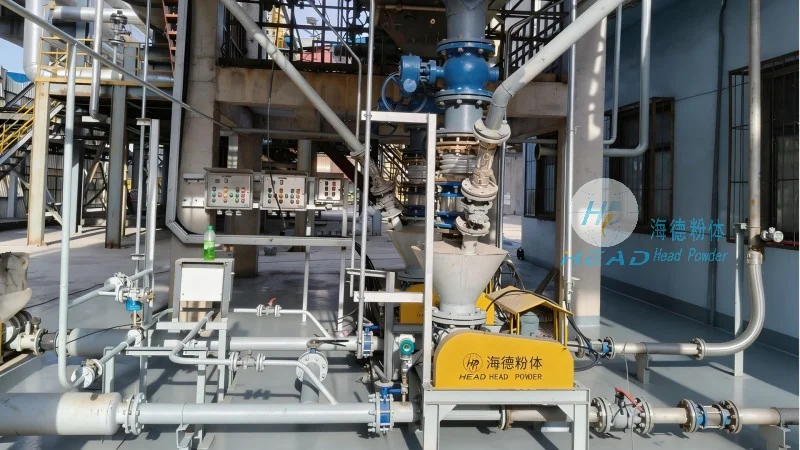
Introduction to Lithium Iron Carbonate Material Handling Systems
Lithium iron carbonate, or LiFeCO₃, is a critical raw material in the production of lithium-ion batteries, widely used in electric vehicles, renewable energy storage, and portable electronics. The material handling system for LiFeCO₃ is designed to facilitate the seamless movement of this material from mining or processing facilities to manufacturing plants. It encompasses a range of equipment and processes, including storage silos, conveyor systems, feeding mechanisms, and material handling devices, all optimized for the specific characteristics of LiFeCO₃. The primary goal of these systems is to minimize material loss, prevent contamination, and ensure consistent quality throughout the handling process.
Key Components and Design Principles of the System
The design of a lithium iron carbonate material handling system is based on several fundamental principles to ensure optimal performance. First, the system must be constructed from materials that are chemically inert and resistant to corrosion, as LiFeCO₃ is sensitive to certain chemicals and environmental factors. Common materials used include stainless steel, polyethylene, and specialized coatings that protect against wear and degradation. Second, the system incorporates advanced feeding and conveying technologies to handle the material's particle size and flow characteristics. This includes screw conveyors, pneumatic conveying systems, and vibratory feeders, which are designed to maintain the material's integrity and prevent agglomeration or degradation.
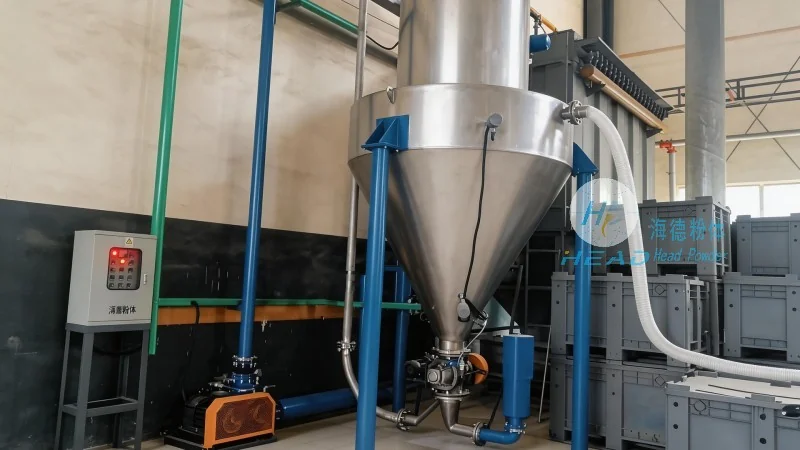
Third, the system emphasizes safety and environmental protection. This involves implementing dust control measures, such as enclosed conveyor systems and dust collection equipment, to minimize airborne particles and comply with environmental regulations. Additionally, the design incorporates safety features like emergency stop mechanisms, overload protection, and proper ventilation to protect operators and the surrounding environment. Fourth, the system is designed for scalability and adaptability, allowing it to be customized to meet the specific needs of different production facilities, from small-scale operations to large industrial plants.
HeadPowder's Expertise in Designing Material Handling Solutions
Shandong HeadPowder Engineering Co., Ltd., a leading provider of material handling solutions, specializes in designing and manufacturing systems tailored to the unique requirements of lithium iron carbonate and other industrial materials. With years of experience in the field, HeadPowder has developed a deep understanding of the challenges associated with handling LiFeCO₃, including its handling properties, storage needs, and transportation requirements. The company's engineers work closely with clients to assess their specific operational needs, material characteristics, and production goals, then design a customized material handling system that maximizes efficiency, safety, and cost-effectiveness.
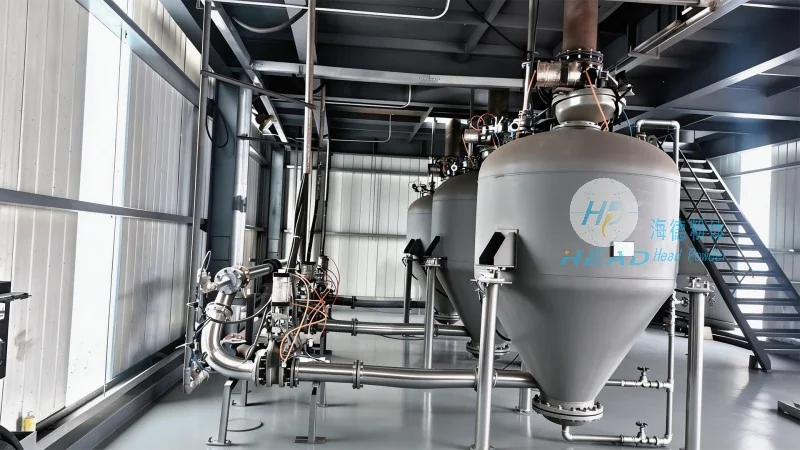
HeadPowder's approach to system design involves a comprehensive analysis of the entire material flow process, from raw material intake to final product output. This includes evaluating the material's particle size distribution, moisture content, and flowability, as well as the facility's layout and operational constraints. The company utilizes advanced engineering software and simulation tools to model the system's performance, ensuring that the design meets all functional and safety requirements before implementation. HeadPowder also provides comprehensive support services, including installation, commissioning, and ongoing maintenance, to ensure the system operates at peak performance throughout its lifecycle.
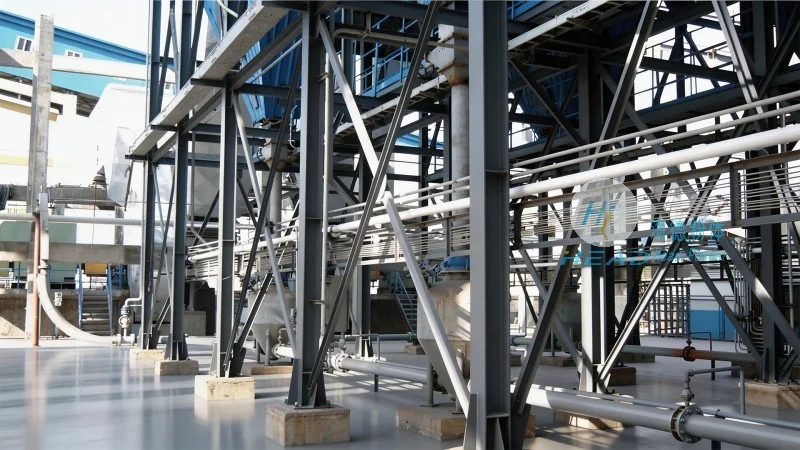
Benefits of Implementing a Lithium Iron Carbonate Material Handling System
Adopting a well-designed lithium iron carbonate material handling system offers numerous benefits for industrial operations. Firstly, it enhances operational efficiency by streamlining the material flow process, reducing downtime, and minimizing material losses. This leads to lower production costs and increased productivity. Secondly, the system improves product quality by maintaining the material's purity and consistency, which is critical for the performance of lithium-ion batteries. Thirdly, it enhances safety by implementing robust safety features and dust control measures, reducing the risk of accidents and environmental contamination. Finally, the system provides scalability, allowing companies to expand their operations without significant changes to the material handling infrastructure.
Conclusion
In conclusion, a lithium iron carbonate material handling system is a sophisticated and essential component of the lithium-ion battery production process. Its design principles are centered on efficiency, safety, and material integrity, tailored to the unique properties of LiFeCO₃. Companies like Shandong HeadPowder Engineering Co., Ltd. play a vital role in providing customized solutions that meet the specific needs of their clients, ensuring that the material is handled effectively and safely from extraction to manufacturing. By investing in a well-designed material handling system, industries can improve their operational performance, enhance product quality, and contribute to the sustainable development of the battery industry.




