Understanding the design principles and functionality of ferric sulfate material handling systems is crucial for industries dealing with this chemical compound. Ferric sulfate, also known as iron(III) sulfate, is a widely used chemical in water treatment, industrial processes, and other applications. The efficient transportation and handling of this material require specialized systems that ensure safety, efficiency, and compliance with operational standards.
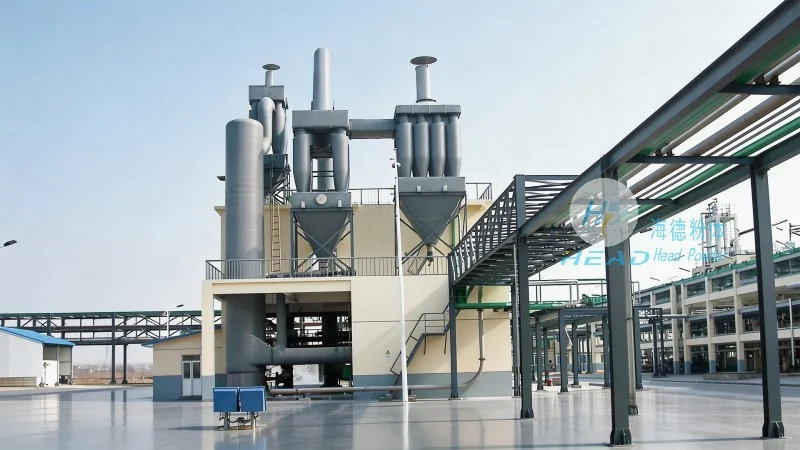
HeadPowder Engineering: Your Partner in Material Handling Solutions
Shandong HeadPowder Engineering Co., Ltd. is a leading provider of customized material handling systems tailored to the specific needs of industrial clients. With a focus on innovation and reliability, HeadPowder offers comprehensive solutions for transporting and managing ferric sulfate and other bulk materials. The company's expertise lies in designing systems that optimize workflow, reduce downtime, and enhance overall operational efficiency.
Key Components of Ferric Sulfate Material Handling Systems
The core components of a ferric sulfate material handling system typically include storage silos, conveyor systems, feeding mechanisms, and discharge equipment. Each component plays a vital role in ensuring the smooth flow of material from storage to processing or packaging. Storage silos are designed to hold large quantities of ferric sulfate, often with features like aeration to prevent caking and maintain material flowability. Conveyor systems, such as belt conveyors or screw conveyors, transport the material from the silo to the processing area. Feeding mechanisms, including rotary valves or gate valves, control the rate of material discharge, ensuring precise dosing and preventing overloading of downstream equipment. Discharge equipment, like hoppers or chutes, direct the material to its final destination, whether it's a mixing tank, packaging line, or storage container.
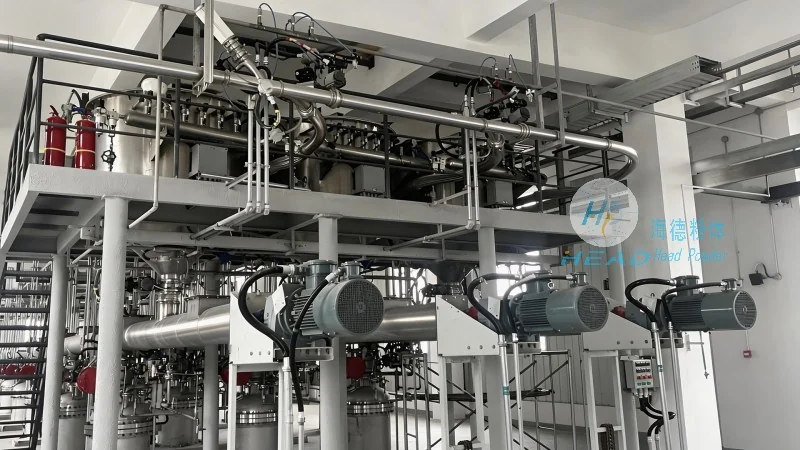
Design Principles for Efficient Material Handling
The design of a ferric sulfate material handling system follows several key principles to ensure optimal performance. First, material compatibility is critical. Ferric sulfate is hygroscopic and can cake under certain conditions, so the system components must be constructed from materials resistant to corrosion and wear, such as stainless steel or high-grade plastics. Second, the system must be designed to minimize dust generation and exposure, as ferric sulfate is a fine powder that can cause respiratory issues and environmental contamination. Enclosed conveyor systems, dust collection systems, and proper ventilation are essential features. Third, the system should be scalable and adaptable to changing production needs. Modular designs allow for easy expansion or reconfiguration as production volumes increase or processes evolve. Fourth, safety is a top priority. The system must comply with relevant safety regulations, including explosion-proof designs for areas where dust may accumulate and proper grounding to prevent static buildup.
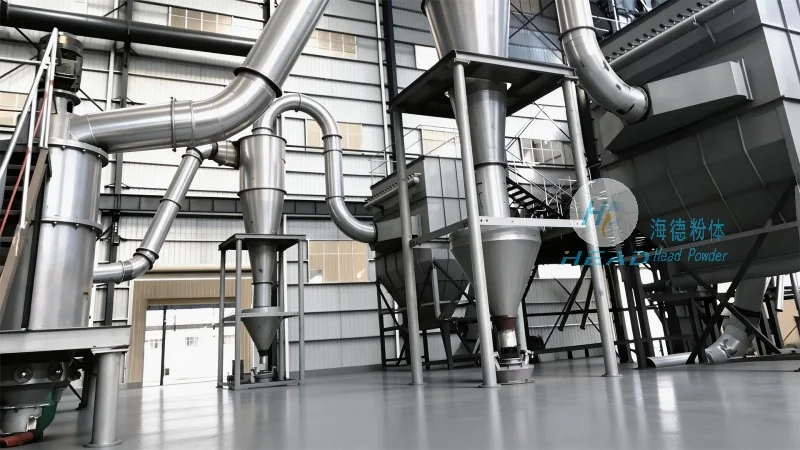
Customization and Integration with Industrial Processes
HeadPowder Engineering specializes in customizing ferric sulfate material handling systems to integrate seamlessly with existing industrial processes. The company works closely with clients to understand their specific requirements, such as production capacity, material flow rates, and environmental constraints. This collaborative approach ensures that the final system meets all operational and safety standards. Customization may include adjustments to conveyor speed, feeding mechanisms, or storage silo size to match the client's production schedule. Additionally, the system can be integrated with automation controls, allowing for real-time monitoring and adjustment of material flow. This integration enhances operational efficiency and reduces the need for manual intervention, minimizing the risk of human error.
Benefits of Using a Professional Material Handling System
Implementing a well-designed ferric sulfate material handling system offers numerous benefits for industrial operations. Firstly, it improves material flow efficiency, reducing downtime caused by clogging or material buildup. The use of specialized components, such as anti-caking agents or aeration systems, ensures consistent material flow from storage to processing. Secondly, it enhances safety by minimizing dust exposure and preventing accidents related to material handling. Enclosed systems and proper ventilation reduce the risk of respiratory issues and environmental contamination. Thirdly, it increases operational reliability by providing consistent material supply to downstream processes. This reliability is crucial for maintaining production schedules and meeting quality standards. Finally, the system's scalability allows for future expansion, ensuring that the investment remains relevant as production needs grow.




