When discussing advanced material handling solutions, the glass-blasted microsphere material handling system stands out as a sophisticated technology designed to efficiently transport and manage lightweight, high-performance fillers. This system is particularly relevant in industries such as construction, manufacturing, and chemical processing, where precise control over material flow and consistency is critical. The following exploration delves into the core components, operational mechanics, and design principles that underpin this innovative system.
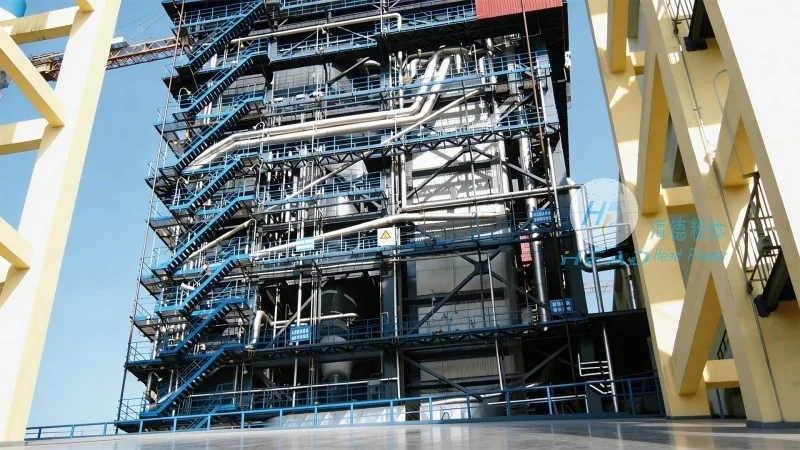
Core Components of the Glass-Blasted Microsphere Material Handling System
The glass-blasted microsphere material handling system comprises several key components that work in concert to ensure optimal performance. At its heart is the material hopper, a container designed to store the glass-blasted microspheres—tiny, spherical particles with a smooth surface and high thermal stability. These microspheres are typically produced through a glass-blasting process, which involves subjecting glass particles to high-pressure air or water jets, resulting in a uniform, porous structure that enhances their lightweight properties and thermal insulation capabilities. The hopper is equipped with a feeding mechanism, such as a rotary valve or screw feeder, which regulates the flow of microspheres into the subsequent processing stages. A pneumatic or mechanical conveyor system then transports the microspheres through the system, often utilizing air jets or vibration to maintain consistent movement. The system may also include a control panel with sensors and actuators to monitor and adjust the flow rate, ensuring that the material is delivered to the end application with minimal variation. Finally, a discharge mechanism, such as a rotary valve or outlet port, allows the microspheres to exit the system and be directed to their intended use.
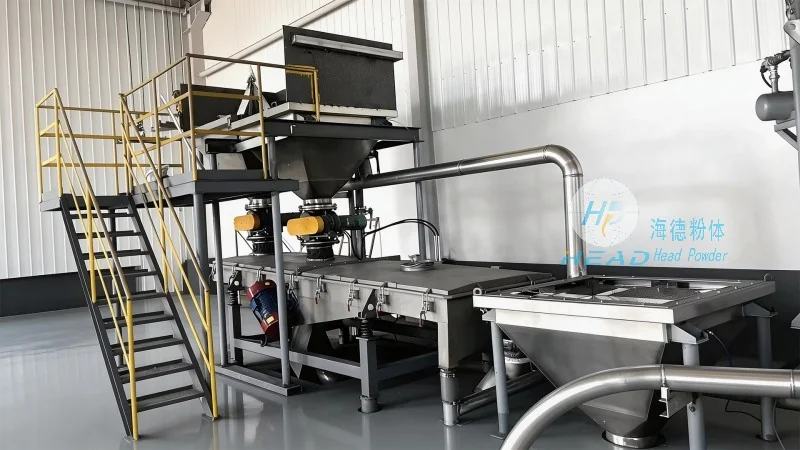
Design Principles Behind the System
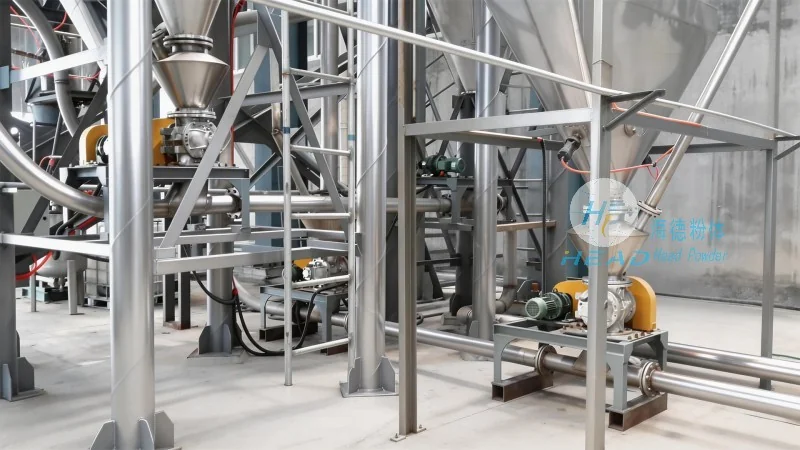
The design of the glass-blasted microsphere material handling system is guided by several fundamental principles aimed at maximizing efficiency, reliability, and material integrity. One of the primary principles is the minimization of material degradation during transport. The smooth, porous surface of the glass-blasted microspheres makes them susceptible to abrasion or breakage if subjected to excessive pressure or friction. To address this, the system employs low-friction components, such as stainless steel or polymer-lined pipes, and gentle feeding mechanisms that reduce mechanical stress. Additionally, the system is designed with a uniform flow path to prevent segregation or clustering of the microspheres, which could lead to inconsistent material properties in the final product. Another key principle is energy efficiency. The use of pneumatic conveyors, which rely on compressed air to move the material, is optimized to minimize air consumption while maintaining adequate flow rates. This is achieved through the use of variable-speed drives and pressure regulators that adjust the air volume based on the material load. The system also incorporates energy-saving features, such as automatic shut-off when the hopper is empty or when the conveyor is not in use. Furthermore, the design prioritizes ease of maintenance and cleaning. The components are constructed from materials that are resistant to corrosion and wear, and the system includes access points for routine inspections and cleaning. This ensures that the system can operate continuously with minimal downtime, reducing operational costs and improving overall productivity.
Applications and Benefits of the Glass-Blasted Microsphere Material Handling System
The glass-blasted microsphere material handling system is widely used in various applications where lightweight, high-performance fillers are required. In the construction industry, these microspheres are commonly used as a lightweight aggregate in concrete and masonry products, reducing the overall weight of the structure while maintaining strength and durability. The system ensures that the microspheres are uniformly distributed throughout the mix, which is critical for achieving consistent material properties. In the manufacturing sector, the microspheres are used as a filler in plastics, rubber, and coatings, enhancing the thermal insulation and fire resistance of the final products. The precise control over the material flow provided by the system allows manufacturers to achieve the desired performance characteristics without compromising on quality. The benefits of this system extend beyond material handling; it also contributes to cost savings and operational efficiency. By minimizing material waste and reducing the need for manual handling, the system lowers labor costs and improves safety in the workplace. Additionally, the consistent quality of the microspheres delivered by the system enhances the reliability of the end products, reducing the risk of defects or failures.
About Shandong HeadPowder Engineering Co., Ltd.
Shandong HeadPowder Engineering Co., Ltd., commonly known as HeadPowder, is a leading manufacturer and supplier of advanced material handling systems and related technologies. With a focus on innovation and quality, HeadPowder has established itself as a trusted partner for industries seeking reliable solutions for transporting and managing high-performance materials. The company’s headquarters is located in Shandong, China, where it operates a state-of-the-art manufacturing facility equipped with the latest technology and skilled personnel. HeadPowder specializes in customizing material handling systems to meet the specific needs of its clients, ensuring that each system is tailored to the unique requirements of the application. The company’s commitment to research and development has led to the development of several proprietary technologies, including the glass-blasted microsphere material handling system, which has been widely adopted in various industries. HeadPowder’s products are known for their durability, efficiency, and ease of maintenance, making them a preferred choice for businesses looking to enhance their operational performance. The company also provides comprehensive after-sales support, including installation, training, and technical assistance, to ensure that its clients can maximize the benefits of their investment.




