Waste material conveying systems are essential components in modern waste management and industrial processes, designed to efficiently transport various types of waste materials from one location to another. These systems play a crucial role in optimizing waste handling operations, reducing manual labor, and enhancing overall operational efficiency. Understanding the fundamental concepts and design principles behind such systems is vital for engineers, facility managers, and stakeholders involved in waste management projects.
Understanding Waste Material Conveying Systems
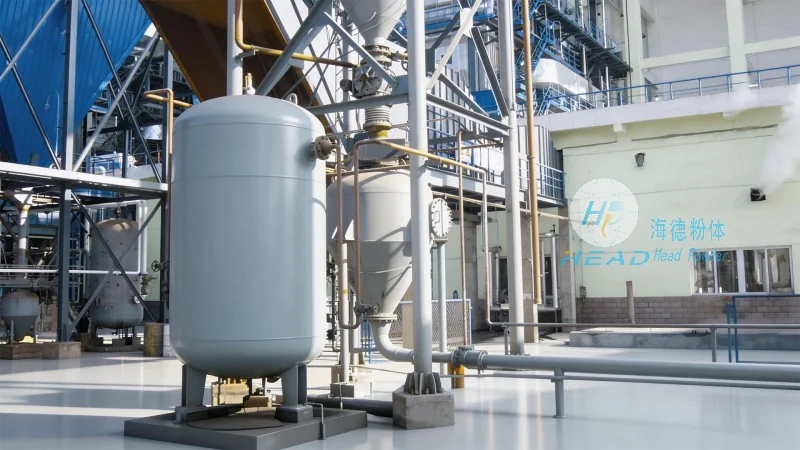
A waste material conveying system is a mechanical or automated system engineered to move solid waste, recyclables, or other waste materials through a network of conveyors, chutes, or other transport mechanisms. The primary goal of these systems is to facilitate the smooth and continuous movement of waste from collection points to processing facilities, disposal sites, or recycling centers. Common applications include municipal solid waste (MSW) management, industrial waste handling, and recycling operations. The effectiveness of a conveying system depends on several key factors, including the type of waste material, the distance to be covered, the required throughput, and the environmental conditions of the operation.
Key Components of a Waste Material Conveying System
Typical components of a waste material conveying system include feed hoppers, conveyors (such as belt conveyors, screw conveyors, or chain conveyors), transfer points, control systems, and receiving hoppers. Feed hoppers are used to collect and store incoming waste, ensuring a consistent flow into the conveying system. Conveyors are the core transport mechanisms, each with specific characteristics suited to different waste types and operational requirements. For example, belt conveyors are widely used for transporting bulk materials due to their high capacity and durability, while screw conveyors are ideal for handling granular or powdered materials. Transfer points are critical for redirecting the flow of waste between different sections of the system, often incorporating mechanisms to prevent material buildup or spillage. Control systems, including sensors and automation controls, ensure the system operates efficiently and safely, adjusting speed and direction as needed. Receiving hoppers collect the waste at the end of the conveying process, preparing it for further processing or disposal.
Design Principles for Efficient Waste Material Conveying
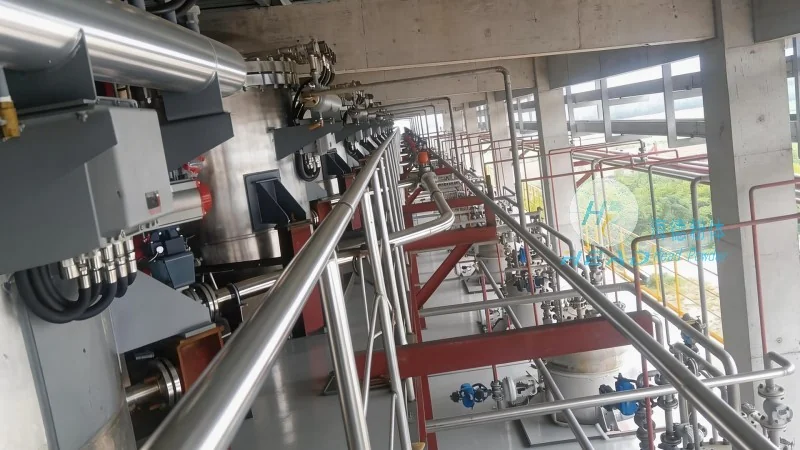
The design of a waste material conveying system follows several fundamental principles to ensure optimal performance and reliability. First, the system must be tailored to the specific characteristics of the waste material being transported. This includes considering the size, shape, density, and moisture content of the waste, as these factors directly impact the choice of conveyor type and the required power. Second, the system should be designed for high throughput and low maintenance. This involves selecting robust components, using materials resistant to corrosion and wear, and incorporating features that minimize downtime, such as easy-to-clean surfaces and accessible maintenance points. Third, the system must prioritize safety and environmental compliance. This includes implementing safety guards, emergency stop mechanisms, and measures to prevent dust or odor emissions. Additionally, the design must account for space constraints and operational layout, ensuring the system integrates seamlessly with existing infrastructure.
Applications and Benefits of Waste Material Conveying Systems
Waste material conveying systems are widely used in various industries and applications. In municipal waste management, these systems help collect and transport residential and commercial waste to landfills or recycling facilities, reducing the need for manual collection and improving public health. In industrial settings, they are used to handle waste from manufacturing processes, such as metal shavings, plastic scraps, or food waste, ensuring proper disposal and compliance with environmental regulations. The benefits of implementing an efficient conveying system are significant, including increased operational efficiency, reduced labor costs, improved safety, and enhanced environmental sustainability. By automating the waste transport process, organizations can minimize human exposure to hazardous materials, reduce the risk of accidents, and lower the overall environmental impact of their operations.
Customization and Integration with Existing Systems
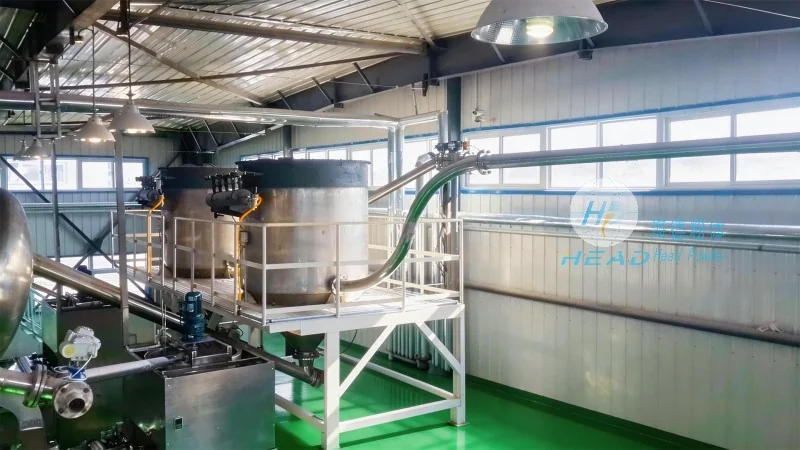
One of the key advantages of modern waste material conveying systems is their ability to be customized and integrated with existing infrastructure. Companies like Shandong HeadPowder Engineering Co., Ltd. specialize in designing and manufacturing tailored conveying solutions that meet the unique needs of their clients. By working closely with clients, these companies can assess the specific requirements of a project, including the type of waste, the scale of operations, and the available space, and develop a comprehensive conveying system that maximizes efficiency and minimizes costs. Integration with existing systems, such as waste sorting facilities or processing plants, is also a critical consideration, as it ensures a seamless flow of materials from collection to final disposal or recycling. Customization may involve adjusting conveyor speed, modifying the layout of transfer points, or incorporating advanced control systems to optimize performance.
Future Trends and Innovations in Waste Material Conveying
As technology advances, waste material conveying systems are evolving to incorporate more sophisticated features and innovations. Automation and artificial intelligence are increasingly being integrated into conveying systems to enhance operational efficiency and reduce human intervention. For example, AI-powered sensors can monitor the flow of waste in real-time, detecting blockages or irregularities and triggering automatic adjustments. Additionally, the use of sustainable materials and energy-efficient designs is becoming more prevalent, as organizations strive to reduce their environmental footprint. The integration of IoT (Internet of Things) technology allows for remote monitoring and maintenance of conveying systems, enabling predictive maintenance and reducing downtime. These innovations not only improve the performance of waste material conveying systems but also contribute to a more sustainable and efficient waste management industry.
Conclusion
In conclusion, waste material conveying systems are indispensable tools in modern waste management and industrial operations. By understanding the fundamental design principles and components of these systems, organizations can optimize their waste handling processes, enhance efficiency, and reduce environmental impact. Companies like Shandong HeadPowder Engineering Co., Ltd. play a crucial role in providing customized and reliable conveying solutions that meet the diverse needs of their clients. As technology continues to advance, the future of waste material conveying systems looks promising, with innovations that will further improve their performance and sustainability. For any organization involved in waste management, investing in an efficient conveying system is a strategic decision that can yield significant long-term benefits.




