Understanding the sodium sulfate powder material handling system is crucial for industries that rely on the efficient transport of this chemical. This system is engineered to manage the movement of sodium sulfate powder, a widely used industrial chemical, from storage to processing or packaging stages. The design principles behind such systems are centered on ensuring safety, efficiency, and reliability in material transport. Sodium sulfate, also known as Glauber's salt, is a white crystalline solid that is hygroscopic, meaning it can absorb moisture from the air. This property makes it challenging to handle, as it can cake or clump, affecting the flow characteristics of the material. Therefore, the system must be designed to address these challenges and maintain consistent performance.
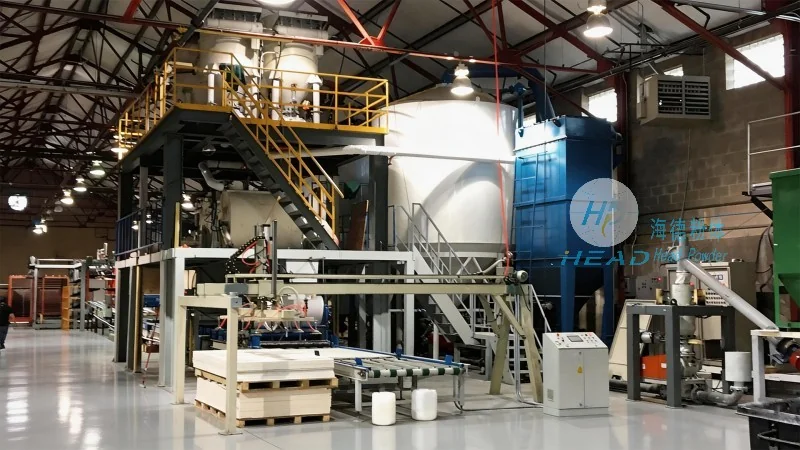
Overview of the System Components
The core components of a sodium sulfate powder material handling system typically include storage silos, conveying equipment like screw conveyors or pneumatic systems, and control mechanisms. Storage silos are designed to hold large quantities of sodium sulfate powder, often with features to prevent caking and maintain material quality. These silos may be equipped with agitators or air cannons to break up any clumps that form over time. Conveying equipment is selected based on the specific characteristics of the powder, such as its flowability and potential for dust generation. Screw conveyors are commonly used for horizontal or slight incline transport, while pneumatic systems are ideal for vertical or long-distance transport. Control systems integrate sensors and automation to monitor and regulate the flow of material, ensuring consistent performance and minimizing downtime. Sensors may include level detectors, flow meters, and pressure sensors, providing real-time data to operators and enabling proactive maintenance.
Design Principles for Efficient Material Transport
Design principles for sodium sulfate powder material handling systems prioritize several key factors. First, material compatibility is critical; components must be resistant to corrosion from the chemical, as sodium sulfate can be hygroscopic and may cause moisture-related issues. Materials like stainless steel or specialized plastics are often used for parts that come into direct contact with the powder. Second, dust control is essential to prevent inhalation hazards and maintain a safe working environment. Systems often incorporate dust suppression features, such as sealed conveying lines and dust collection units. The use of explosion-proof motors and proper ventilation systems further enhances safety. Third, energy efficiency is a consideration, as the operation of conveying equipment consumes significant power. Modern designs may incorporate variable speed drives and optimized system layouts to reduce energy consumption. For example, using a screw conveyor with a variable frequency drive allows for adjustments in speed based on the amount of material being transported, optimizing energy use. Additionally, scalability is a design consideration, allowing the system to be expanded as production needs grow. Modular components enable easy integration of additional storage or conveying sections without major system overhauls.
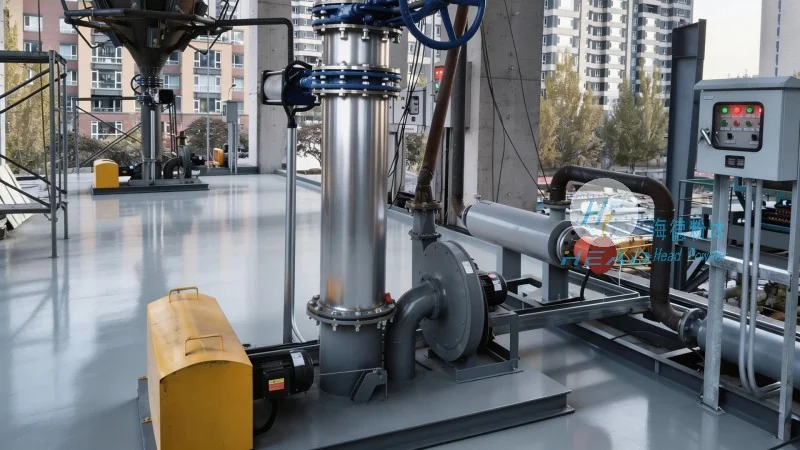
Application Scenarios and Operational Considerations
These systems are commonly used in industries like chemical manufacturing, food processing, and pharmaceuticals, where sodium sulfate is used as a processing aid or raw material. In chemical manufacturing, sodium sulfate is often used in the production of detergents, glass, and paper. The material handling system ensures that the powder is delivered to reactors or mixers in a controlled manner, preventing overloading or underloading. In food processing, sodium sulfate is used as a food additive to control moisture and improve texture. The system must meet food safety standards, with components made from food-grade materials and sealed to prevent contamination. In pharmaceuticals, the system is used to transport sodium sulfate for use in drug formulations, requiring strict adherence to hygiene and contamination control measures. Operational considerations include regular maintenance to prevent blockages or wear in conveying components, as well as monitoring for any changes in the powder's properties that could affect system performance. For instance, if the powder becomes more cohesive due to humidity, adjustments may be needed to the conveying speed or silo agitation. Proper training for operators is also essential to ensure safe and effective operation of the system. Operators must be trained on how to handle emergencies, such as dust explosions or material blockages, and how to perform routine checks to maintain system integrity.
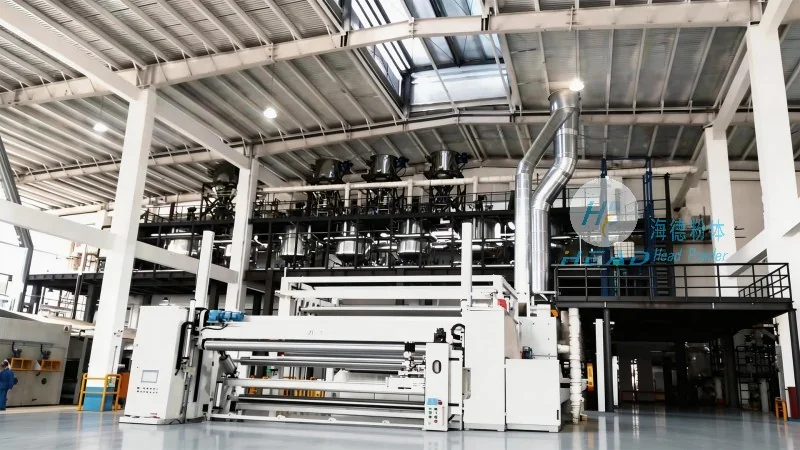
Company Profile: Shandong HeadPowder Engineering Co., Ltd.
Shandong HeadPowder Engineering Co., Ltd., a leading provider of material handling solutions, specializes in designing and manufacturing systems tailored to the needs of various industries. With a focus on innovation and customer satisfaction, the company has built a reputation for delivering reliable and efficient equipment for handling sodium sulfate and other powders. The company's expertise lies in understanding the unique challenges of powder handling and providing customized solutions that meet both operational and safety requirements. HeadPowder has a team of experienced engineers and technicians who work closely with clients to assess their specific needs and develop tailored systems. The company's product line includes a range of equipment, from small-scale conveying systems to large industrial installations. All products are manufactured in compliance with international standards, ensuring quality and reliability. The company also offers after-sales support, including maintenance services and technical assistance, to ensure that clients can maximize the lifespan and performance of their equipment.
Address and Contact Information
The company is located in Shandong, China, where it operates from its main facility. This location allows for easy access to key markets and facilitates collaboration with clients and suppliers. The facility is equipped with advanced manufacturing capabilities and testing equipment, ensuring that all products meet stringent quality standards before delivery. The company's commitment to quality and customer service has earned it a strong reputation in the industry, making it a trusted partner for businesses seeking efficient and safe material handling solutions.




