Ferrous sulfate, also known as iron(II) sulfate, is a widely used chemical compound in various industrial applications, including water treatment, agriculture, and chemical manufacturing. Efficient material handling of ferrous sulfate is crucial for maintaining production efficiency and ensuring product quality. This article explores the key aspects of ferrous sulfate material handling systems and the underlying design principles that govern their operation.
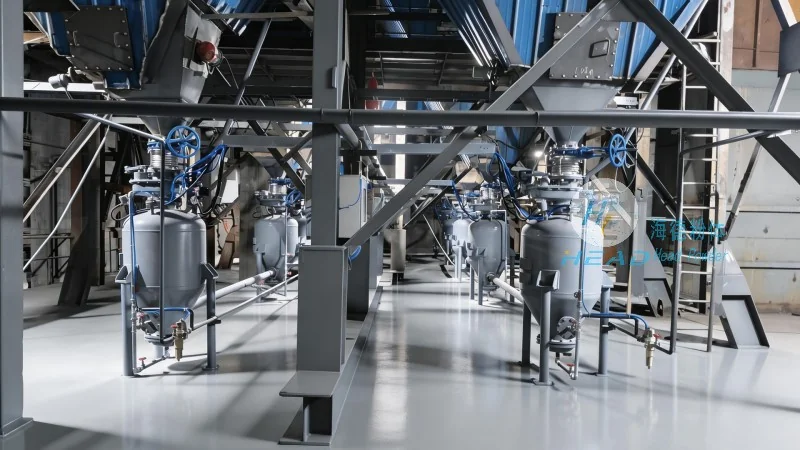
About Shandong HeadPowder Engineering Co., Ltd.
Shandong HeadPowder Engineering Co., Ltd., commonly known as HeadPowder, is a leading provider of specialized engineering solutions for material handling and processing. With a strong focus on innovation and customer-centric design, HeadPowder has established itself as a trusted partner in the chemical and industrial sectors. The company's expertise lies in developing tailored material handling systems that meet the unique requirements of clients, ensuring reliability, safety, and optimal performance.
Key Considerations in Ferrous Sulfate Material Handling
The material handling of ferrous sulfate involves several critical factors that must be carefully considered to ensure an effective and efficient system. First, the physical properties of ferrous sulfate, such as its density, flowability, and potential for caking, play a significant role in determining the type of equipment and handling methods required. For instance, ferrous sulfate is often a fine powder or granule, which can lead to issues like bridging and segregation if not handled properly. Additionally, the chemical stability of the material must be maintained during transport to prevent degradation or reactions that could affect downstream processes.
Design Principles for Ferrous Sulfate Material Handling Systems
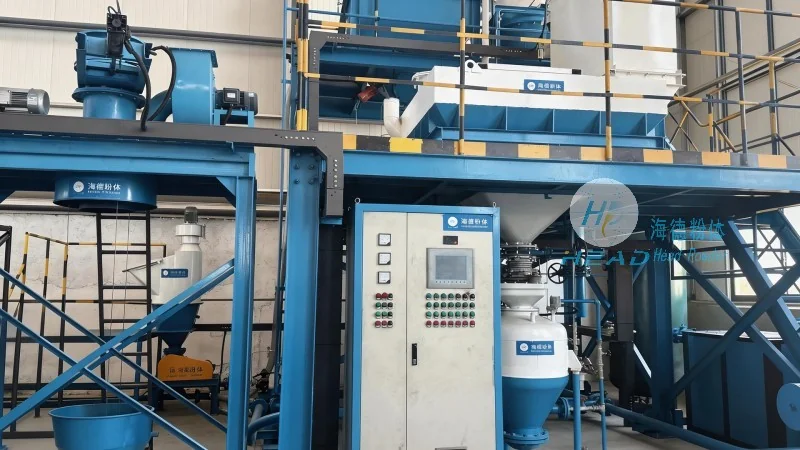
The design of ferrous sulfate material handling systems is guided by several fundamental principles aimed at optimizing performance and minimizing operational risks. One of the primary principles is the use of appropriate equipment that matches the material's characteristics. For example, screw conveyors or belt conveyors are commonly used for transporting ferrous sulfate due to their ability to handle bulk materials efficiently. The selection of equipment also depends on factors like the required capacity, the distance of transport, and the need for vertical or horizontal movement.
Material Flow and Storage Considerations
Effective material handling of ferrous sulfate also involves careful consideration of material flow and storage. Proper storage solutions, such as silos or hoppers, are essential to prevent material degradation and ensure consistent supply to processing units. The design of these storage systems must account for the material's flow properties, including its angle of repose and cohesive behavior. Additionally, the use of aeration or vibration systems may be necessary to prevent caking and ensure smooth material flow from storage to handling equipment.
Equipment Selection and Integration
Choosing the right equipment for ferrous sulfate material handling requires a comprehensive evaluation of various factors. HeadPowder, with its expertise in material handling engineering, emphasizes the importance of integrating different components to create a cohesive system. This includes selecting compatible conveyors, feeders, and control systems that work together seamlessly. The integration of sensors and automation technologies can further enhance the efficiency and safety of the material handling process, allowing for real-time monitoring and adjustment of operations.
Safety and Maintenance in Ferrous Sulfate Handling
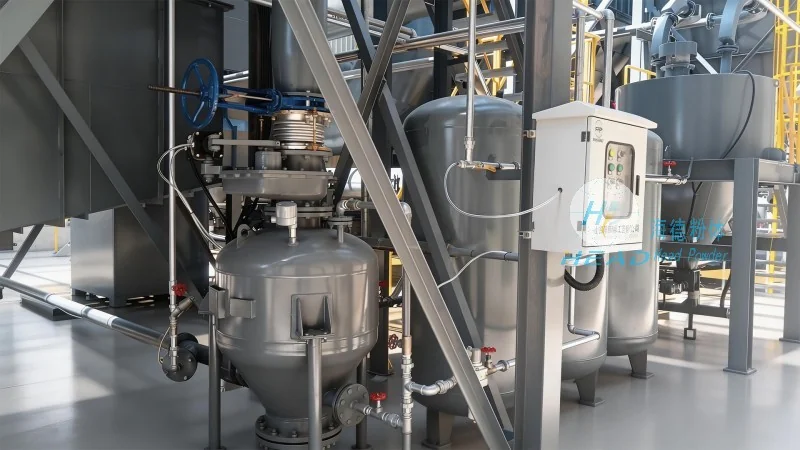
Ensuring safety and proper maintenance are critical aspects of ferrous sulfate material handling. The material is generally non-toxic but can cause skin and eye irritation if not handled with appropriate protective measures. Therefore, the design of handling systems must include safety features such as dust suppression systems, proper ventilation, and personal protective equipment (PPE) guidelines. Regular maintenance of equipment is also essential to prevent breakdowns and ensure consistent performance. HeadPowder recommends routine inspections, lubrication, and cleaning of components to prolong the lifespan of the material handling system and maintain compliance with safety standards.
Conclusion
In conclusion, the material handling of ferrous sulfate is a complex process that requires careful consideration of the material's properties, operational requirements, and safety standards. By adhering to sound design principles and leveraging the expertise of companies like Shandong HeadPowder Engineering Co., Ltd., industries can achieve efficient and reliable material handling systems that support their production goals. The key to success lies in understanding the unique characteristics of ferrous sulfate and selecting appropriate equipment and processes that optimize performance while minimizing risks.




