Understanding dense phase material handling systems is crucial for industries that require efficient and reliable transportation of bulk materials. These systems offer a solution to the challenges of handling powders, granules, and other particulate materials with precision and minimal degradation. In this article, we explore the fundamental concepts of dense phase material handling and delve into the core design principles that underpin their operation, with a focus on the expertise of Shandong HeadPowder Engineering Co., Ltd., a leading provider of material handling solutions in China.
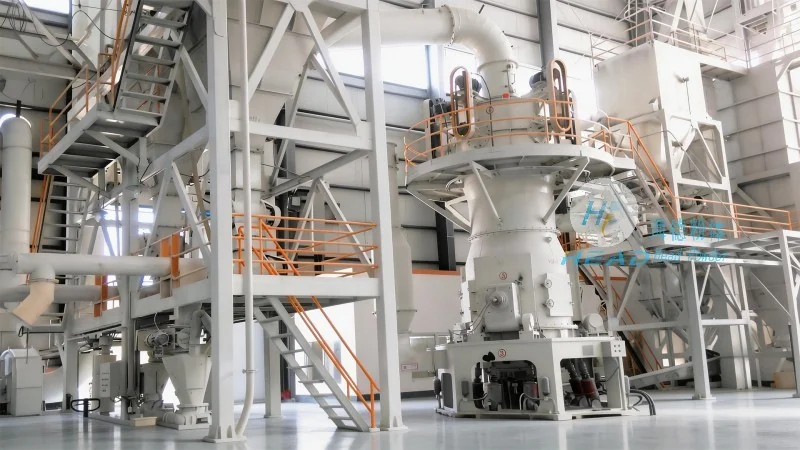
Introduction to Dense Phase Material Handling Systems
Dense phase material handling systems are specialized equipment designed to transport bulk materials in a high-density, low-velocity flow. Unlike traditional pneumatic conveying systems that operate in the dilute phase, dense phase systems use a combination of pressure and controlled flow to move materials through pipelines. This approach significantly reduces material degradation, minimizes product segregation, and ensures a more consistent flow rate. The technology is widely adopted in various industries, including pharmaceuticals, food processing, chemicals, and mining, where the integrity of the material is paramount.
Key Components of a Dense Phase Material Handling System
The effectiveness of a dense phase system relies on several critical components that work in tandem to achieve optimal performance. The primary components include the material feed hopper, the conveying pipeline, the pressure vessel or compressor, and the control system. The feed hopper is responsible for storing and metering the material, ensuring a steady supply to the system. The pipeline, typically made of stainless steel or other corrosion-resistant materials, is designed to withstand the pressure and flow conditions. The pressure vessel or compressor generates the necessary pressure to push the material through the pipeline. The control system monitors and regulates the flow, pressure, and other parameters to maintain consistent operation.
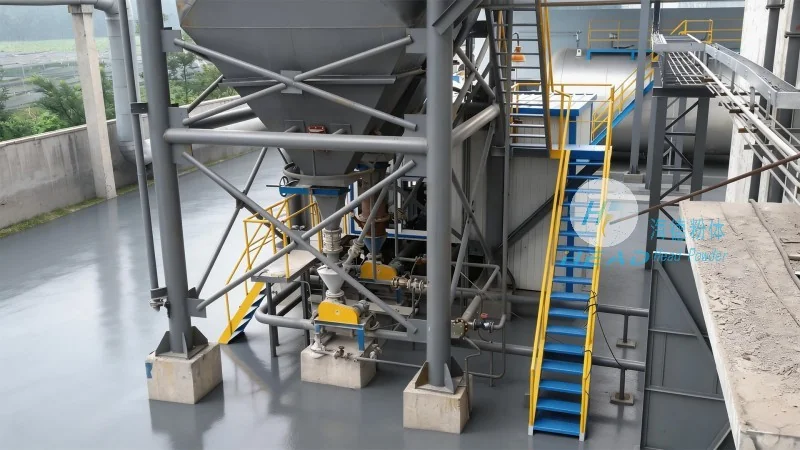
Design Principles for Dense Phase Material Handling Systems
The design of a dense phase material handling system is governed by several key principles that ensure efficiency, reliability, and safety. The first principle is the optimization of flow velocity and pressure. By maintaining a low velocity and high pressure, the system minimizes the risk of material degradation and ensures a smooth, continuous flow. The second principle is the consideration of material properties. Different materials have varying characteristics, such as particle size, density, and flowability, which must be accounted for in the design. For example, cohesive materials may require additional agitation or air injection to prevent blockages. The third principle is the selection of appropriate equipment. The choice of components, such as the type of compressor, pipeline diameter, and control valves, is critical to the system's performance. Proper sizing and selection ensure that the system operates within its design parameters and meets the specific requirements of the application.
Advantages of Dense Phase Material Handling Systems
Compared to traditional dilute phase systems, dense phase material handling systems offer several advantages that make them a preferred choice for many industries. One of the primary benefits is the reduced risk of material degradation. The low velocity and high pressure in the system prevent the material from being exposed to excessive shear forces, which can cause breakage or agglomeration. This is particularly important for sensitive materials, such as pharmaceutical powders or food products, where product quality is non-negotiable. Another advantage is the improved flow control. Dense phase systems allow for precise control over the flow rate, which is essential for maintaining consistent product quality and meeting production demands. Additionally, these systems are more energy-efficient than traditional systems, as they require less air volume and pressure to achieve the desired flow. This results in lower operating costs and reduced environmental impact.
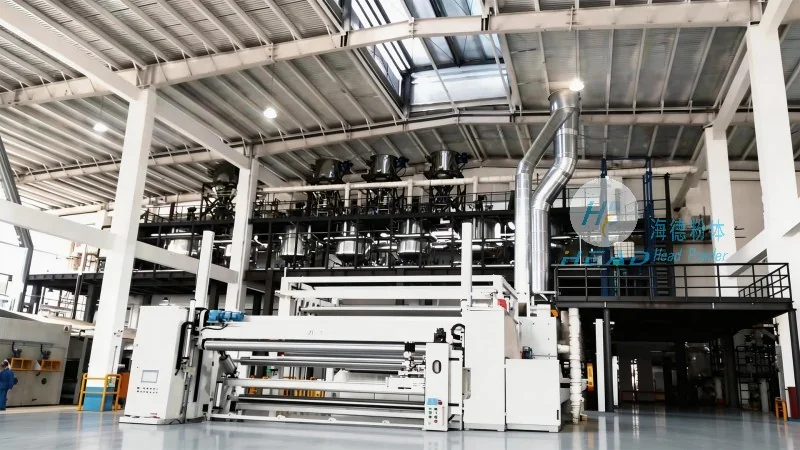
Applications of Dense Phase Material Handling Systems
Dense phase material handling systems are used in a wide range of applications across various industries. In the pharmaceutical industry, they are used to transport active pharmaceutical ingredients (APIs) and excipients with high precision and minimal contamination. The systems ensure that the materials are handled in a sterile environment, preventing any cross-contamination. In the food processing industry, dense phase systems are used to transport ingredients such as flour, sugar, and spices. The low velocity and high pressure ensure that the ingredients are not damaged, maintaining their flavor and texture. In the chemical industry, these systems are used to transport chemicals and reagents, which may be hazardous or sensitive to degradation. The systems provide a safe and reliable method of transportation, reducing the risk of accidents and spills. In the mining industry, dense phase systems are used to transport minerals and ores from the mine to processing facilities. The systems are designed to handle abrasive materials and high volumes, ensuring efficient and continuous operation.
Design Considerations for Dense Phase Material Handling Systems
When designing a dense phase material handling system, several factors must be considered to ensure optimal performance and reliability. The first consideration is the material properties. The system must be designed to accommodate the specific characteristics of the material, such as particle size, density, and flowability. For example, cohesive materials may require additional features, such as air injection or vibration, to prevent blockages. The second consideration is the system's capacity. The system must be sized to handle the required flow rate and material volume, ensuring that it can meet the production demands. The third consideration is the system's integration with existing infrastructure. The system must be compatible with the existing pipelines, equipment, and control systems to minimize disruption and costs. The fourth consideration is the safety and regulatory requirements. The system must comply with all relevant safety and environmental regulations, ensuring that it operates in a safe and environmentally friendly manner.




