Stone coal, also known as slag or clinker, is a byproduct generated during the combustion process in industrial furnaces and boilers. Efficient and reliable conveying of this material is crucial for maintaining operational efficiency and ensuring environmental compliance. This article provides a detailed comparison of common stone coal conveying methods, analyzing their advantages and disadvantages to help industrial facilities select the most suitable solution.
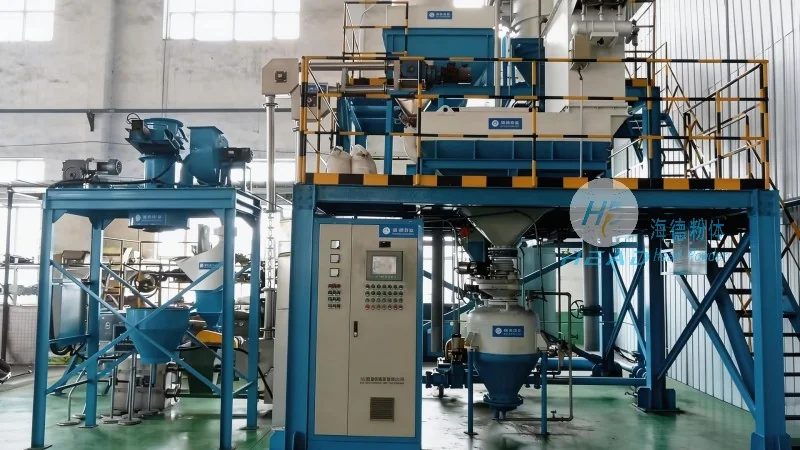
Introduction to Stone Coal Conveying
Stone coal, a solid waste product with high density and abrasive properties, requires specialized equipment for safe and effective transport. The choice of conveying method depends on factors such as material characteristics, distance, volume, and the need for dust control. Common methods include screw conveyors, belt conveyors, and pneumatic conveying systems. Each method has unique characteristics that influence its suitability for different applications.
Screw Conveyors: Advantages and Disadvantages
Screw conveyors, also known as auger conveyors, are widely used for stone coal transport due to their simplicity and reliability. These systems consist of a rotating helical screw inside a trough, which moves material forward through the conveyor. The primary advantages of screw conveyors include low installation cost, minimal space requirements, and the ability to operate in a vertical or inclined position. They are particularly effective for conveying materials with moderate to high bulk density and are suitable for short to medium distances.
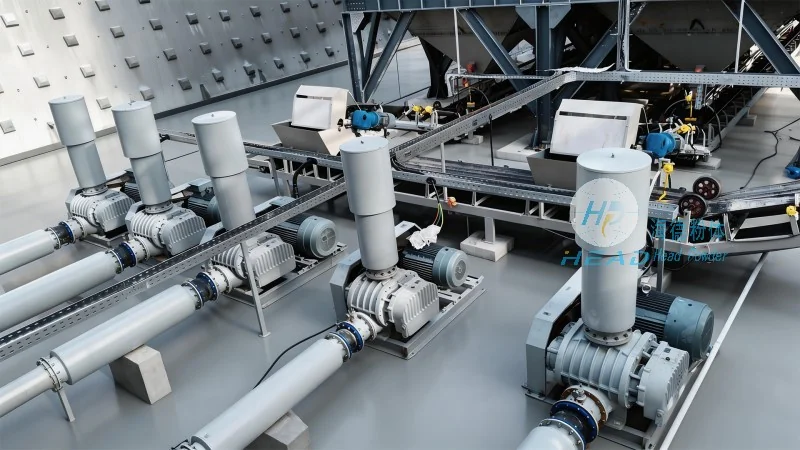
However, screw conveyors have several limitations. The high friction between the screw and the material can lead to significant wear and tear, reducing the lifespan of the equipment. This makes them unsuitable for highly abrasive stone coal, which can quickly damage the screw and trough. Additionally, screw conveyors are not ideal for long-distance transport as the material may experience excessive pressure and friction, leading to reduced efficiency. The system also generates dust during operation, requiring additional dust control measures.
Belt Conveyors: Advantages and Disadvantages
Belt conveyors are another common choice for stone coal conveying, especially for longer distances and larger volumes. These systems use a continuous belt that moves material along a series of rollers or idlers. The primary advantage of belt conveyors is their high capacity and ability to transport materials over long distances with minimal maintenance. They are suitable for both horizontal and inclined transport and can handle a wide range of material sizes and shapes.
Despite their advantages, belt conveyors have notable drawbacks. The high cost of installation and maintenance makes them less economical for small-scale operations. The system is also susceptible to material buildup and belt slip, which can reduce efficiency and cause downtime. Belt conveyors are not suitable for highly abrasive materials like stone coal, as the belt and rollers can be quickly worn out. Furthermore, the system requires regular cleaning and maintenance to prevent material accumulation and ensure smooth operation.
Pneumatic Conveying Systems: Advantages and Disadvantages
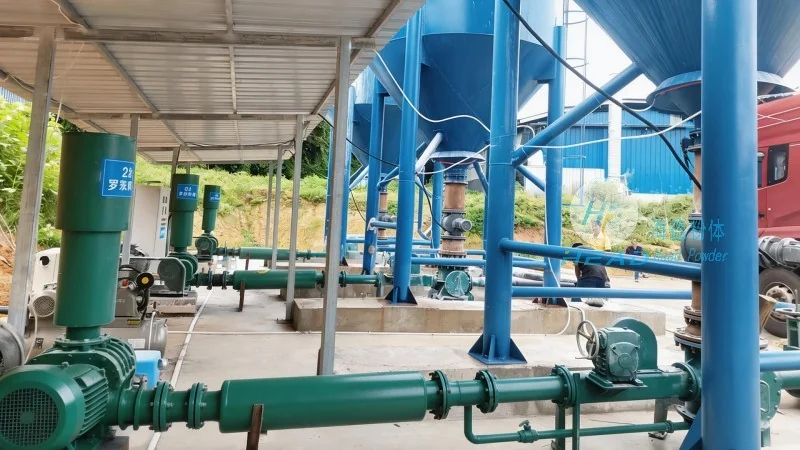
Pneumatic conveying systems use air pressure to transport stone coal through a pipeline. These systems are particularly effective for handling fine or dusty materials and can operate in both positive and negative pressure modes. The primary advantage of pneumatic conveying is its ability to transport materials over long distances with minimal dust generation. The system is also flexible, as it can be easily integrated with other equipment and can handle materials with varying properties.
However, pneumatic conveying systems have significant disadvantages. The high energy consumption and cost of compressed air make them less economical for large-scale operations. The system is also prone to material blockages and pipeline wear, which can lead to frequent maintenance and downtime. Pneumatic conveying is not suitable for highly abrasive materials, as the pipeline and components can be quickly damaged by the abrasive particles. Additionally, the system requires strict control of air pressure and flow to prevent material degradation and ensure efficient transport.
Other Conveying Methods: Comparison Summary
Other methods, such as bucket elevators and chain conveyors, are also used for stone coal transport but are less common due to their higher cost and complexity. Bucket elevators are suitable for vertical transport but require regular maintenance and are prone to material spillage. Chain conveyors offer high capacity and durability but are expensive to install and maintain.
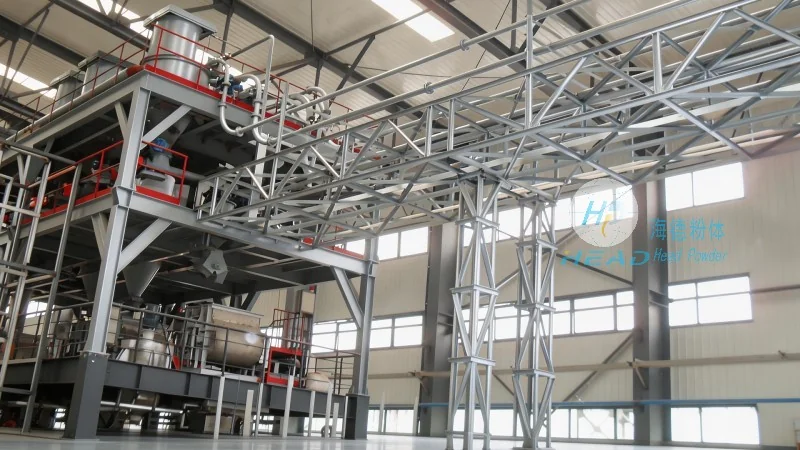
In summary, the choice of stone coal conveying method depends on the specific requirements of the industrial facility. Screw conveyors are ideal for short distances and moderate volumes, while belt conveyors are better suited for longer distances and larger capacities. Pneumatic conveying systems are suitable for fine materials and long-distance transport but require higher energy input. The selection of the most appropriate method should consider factors such as material properties, distance, cost, and maintenance requirements to ensure optimal performance and operational efficiency.
Shandong HeadPowder Engineering Co., Ltd., a leading provider of industrial conveying solutions, specializes in designing and manufacturing customized stone coal conveying systems. With years of experience in the industry, the company offers a range of solutions tailored to meet the unique needs of each client. Based in Shandong, China, HeadPowder Engineering provides high-quality equipment and professional services to help industrial facilities improve their stone coal handling processes and enhance overall operational efficiency.




