When it comes to the efficient handling of sawdust and wood flakes materials, pneumatic conveying systems offer a reliable and effective solution. This article will delve into the working principle and key characteristics of such systems, providing insights into how they operate and the advantages they bring to material transportation processes.
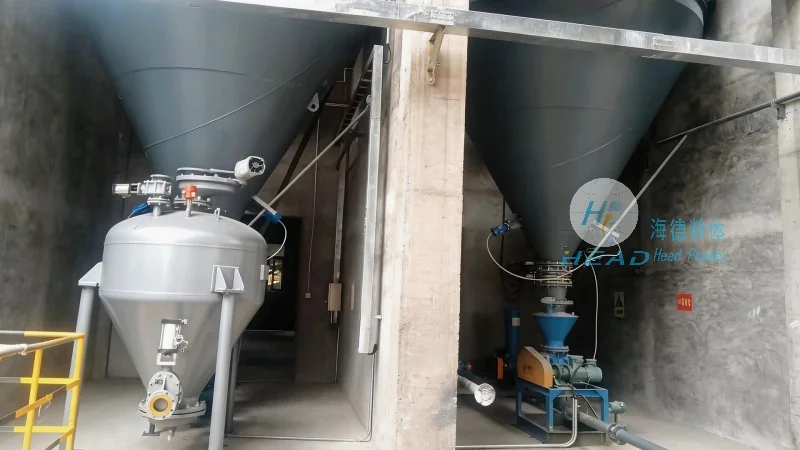
Understanding Pneumatic Conveying Systems
Pneumatic conveying, also known as air conveying, is a method of transporting bulk materials through a pipeline using a stream of air. In the context of sawdust and wood flakes, this technology is particularly valuable due to the nature of these materials—lightweight, often dusty, and prone to segregation if not handled properly. The system typically consists of a series of components, including a feeder, a conveying line, a separator, and a receiver. The process begins with the material being fed into the system, where it is then mixed with air and propelled through the pipeline by either positive or negative pressure.
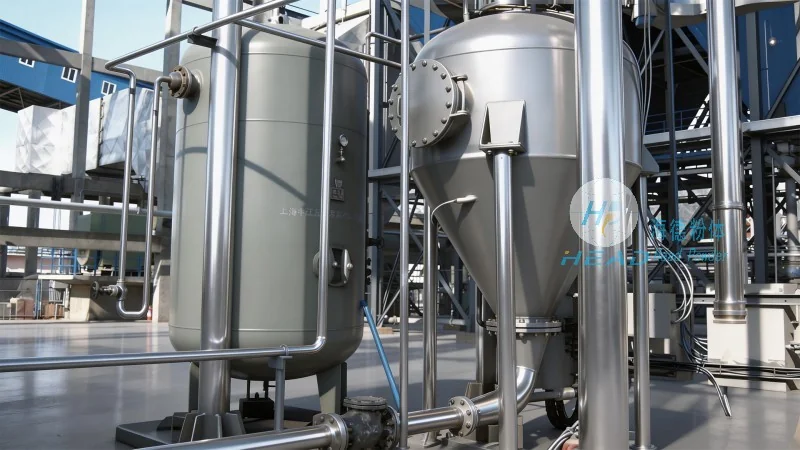
The Working Principle of Sawdust and Wood Flakes Pneumatic Conveying
The core of the pneumatic conveying system for sawdust and wood flakes revolves around the interaction between the material and the air. The system can be categorized into two main types: dilute-phase and dense-phase. Dilute-phase systems use low air velocity and high material velocity, while dense-phase systems employ higher air velocity and lower material velocity to achieve a more concentrated flow. For sawdust and wood flakes, the dilute-phase system is often preferred as it allows for higher material throughput and lower energy consumption. The process starts with the material being introduced into the conveying line via a feeder. The feeder ensures a consistent flow of material, preventing blockages and maintaining system efficiency. As the material enters the pipeline, it is mixed with the air, creating a slurry-like mixture that is then carried through the system. The air pressure, either positive (where air is forced into the system) or negative (where air is drawn out), determines the direction and speed of the material movement. The conveying line is designed with appropriate bends and turns to accommodate the material's path, minimizing friction and ensuring smooth transport. At the end of the pipeline, a separator is used to separate the material from the air. This can be achieved through a cyclone separator or a filter, which captures the wood flakes and sawdust while allowing the air to be recirculated or released. The separated material is then collected in a receiver, ready for further processing or storage.
Key Characteristics of Sawdust and Wood Flakes Pneumatic Conveying
Several key characteristics define the performance and suitability of pneumatic conveying systems for sawdust and wood flakes. Firstly, the system's ability to handle fine and lightweight materials is a significant advantage. Unlike traditional mechanical conveyors, which may struggle with dust and segregation, pneumatic systems can maintain the integrity of the material, preventing it from breaking down or becoming contaminated. Secondly, the flexibility of the system allows for easy integration into existing production lines. The pipeline can be installed in various configurations, including vertical, horizontal, or a combination of both, to suit the layout of the facility. This adaptability makes it suitable for both new installations and retrofitting into existing systems. Thirdly, the system offers high efficiency in terms of material throughput. By optimizing the air velocity and pressure, the conveying rate can be significantly increased, reducing the overall time and labor required for material transport. Additionally, the system is relatively low maintenance compared to other conveying methods. The absence of moving parts in the pipeline reduces wear and tear, and the components are designed for easy access and replacement. This leads to lower operational costs and longer system life. Another important characteristic is the system's ability to handle materials with varying moisture content. Sawdust and wood flakes often have different moisture levels, which can affect their flow properties. Pneumatic conveying systems can accommodate these variations by adjusting the air flow and pressure, ensuring consistent performance. Finally, the system provides a clean and hygienic environment for material handling. The enclosed pipeline prevents dust from escaping into the workspace, reducing the risk of respiratory issues and maintaining a safe working environment. This is particularly important in industries where air quality and worker safety are critical.
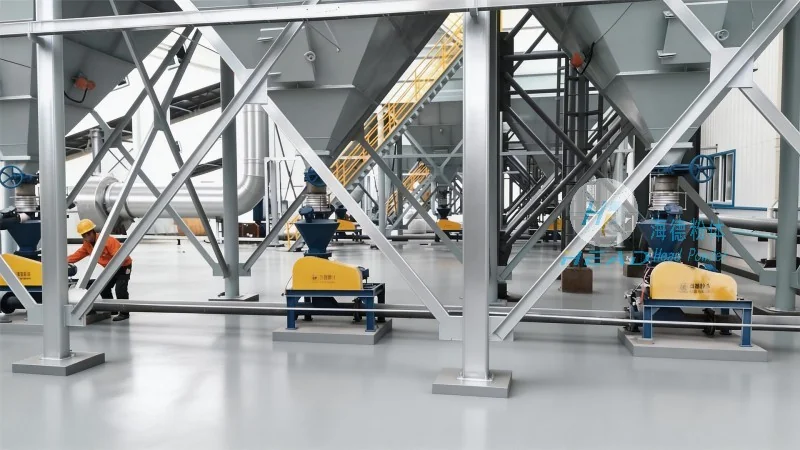
Applications and Benefits in Industrial Settings
The applications of pneumatic conveying systems for sawdust and wood flakes are widespread across various industries. In the woodworking industry, these systems are commonly used to transport sawdust from the cutting and shaping processes to storage or further processing units. This helps in maintaining a clean and organized workshop, as the material is contained within the system and does not accumulate on the floor. In the paper and pulp industry, pneumatic conveying is used to transport wood chips and sawdust to the processing plants, where they are converted into paper products. The system ensures that the material is delivered in a consistent and controlled manner, which is essential for the quality of the final product. In the agricultural sector, sawdust and wood flakes are used as animal bedding or mulch, and pneumatic conveying systems can efficiently transport these materials to farms or storage facilities. The benefits of using such systems extend beyond just material transport. The reduced labor and time required for handling sawdust and wood flakes can lead to increased productivity and cost savings for businesses. Additionally, the improved safety and hygiene in the workplace contribute to a better working environment and lower risk of accidents. Overall, pneumatic conveying systems offer a comprehensive solution for the efficient and reliable handling of sawdust and wood flakes, making them an essential component in many industrial processes.




