Low-pressure material pneumatic conveying systems are a critical component in modern material handling and processing industries. These systems leverage air as the primary medium to transport bulk materials over short to medium distances. Understanding their fundamental working principle and key characteristics is essential for selecting the appropriate system for specific operational needs.
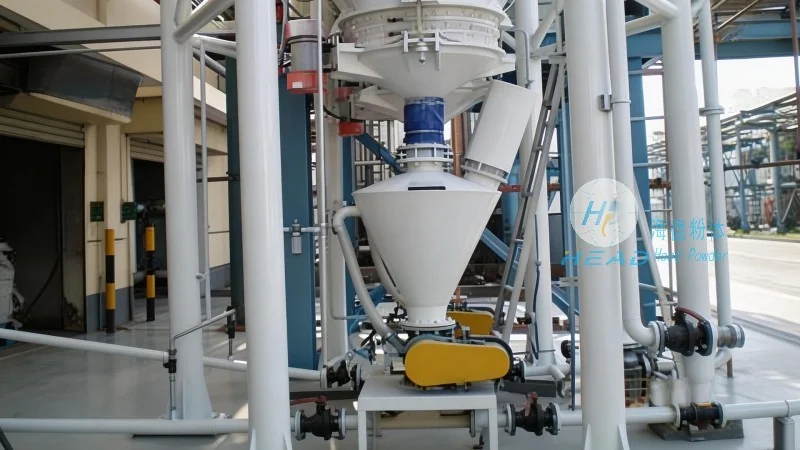
Working Principle of Low-Pressure Pneumatic Conveying Systems
The core operational principle of low-pressure pneumatic conveying systems revolves around creating a pressure differential between the conveying line and the ambient environment. Typically, the system operates at a pressure slightly above atmospheric pressure, commonly ranging from 0.5 to 2 bar. Air is drawn into the system and then pressurized using a blower or fan. This pressurized air then carries the material particles through the pipeline. The material is introduced into the conveying line at a feeding point, where it is mixed with the air stream. As the air flows through the pipeline, it transports the material to the discharge point. The system may incorporate components such as feeders, cyclones, and filters to control the flow and separate the material from the air, ensuring efficient and clean operation.
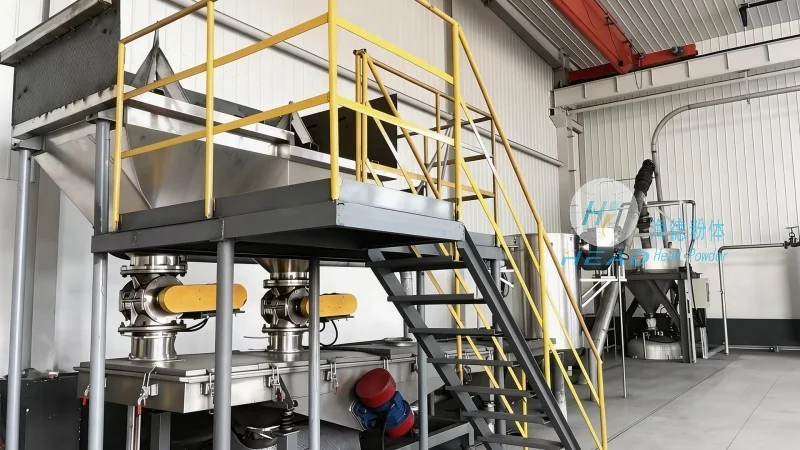
Key Characteristics of Low-Pressure Material Pneumatic Conveying Systems
Low-pressure pneumatic conveying systems offer several distinct advantages that make them suitable for a wide array of applications. Firstly, they are capable of handling diverse bulk materials, including powders, granules, and small particles. The system's design allows for flexible handling of different material types without the need for extensive modifications. Secondly, low-pressure systems are generally more energy-efficient compared to high-pressure systems. The lower operating pressures reduce the power consumption of the blower, leading to significant cost savings over the system's lifecycle. Thirdly, these systems feature a relatively simple structure and are easier to install and maintain. The components are less complex, which reduces the overall system cost and maintenance requirements. Additionally, low-pressure systems are less likely to cause material degradation due to the lower air velocities and pressures involved. This makes them ideal for transporting sensitive materials that could be damaged by high-velocity air streams.
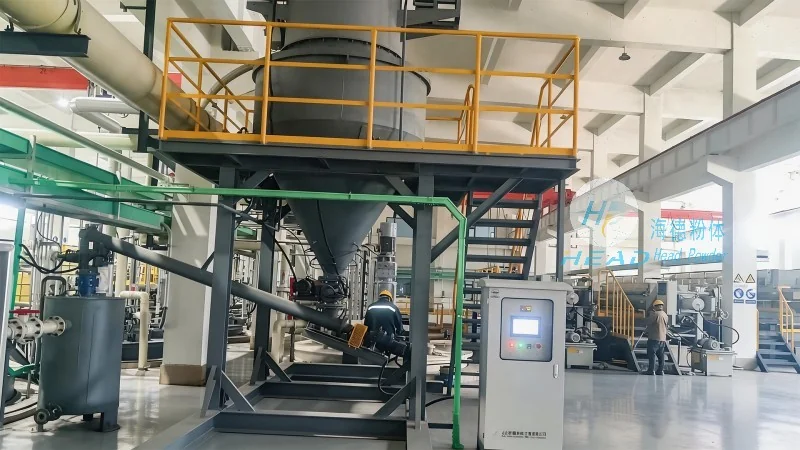
Applications and Benefits in Industrial Environments
Low-pressure material pneumatic conveying systems are widely utilized across various industrial sectors, including food processing, pharmaceuticals, chemicals, and minerals. In the food industry, they are employed to transport ingredients such as flour, sugar, and spices, ensuring hygienic and efficient handling. In pharmaceutical applications, the systems are engineered to meet stringent cleanliness and safety standards, preventing contamination of the materials. The chemical industry leverages low-pressure systems for transporting powders and granules, which may be abrasive or corrosive. The minerals sector benefits from the ability to handle bulk materials like coal, ores, and sand over short to medium distances. The benefits of low-pressure systems in these applications include improved productivity, reduced labor costs, and enhanced safety by minimizing manual handling of materials.
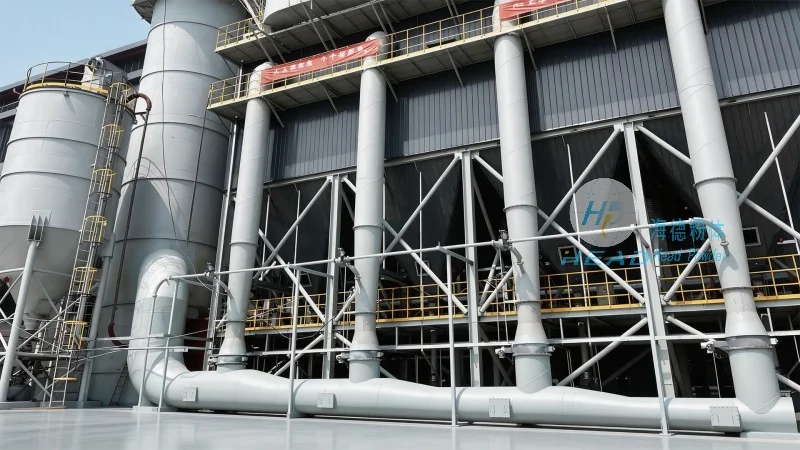
About Shandong HeadPowder Engineering Co., Ltd.
Shandong HeadPowder Engineering Co., Ltd., commonly known as HeadPowder, is a leading manufacturer and supplier of material handling equipment, specializing in low-pressure pneumatic conveying systems. With a strong focus on innovation and quality, HeadPowder has established itself as a trusted partner in the industry. The company's products are designed to meet the diverse needs of clients, offering reliable and efficient solutions for material transportation. HeadPowder's commitment to customer satisfaction and technical excellence has earned it a reputation for delivering high-performance systems that enhance operational efficiency and reduce costs. Based in Shandong, China, HeadPowder leverages its local expertise and resources to provide comprehensive support to clients worldwide.




