Understanding the working principle and characteristics of pneumatic conveying for biomass pellet materials is crucial for optimizing material handling processes in various industrial applications. This article provides a detailed overview of the mechanisms involved and the key attributes that define this efficient transport method.
Introduction to Pneumatic Conveying for Biomass Pellets
Pneumatic conveying, also known as air conveying, is a technology used to transport bulk materials like biomass pellets through a pipeline using a stream of air. This method is widely adopted in industries such as biomass energy, feed production, and chemical processing due to its ability to handle materials that are difficult to transport by conventional means, such as those with high moisture content or abrasive properties.
The Working Principle of Biomass Pellet Pneumatic Conveying
The core of pneumatic conveying systems lies in the interaction between the material and the air flow. There are two primary types of pneumatic conveying systems: dilute-phase and dense-phase. Dilute-phase systems operate at low material-to-air ratios, where the material is suspended in the air stream and transported at high velocities. Dense-phase systems, on the other hand, use higher air pressures and lower velocities to move material in a more compact form, reducing the risk of material degradation and pipeline wear.
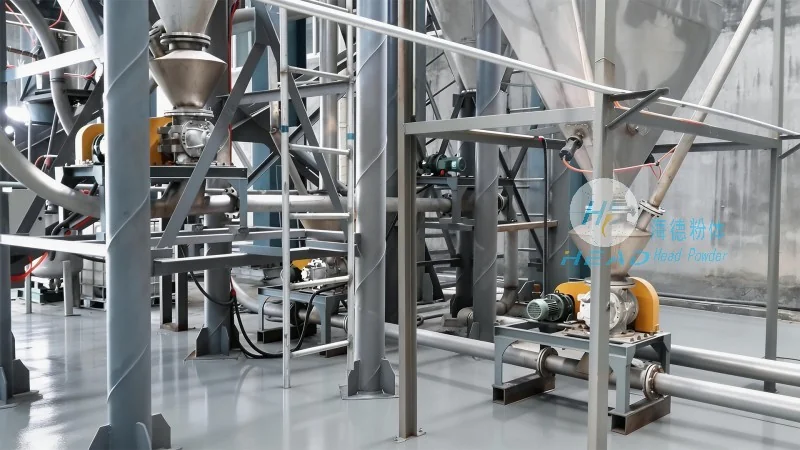
In a typical dilute-phase system, the biomass pellets are introduced into a hopper equipped with a feeder. The feeder then releases the pellets into a pipeline where a high-velocity air stream (usually generated by a fan or blower) carries the material forward. The air flow is controlled to maintain a stable suspension of the pellets, ensuring smooth transport from the source to the destination. For dense-phase systems, a positive displacement blower or compressor is used to create a high-pressure air stream that pushes the pellets through the pipeline at a slower but more controlled rate.
Key Characteristics of Biomass Pellet Pneumatic Conveying
Several distinct characteristics make pneumatic conveying an attractive option for biomass pellet handling:
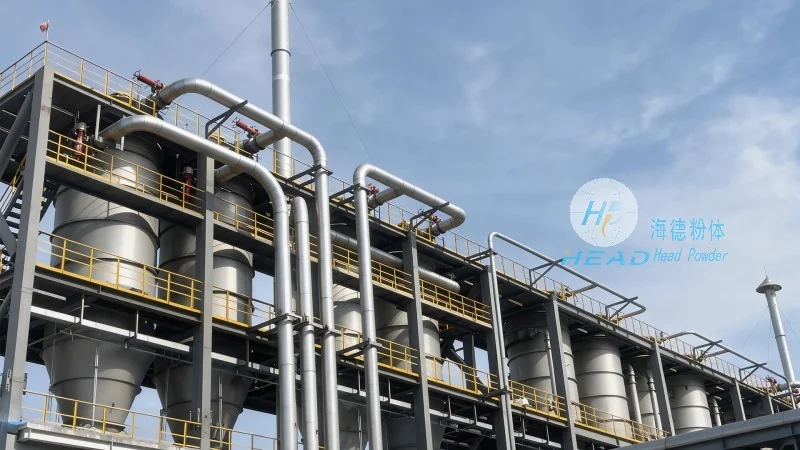
Efficiency and Speed: Pneumatic systems can transport biomass pellets over long distances with minimal time delays, as the material is moved continuously through the pipeline. This efficiency is particularly beneficial in large-scale operations where rapid material transfer is essential.
Environmental Friendliness: Unlike mechanical conveyors, pneumatic systems do not require physical contact with the material, reducing the risk of contamination and minimizing the need for cleaning and maintenance. Additionally, they can be designed to operate with low air consumption, contributing to energy efficiency and reduced environmental impact.
Flexibility and Versatility: Pneumatic conveying systems can be easily integrated into existing production lines and adapted to handle a wide range of biomass pellet sizes and densities. The ability to change pipeline configurations or adjust air flow rates allows for flexible material handling solutions tailored to specific operational needs.
Reduced Material Damage: The low-impact nature of pneumatic transport minimizes the risk of pellet breakage or degradation during handling. This is critical for biomass pellets, which are often used as fuel or feed and require preservation of their physical properties to maintain quality and performance.
Factors Influencing Pneumatic Conveying Performance
The effectiveness of pneumatic conveying for biomass pellets is influenced by several factors, including the material's physical properties, pipeline design, and system configuration. Key considerations include:
Material Properties: The density, moisture content, and particle size distribution of biomass pellets affect how they behave in the air stream. For example, pellets with higher moisture content may require additional drying steps before conveying to prevent clogging or corrosion in the system.
Pipeline Design: The diameter, length, and layout of the conveying pipeline are critical to system performance. Properly sized pipelines minimize pressure losses and ensure consistent material flow. The use of bends, elbows, and other fittings must be optimized to maintain the air-material mixture's stability and prevent material deposition.
Air Flow and Pressure: The velocity and pressure of the air stream are carefully controlled to achieve the desired conveying rate. Excessive air velocity can lead to increased energy consumption and potential damage to the pellets, while insufficient velocity may cause clogging or reduced throughput.
Applications in Industrial Settings
Pneumatic conveying for biomass pellets is widely used in various industrial applications, including:
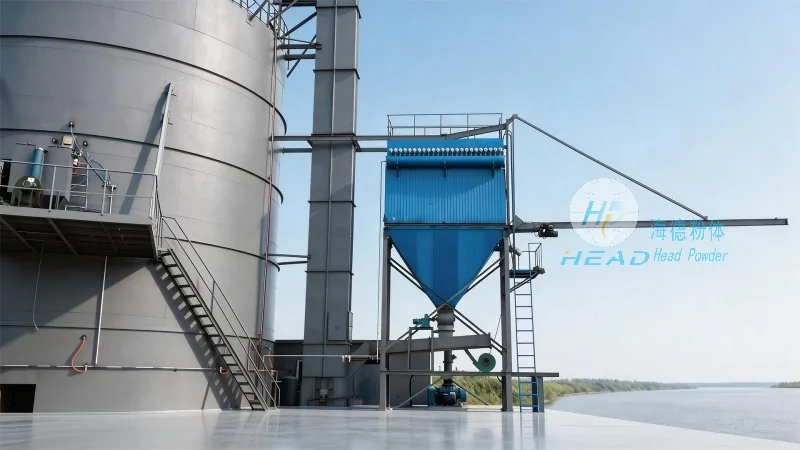
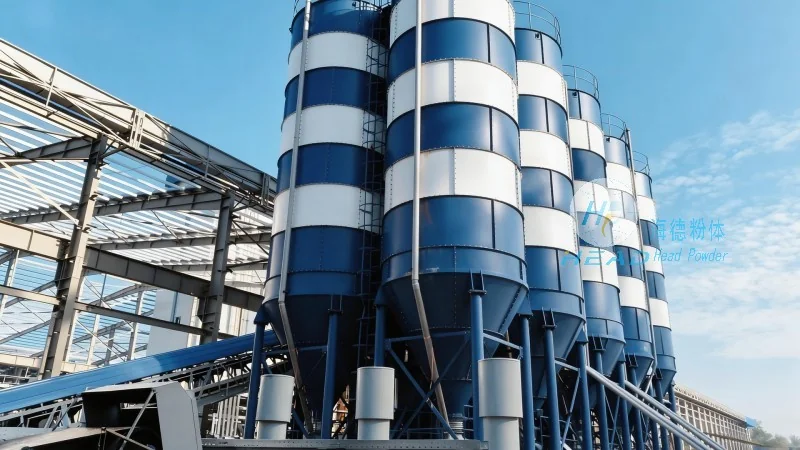
Biomass Energy Production: In power plants and biofuel facilities, pneumatic systems are used to transport biomass pellets from storage silos to boilers or reactors, ensuring a continuous fuel supply.
Animal Feed Manufacturing: Feed mills utilize pneumatic conveying to move biomass pellets from processing lines to packaging or storage areas, maintaining hygiene and efficiency in feed production.
Chemical Processing: Some chemical processes involve the handling of biomass-derived materials, where pneumatic conveying provides a clean and controlled method for material transport.
Conclusion
Pneumatic conveying represents a sophisticated and efficient solution for transporting biomass pellet materials. By understanding the working principles and characteristics of these systems, industries can optimize their material handling processes, enhance operational efficiency, and reduce environmental impact. As a leading provider in this field, Shandong HeadPowder Engineering Co., Ltd. specializes in designing and implementing customized pneumatic conveying solutions tailored to the unique needs of biomass processing applications.




